
Last updated November 16, 2026
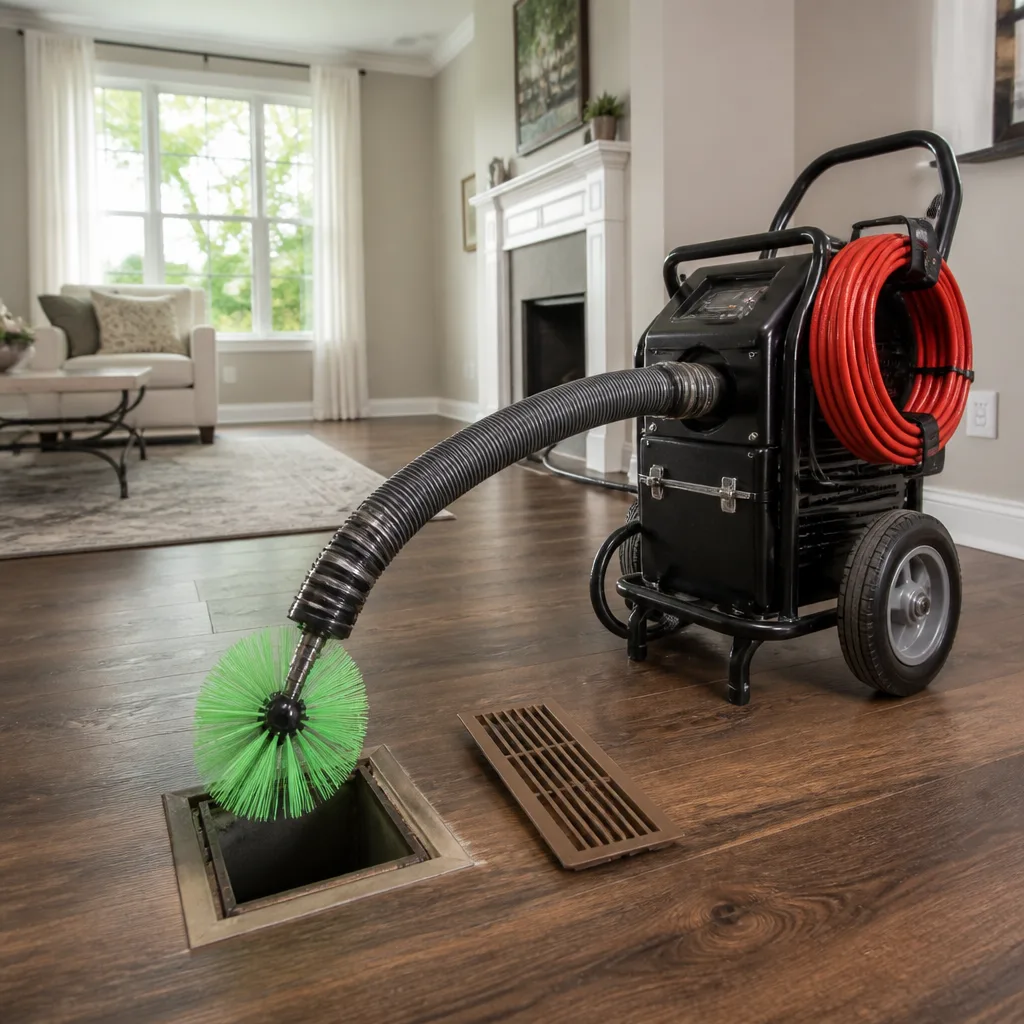 Whole-home duct cleaning
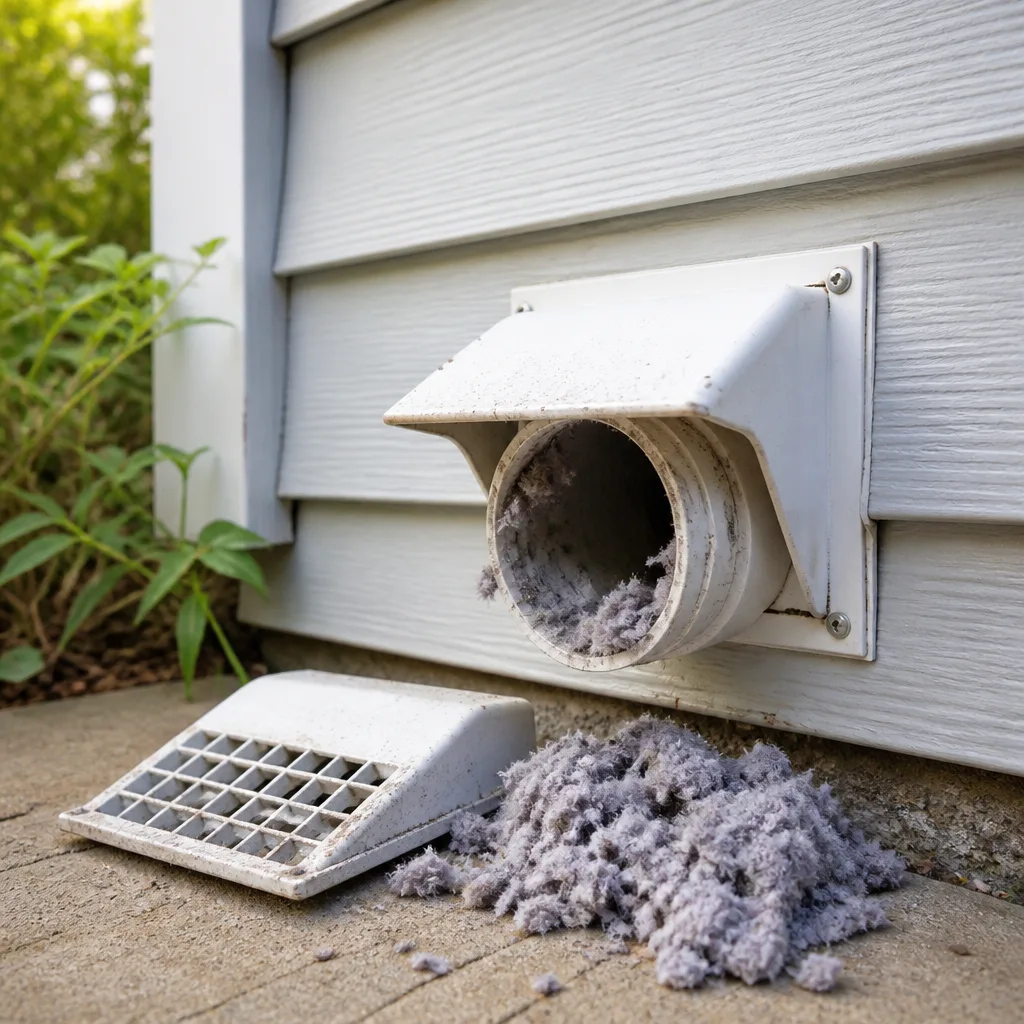 Dryer vent cleaning
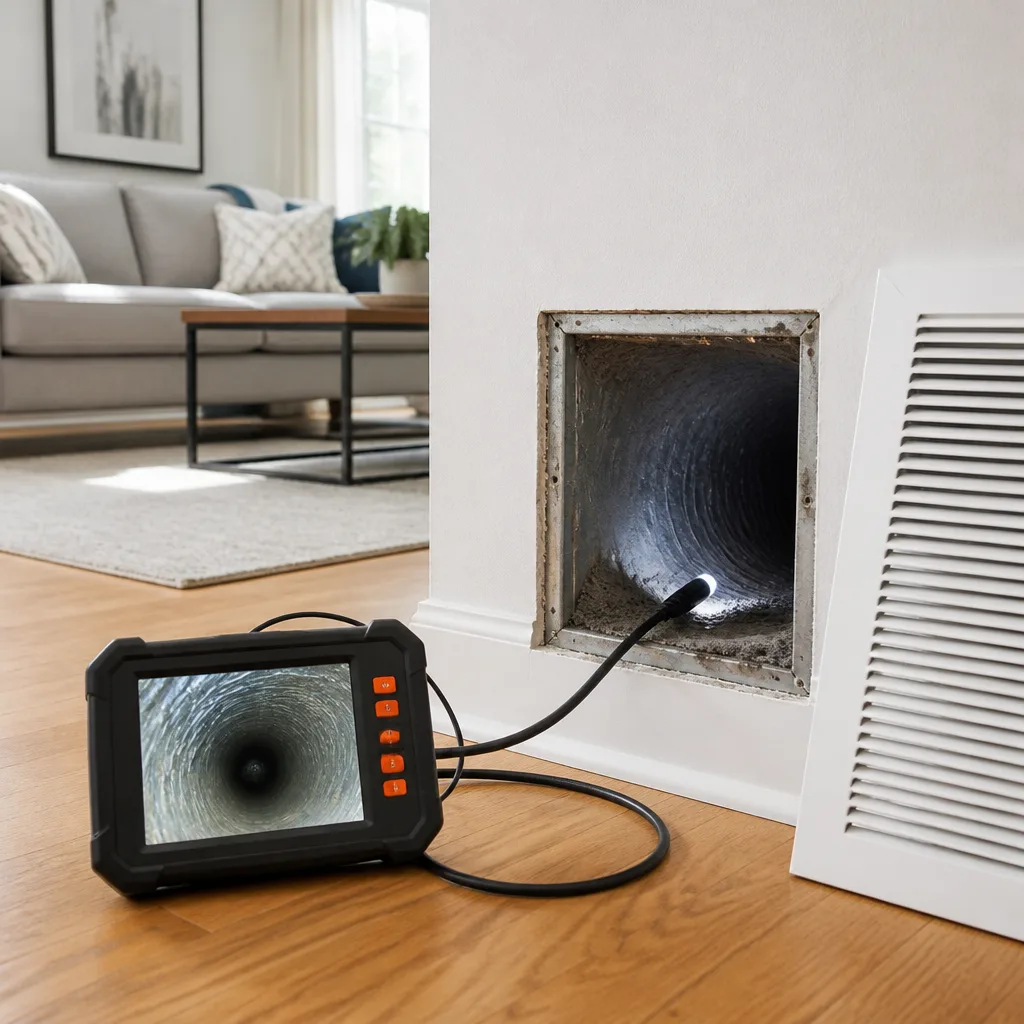 Camera inspection
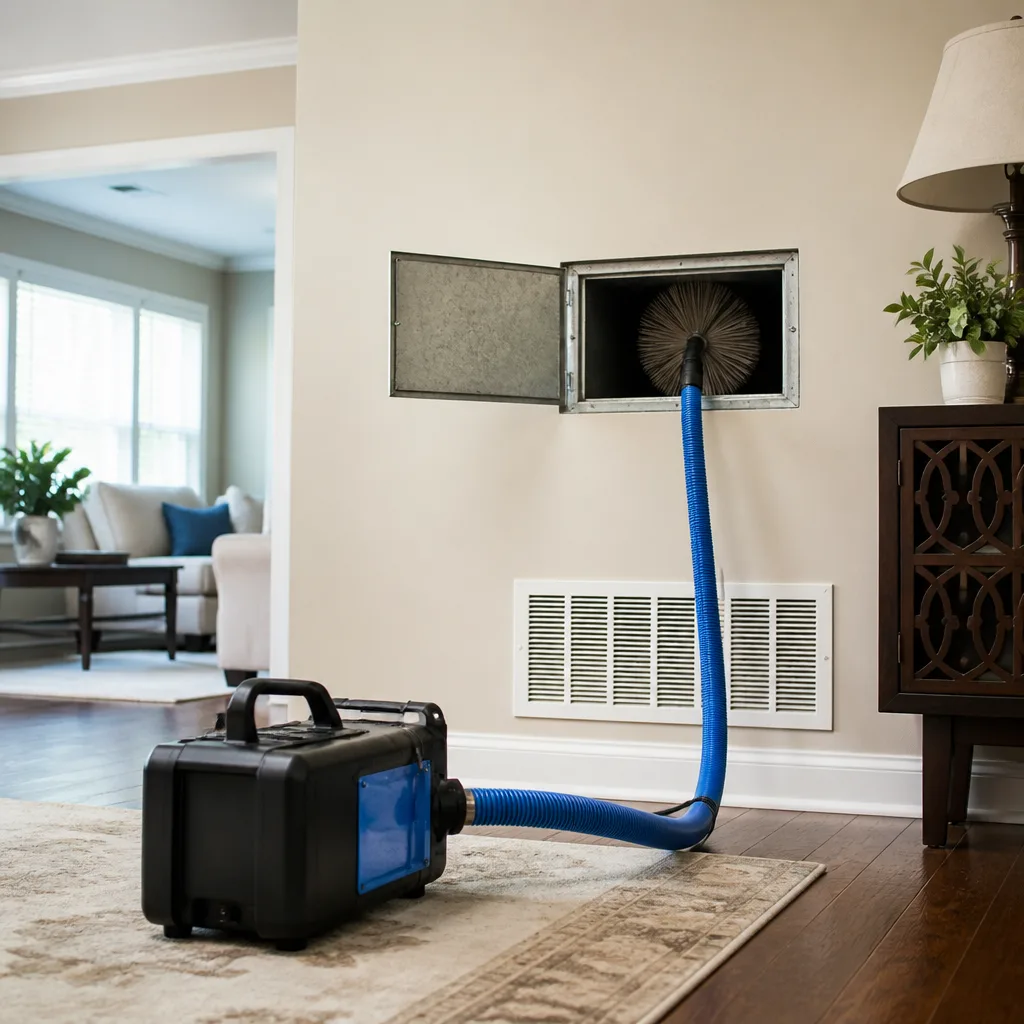 Sanitizing & deodorizing
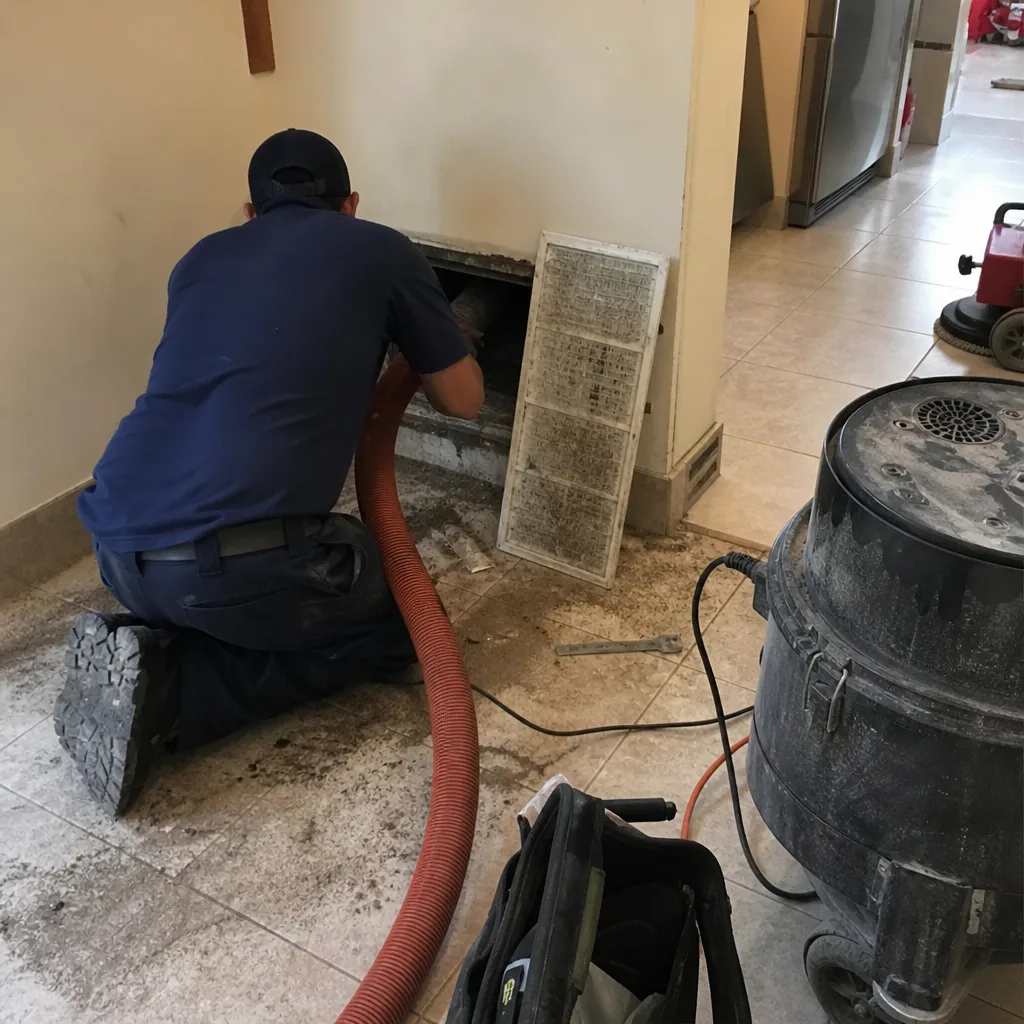
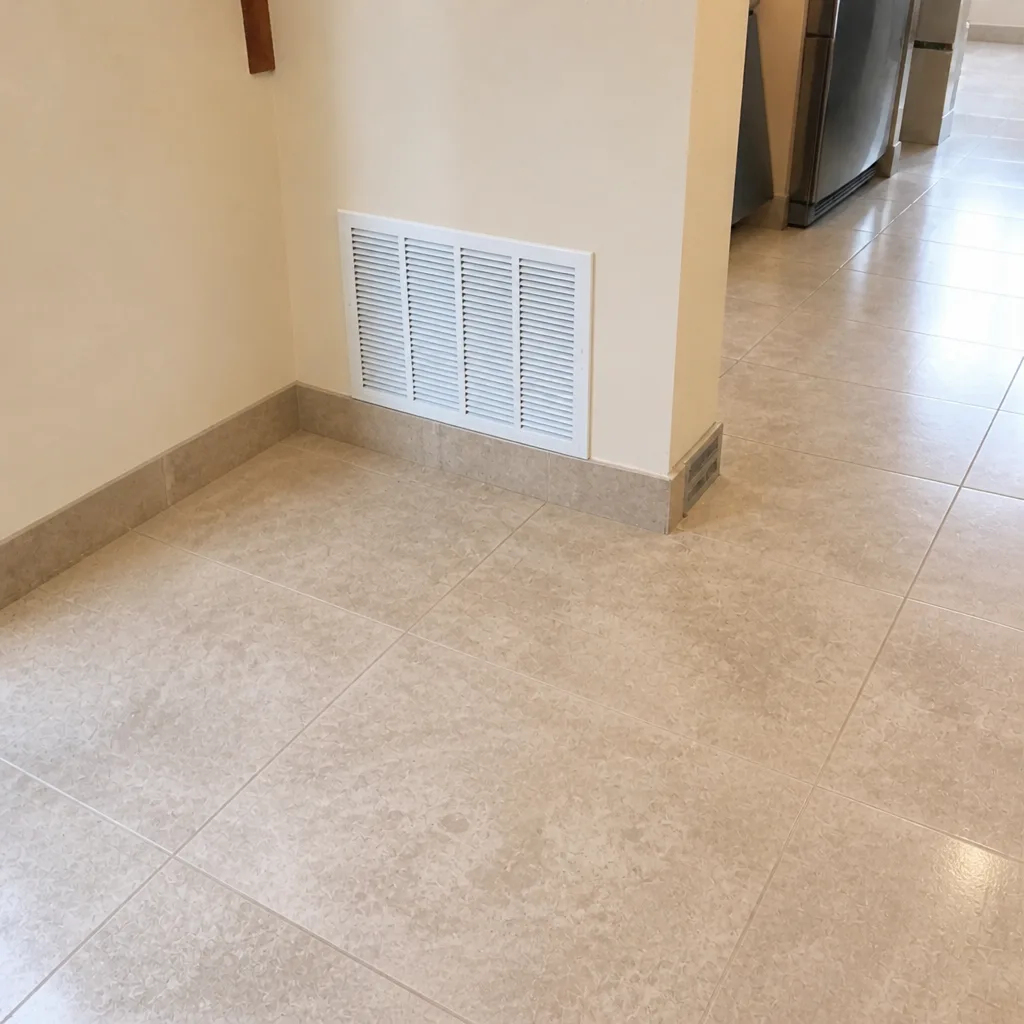
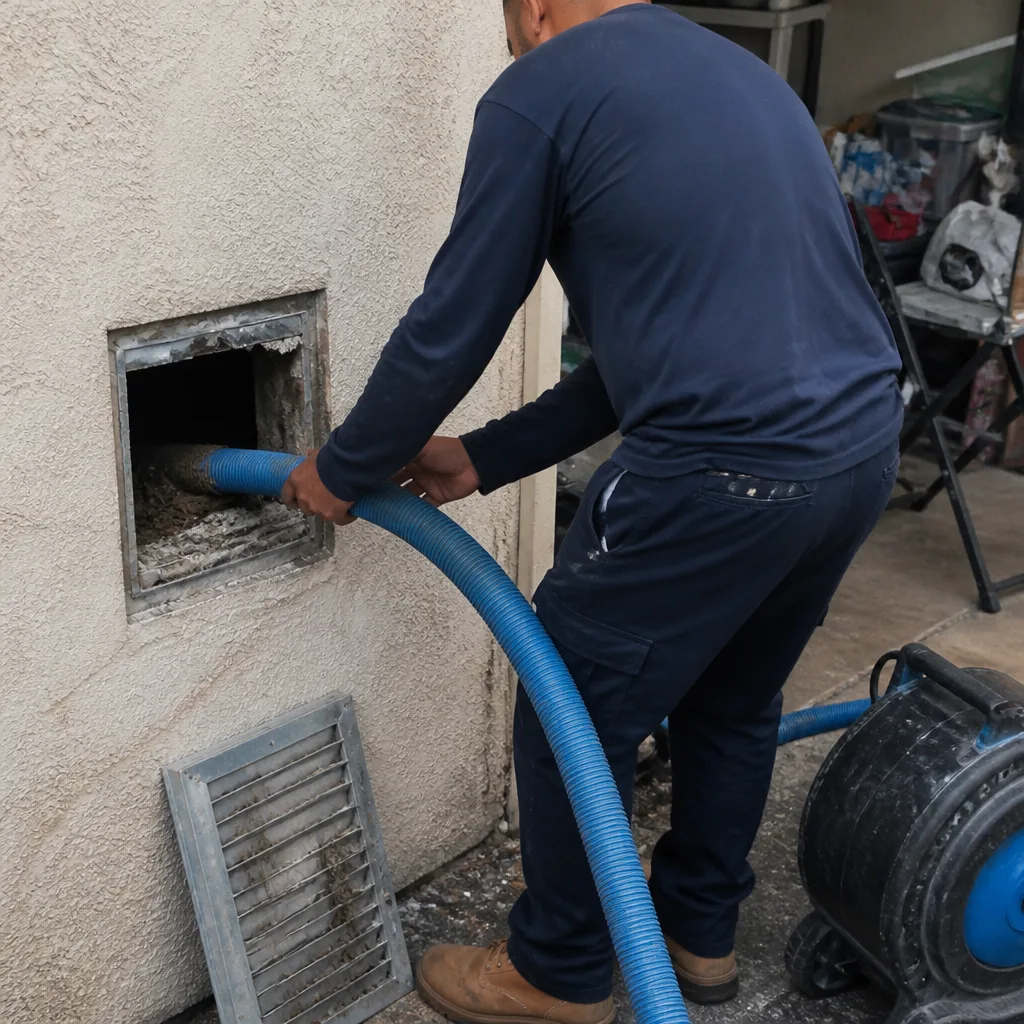
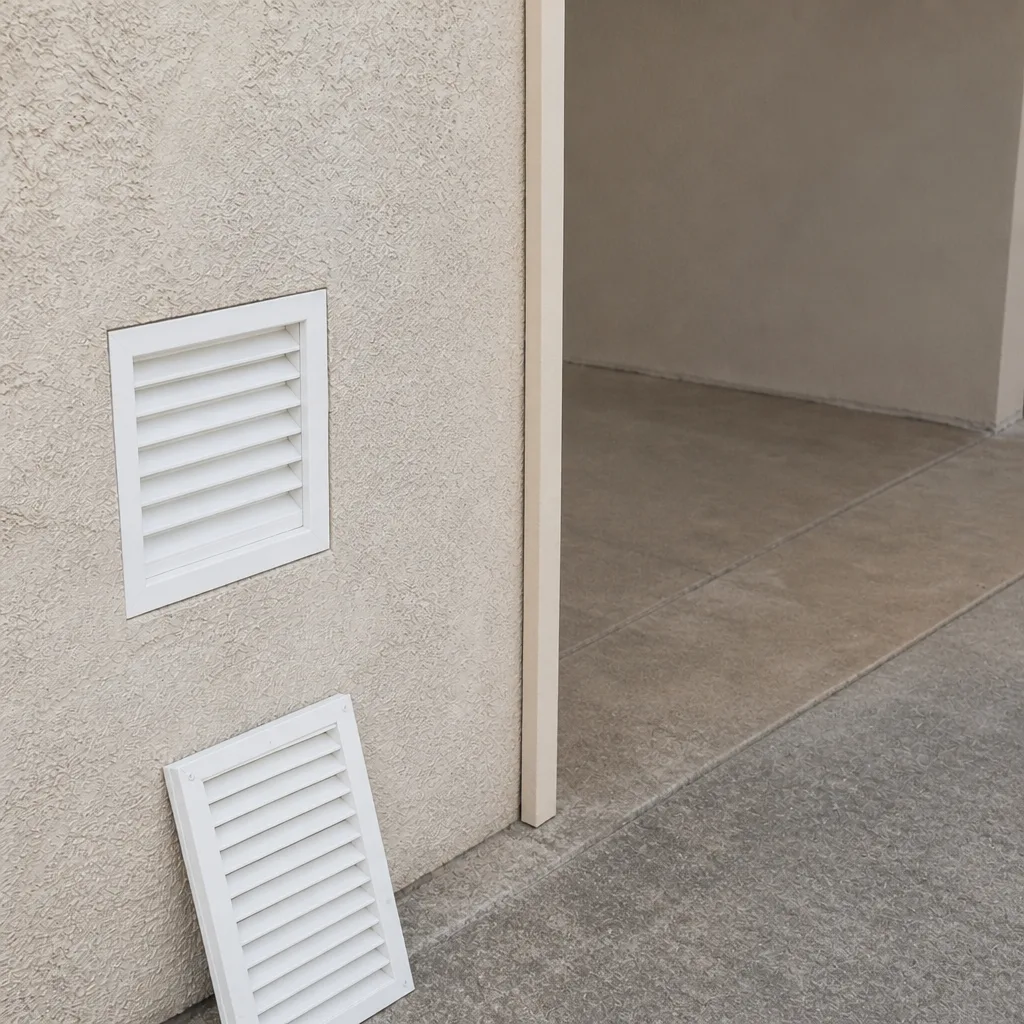
Whole-system duct and dryer vent check with before-and-after photos - you see exactly what came out of your vents
That "$99 whole-house special" is a bait ad - the real number appears once they are in your hallway, or the "clean" is a shop-vac at the register. We photograph the inside of your ducts before and after instead.
Seasonal Air Duct Cleaning Care for Davie: Year-Round Homeowner’s Guide
Most seasonal duct guides you’ll find online are written for places with four real seasons and a hard freeze. That advice doesn’t fit Davie. Here, the year splits into a long wet season from June through October, a dry stretch from November through February, and a spring pollen surge in between. Each one puts a different kind of stress on your duct system, and the wrong calendar leads homeowners to clean at the worst possible time. In this guide we’ll walk through how Davie’s climate actually affects the ducts above your ceiling, how to spot moisture problems early, how to set your thermostat and fan by season, and how to time professional work to the real risk calendar instead of an arbitrary anniversary date. Whether you own a home off Griffin Road or manage a small commercial space near Davie Road, the seasonal rhythm is the same.
Quick Answer
The riskiest window for air ducts in Davie is the June through October wet season, when high humidity and constant air conditioning create condensation inside poorly sealed ducts that can support mold growth in days rather than months. The dry season from November through February lets dust settle undisturbed in trunk lines because the AC runs less, and the March through May pollen surge pushes that accumulated dust and pollen into your living space. The practical takeaway: schedule a professional air duct cleaning in late spring before the wet season starts, inspect for moisture and seal gaps before June, and clean again or at minimum inspect after the wet season ends.
Styles & brands we work with
- Whole-home duct cleaning
- Dryer vent cleaning
- Camera inspection
- Sanitizing & deodorizing
Table of Contents
- Why Davie’s Two-Season Climate Changes Everything for Duct Care
- The Wet Season (June-October): Condensation and Moisture Intrusion
- The Dry Season (November-February): Dust That Settles and Stays
- Spring (March-May): The Pollen Surge and Indoor Allergy Spike
- How to Set Your Thermostat and Fan by Season
- Timing Professional Cleanings to Davie’s Real Risk Calendar
- What a Proper Seasonal Duct Visit Actually Involves
- Signs Your Ducts Need Attention Right Now
Why Davie’s Two-Season Climate Changes Everything for Duct Care
Duct systems in Davie live inside a building envelope that is air conditioned nearly every day of the year. That single fact drives most of the problems we see. In a colder climate, the heating season and cooling season alternate, and ducts get a stretch of low-humidity air moving through them. Here, the cooling system runs so continuously from late spring into fall that the ducts stay cold and damp on the inside for months at a stretch. When warm, humid outside air leaks into a duct that’s been chilled by the AC, moisture condenses on the interior surfaces. That’s the mechanism behind most of the musty smells and dark staining homeowners ask us about.
Davie sits in a part of South Florida where the ground stays warm and the air holds a lot of water vapor year-round. The wet season concentrates rainfall into the warmer half of the year, and the dry season quiets it down. Your duct system feels that shift. During the wet months, the enemy is incoming moisture. During the dry months, the enemy is accumulation, because the system runs less and dust that would normally get carried toward the filter just sits in the trunk lines and branch runs.
This is why a single annual cleaning appointment doesn’t quite fit Davie the way it fits a climate with one clear problem season. The service is the same, but the timing matters. Treat the calendar as a risk map: peak risk in the wet season, accumulation risk in the dry season, and an allergy spike in the spring. Understanding which window you’re in tells you whether to clean, inspect, or simply watch. Our team at Duct Cleaning Davie focuses only on duct and vent work, so the seasonal patterns below come from doing this trade every day in this climate, not from a national checklist.
The Wet Season (June-October): Condensation and Moisture Intrusion
The wet season is the period of highest risk for duct systems in Davie. From June through October, the outdoor air is loaded with moisture, your AC runs almost nonstop, and any gap in the duct system becomes an entry point for humid air that will condense on the cold interior surfaces. Inside a flex duct run, that condensation wets the inner liner. Once a liner stays damp, it can support mold growth in a matter of days rather than months, because the temperature and humidity are ideal for it. This is the single most important seasonal fact for a Davie homeowner to understand, and most generic duct guides skip it entirely.
The typical weak spots are the same ones we look at on every visit:
- Loose or deteriorated connections where flex duct meets a metal collar or plenum
- Torn or crushed flex duct sections, often behind knee walls or in tight attic runs
- Gaps at register boots where the duct meets the ceiling or floor opening
- Condensate line issues near the air handler that keep the surrounding area damp
- Cracked or poorly fitted access panels on the air handler cabinet
Early warning signs of moisture intrusion include a musty or earthy smell when the AC first comes on, visible water staining or dark patches on the outside of flex duct in the attic, damp insulation around the air handler, and condensation droplets on metal duct surfaces. If you notice any of these during the wet season, it’s worth having the system inspected before the problem spreads. Airflow that feels weak or uneven in certain rooms can also point to a crushed or disconnected run that’s letting humid attic air in.
During the wet season, a cleaning visit should always include a moisture check, not just a dust removal. Professional-grade equipment matters here because Abatement Technologies air filtration equipment captures dislodged debris before it re-enters your living space, and a Rotobrush or Nikro system lets us clean the full interior of the duct rather than just the surface near the register. If the inspection turns up damage, the same visit can address it, since we handle air duct repair alongside cleaning. Fighting condensation with a cleaning alone won’t solve the problem; sealing the entry point for humid air does.
The Dry Season (November-February): Dust That Settles and Stays
The dry season is quieter for your AC, and that’s exactly why it matters for duct care. From November through February, the cooling system runs less often, and the reduced runtime means less air moves through the ducts. Dust, pollen residue, and debris that would normally get pulled toward the filter during a busy cooling season instead settle in the trunk lines and branch runs and stay there, undisturbed. When the AC does kick on for an unseasonably warm afternoon, it can lift that settled material and distribute it through the house, which is why some Davie homeowners notice a puff of dust at the registers after a cool spell ends.
Think of the dry season as the accumulation window. It’s a good time to inspect, because less air is moving and it’s easier to see the condition of duct interiors and insulation. If a wet-season inspection flagged a moisture issue but you held off on repair, the dry months are a sensible window to get it fixed without the peak-season urgency. It’s also a reasonable time to have the system cleaned if it’s been a full year or more, so that accumulated dust doesn’t get pushed into the house when cooling season returns.
The dry season is also the best time to think about long-term filtration and humidity control. Once the duct work itself is clean and sealed, adding a better filter setup or a whole-home humidity solution reduces how much accumulates in the first place. Because we install Honeywell and Aprilaire indoor air quality products, that upgrade can happen in the same appointment as the cleaning and any necessary repair, rather than as a separate project weeks later. Dry-season work is preparation, not emergency response, and that’s the point.
Spring (March-May): The Pollen Surge and Indoor Allergy Spike
The spring pollen surge is one of the most underrated seasonal events for a Davie homeowner’s indoor air. From March through May, trees and grasses release pollen in volume, and that pollen lands on roofs, in attics through soffit vents, and around exterior equipment. When pollen works its way into a return air path or settles on the exterior of a duct system, it can end up inside the ducts. Once it’s there, it interacts with the dust that accumulated during the dry season. The combination is what makes allergy symptoms spike indoors in spring, often for people who feel fine during the rest of the year.
The pattern is consistent. A homeowner notices sneezing, itchy eyes, or congestion that gets worse when they’re home and better when they’re at work. They blame the outside air. In practice, the indoor spike often traces back to the duct system: accumulated dust from winter, new pollen from spring, and a return path that pulls both into the living space every time the AC runs. Because cooling season ramps up in the spring, the system starts moving more air exactly when the ducts contain more particulate matter.
The fix follows the same logic. The most important professional cleaning of the year for most Davie homes is scheduled in late spring, before the wet season begins. That cleans out the winter accumulation and the spring pollen in a single visit, and leaves the system as clean as possible heading into the highest-risk months. Cleaning gets at the source of the problem rather than masking it with air fresheners or a higher filter alone. If you’ve been dealing with spring allergies indoors for a few years running, the ducts are worth checking before you buy another over-the-counter remedy.
How to Set Your Thermostat and Fan by Season
You can reduce condensation risk without giving up comfort by adjusting how your system runs through the year. The goal is to keep the ducts from fluctuating between cold and warm surfaces, and to keep air moving enough that moisture doesn’t sit on interior surfaces. These are general operating settings, not a substitute for a licensed HVAC contractor’s advice on your specific system, but they cover the seasonal logic that applies to most homes in Davie.
- Wet season (June-October): keep the thermostat steady rather than turning the system off and on. A system that shuts down for hours and then restarts cools the ducts back down and creates a fresh condensation cycle each time. A consistent indoor temperature reduces those swings.
- Wet season fan setting: running the fan continuously can help keep air moving and reduce surface moisture on the duct interior, but it also pulls more humid air through the system if there are leaks. Fix the leaks first, then consider fan setting. Running the fan briefly after the cooling cycle ends helps dry the coil area.
- Dry season (November-February): letting the system run periodically, even on cooler days, keeps air moving through the ducts and reduces the chance of stale, settled material. Some homeowners set the fan to circulate for short periods to keep the air from stagnating.
- Spring (March-May): keep filters fresh, since pollen loads the filter faster this time of year. A clogged filter reduces airflow, raises duct pressure, and can worsen leaks at weak connections. Changing the filter more often in spring is cheap insurance.
- Year-round: seal duct leaks before worrying about fan settings. Condensation, energy loss, and pollen intrusion all get worse when air leaks exist, so any operating adjustment works better on a sealed system.
This is general operating guidance. If your thermostat or system has specific features, follow the manufacturer’s instructions, and have an HVAC contractor confirm any change that affects equipment operation. The seasonal logic above is about reducing condensation and keeping air moving, and it’s the same logic that guides the cleaning and repair side of the work.
Timing Professional Cleanings to Davie’s Real Risk Calendar
A calendar-year anniversary date is the wrong scheduling tool for duct work in Davie. What matters is where you sit in the wet-dry cycle and what kind of stress the system is under in each window. Here’s how we think about the year for a typical home, and how to build a workable schedule.
- Late spring (April-May): the primary cleaning window. Clear out winter accumulation and spring pollen before the wet season begins. This is the cleaning most homes need once a year.
- Early wet season (June): moisture inspection and leak sealing. Have the duct connections, boots, and air handler area checked for gaps and early signs of condensation before the heaviest rain.
- Mid wet season (July-September): respond to warning signs. A musty smell or visible moisture here means a professional visit, not a wait-and-see. Damage found can often be repaired on the same visit.
- Post wet season (October-November): a second inspection, especially if there was any moisture intrusion during the summer. Catching mold early is far cheaper than letting it spread into insulation and surrounding materials.
- Dry season (December-February): a good window for a cleaning if it’s been a year or more, and the best time for IAQ upgrades such as filtration and humidity control, since the work happens before peak-season demand.
In our experience, most Davie homes do well with one full cleaning a year timed to late spring, plus an inspection before and after the wet season. Homes with pets, recent renovations, or a history of moisture issues need more attention, and light-commercial spaces with higher occupancy may need a different cadence entirely. The right schedule is about the risk windows, not the advertising calendar. When you call us at Davie, we’ll talk through your system and the season and recommend a schedule that fits, with a flat price per system agreed before any work starts.
What a Proper Seasonal Duct Visit Actually Involves
A seasonal visit from a specialist looks different from a quick cosmetic sweep. It starts with an assessment of the whole system, including the parts you can’t see from a register. The equipment matters too: professional-grade Rotobrush and Nikro systems do the cleaning, and Abatement Technologies air filtration equipment captures dislodged contaminants before they re-enter your living space. A shop vac and a brush don’t get the same result, and that difference shows up the first time you turn the system on afterward. Because our team works only on ducts and vents, the same technicians who assess the system are trained specifically in this work, and our technicians have up to 8 years of experience with it.
Here’s the sequence we follow on a typical seasonal visit:
- Walk-through and questions. We ask about smells, uneven airflow, recent renovations, pets, and any moisture you’ve noticed, then confirm the scope and the flat price per system before work begins.
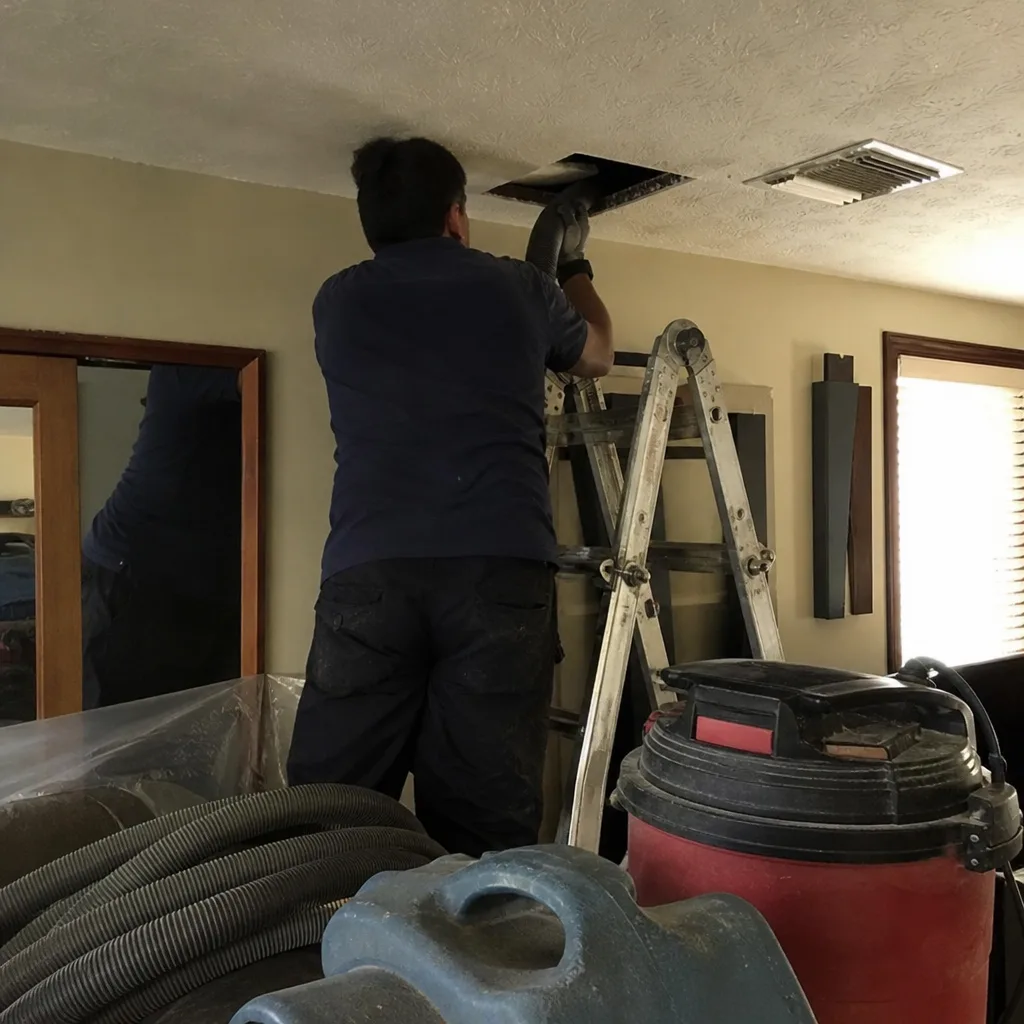
- System assessment. Registers, boots, trunk lines, branch runs, and the air handler area are checked for gaps, damage, condensation, and accumulated debris. Photos document what we find.
- Containment and cleaning. Negative pressure and high-efficiency filtration keep dislodged material from drifting into your living space. Every run gets cleaned, not just the ones closest to the registers.
- Repair if needed. Torn flex duct, loose connections, and crushed runs get fixed on the same visit, so there’s no handoff to a second contractor. This same-visit repair is one of the practical reasons to work with a duct specialist rather than a generalist.
- IAQ review. If it makes sense for the home, we discuss filtration and humidity control options, including Honeywell and Aprilaire products, and install them in the same appointment if you choose.
- Before-and-after photos. You see your own ducts, not stock images, so you know the work was actually done.
Dryer vent cleaning is kept as a separate, safety-focused service rather than a bundled upsell. If your dryer vent hasn’t been cleaned in a while, it’s worth treating as its own task, because a clogged dryer vent is a fire risk, not just an airflow issue. Book that alongside a duct visit if it’s convenient, or on its own. Either way, the price is set per job by a written estimate, agreed before work starts, with no per-vent pricing games.
Signs Your Ducts Need Attention Right Now
Not every issue waits for a seasonal window. Some signs mean you should call sooner rather than later. The list below is a quick diagnostic for homeowners and property managers in Davie, and it’s the same checklist we run through when someone calls before their usual cleaning date.
- Musty or earthy odor when the AC first turns on, which is a classic sign of moisture and possible microbial growth in the ducts
- Visible water staining, dark patches, or condensation on flex duct or around the air handler
- Uneven airflow between rooms that’s gotten worse over a season, which can point to a crushed or disconnected run
- A sudden increase in dust on surfaces after the system runs, even with a new filter
- Allergy symptoms that get worse indoors in spring or during the wet season rather than improving
- High energy bills alongside comfort complaints, which can signal leaking or damaged ducts
If you’re seeing several of these at once, it’s worth having the system assessed rather than guessing. A lot of the problems above can be diagnosed and resolved in a single visit, and catching moisture early prevents the kind of damage that spreads into insulation and surrounding materials. Duct cleaning in Davie isn’t about a cosmetic refresh. It’s about treating the source, and the seasonal checklist above is designed to help you do it at the right time. If you want a broader view of the service itself, our main air duct cleaning page covers the process in detail and explains what full-system cleaning involves.
Common Mistakes to Avoid
- Following a generic four-season calendar. Most online guides assume a hard winter, which doesn’t exist here. Following that schedule means cleaning at the wrong time of year and missing the real wet-season risk window entirely. Build your plan around Davie’s wet and dry seasons, not a national template.
- Skipping the post-wet-season inspection. The months right after October are exactly when hidden moisture damage becomes visible, and where mold can spread into insulation. A quick inspection after the wet season catches problems while they’re still small and cheap to fix.
- Cleaning before checking for leaks. A thorough cleaning on a leaking system still leaves humid air entering the ducts, and condensation returns quickly. Seal the gaps and damaged runs first, then clean, or do both on the same visit with a team that handles cleaning and repair together.
- Basing the schedule on a coupon or an annual reminder. A promotional postcard isn’t a risk calendar. In Davie, the calendar that matters is the wet season, the dry season, and the spring pollen surge. Schedule around those.
- Hiring whoever quotes the lowest price without asking about equipment. A shop vac and a brush aren’t a duct cleaning in the professional sense. Ask about the equipment and the process, and expect before-and-after photos of your own ducts so you can see what was done.
- Ignoring the dryer vent as a separate task. A dryer vent is a fire risk when it’s clogged, not just a clutter issue. Treat it as a standalone safety service on its own schedule rather than letting it slide because the ducts were just cleaned.
- Running the fan continuously to “dry things out” before fixing leaks. Continuous fan on a leaking system can pull more humid air into the ducts and make condensation worse. Fix the leaks and then decide on fan settings for the season.
If you’re not sure which of these applies to your home, call and ask. We’d rather talk through it than have you guess and repeat the same mistake for another year.
See the difference
 Before
 After
 Before
 After
 Before
 After
When to Call a Professional
Some jobs are worth scheduling, and some are worth calling about today. Call a professional if you smell a musty odor when the AC starts, if you see water staining or condensation on the ducts or around the air handler, or if airflow to certain rooms has clearly gotten worse. Call if spring allergies have become consistently worse indoors than outdoors, or if you’ve been living with dust buildup that a new filter doesn’t fix. If the system hasn’t been cleaned in over a year and you’re heading into summer in Davie, it’s worth getting on the schedule before the wet season rather than after. Duct Cleaning Davie offers free estimates in Davie. Call (833) 772-2601. We answer 24/7. Fast dispatch from 7am to 7pm, Sunday through Friday, and we’re closed Saturday. Our team will look at the system, explain what the season means for it, and give you a flat price per system agreed before work starts. If dryer vent cleaning is on your list, ask about that too; we treat it as its own safety-focused service. For detailed dryer vent information, see dryer vent cleaning.
Frequently Asked Questions
Most homes in Davie benefit from a full cleaning once a year, ideally in late spring before the wet season, plus an inspection after the wet season ends. Homes with pets, recent renovations, or a history of moisture issues may need more frequent work. The seasonal rhythm matters more than the exact interval, since the wet season and the dry season stress the system differently. Call (833) 772-2601 for a free estimate tailored to your system.
The wet season is worse because constant AC operation keeps the ducts cold while the outdoor air is loaded with moisture, so any leak lets humid air in and condensation forms on the interior surfaces within days. Once a flex duct liner stays damp, mold can develop quickly. The dry season is more about accumulation, since reduced AC runtime lets dust settle and stay in trunk lines. That’s why we recommend cleaning in late spring and inspecting after the wet season. Call (833) 772-2601 to schedule before the summer.
No, a shop vac can’t clean a duct system the way professional equipment can, and it can stir up debris that settles in your living space. Professional systems from Rotobrush and Nikro clean the full length of every run, and Abatement Technologies filtration captures dislodged material before it reaches the house. If you’re concerned about cost, the right comparison isn’t a shop vac versus a full cleaning, it’s a proper cleaning versus the same cleaning redone next year after the dust comes back. Call (833) 772-2601 for an exact quote, and estimates are free.
You should get before-and-after photos of your own ducts, not stock images, taken on site during the visit. The specialist should also walk you through what was found, including any damaged or disconnected runs, and confirm the flat price per system before starting. A written estimate sets the final price, so you’re not surprised by the invoice. Call (833) 772-2601 if you want to talk through how a visit is structured.
Some cheap quotes are based on per-vent pricing, a short surface sweep near the registers, or consumer-grade equipment that doesn’t reach the full system. The price looks low until the technician is on site and the real work turns into an add-on. We work on a flat price per system agreed before work starts, with no per-vent pricing, so the number you accept is the number you pay. Call (833) 772-2601 for an honest range for your system, and estimates are free.
Dryer vent cleaning runs on its own schedule and should be treated as a safety service, not an add-on to a duct cleaning. A clogged dryer vent is a fire risk regardless of how clean your HVAC ducts are. You can book it alongside a duct visit for convenience, or on its own, with a flat price set per job by a written estimate. Call (833) 772-2601 to schedule one in Davie.
The Bottom Line
Duct care in Davie follows a different calendar than a generic national guide. The wet season from June through October is the real danger period, when condensation in poorly sealed flex duct can support mold growth in days rather than months. The dry season from November through February is the accumulation window, when reduced AC runtime lets dust settle undisturbed. Spring, from March through May, brings the pollen surge that turns accumulated dust into an indoor allergy spike. The practical playbook: clean in late spring, inspect and seal before the wet season, and inspect again after it ends. Work with professional equipment, get a flat price per system before work starts, and look at before-and-after photos of your own ducts. If you’re ready to build a schedule around Davie’s real risk windows, dryer vent cleaning can be added to the same visit, and our team is glad to talk it through.
Call (833) 772-2601 for a free estimate. We answer 24/7. Fast dispatch from 7am to 7pm, Sunday through Friday, and we’re closed Saturday. Whether you own a home near Davie Road or manage a light-commercial space in town, we’ll assess the system, explain the seasonal picture for your specific setup, and set a written estimate before any work begins.
Written by the team at Duct Cleaning Davie.