
Last updated November 16, 2026
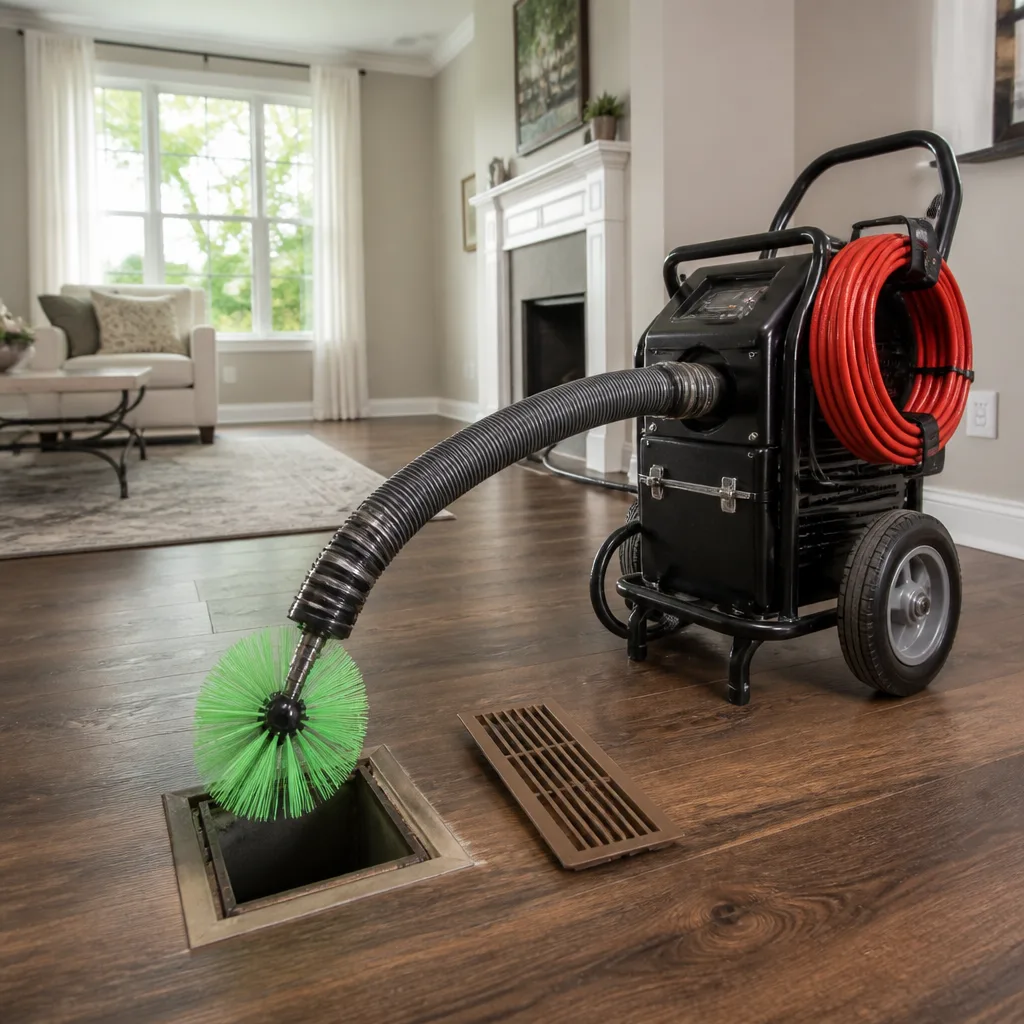 Whole-home duct cleaning
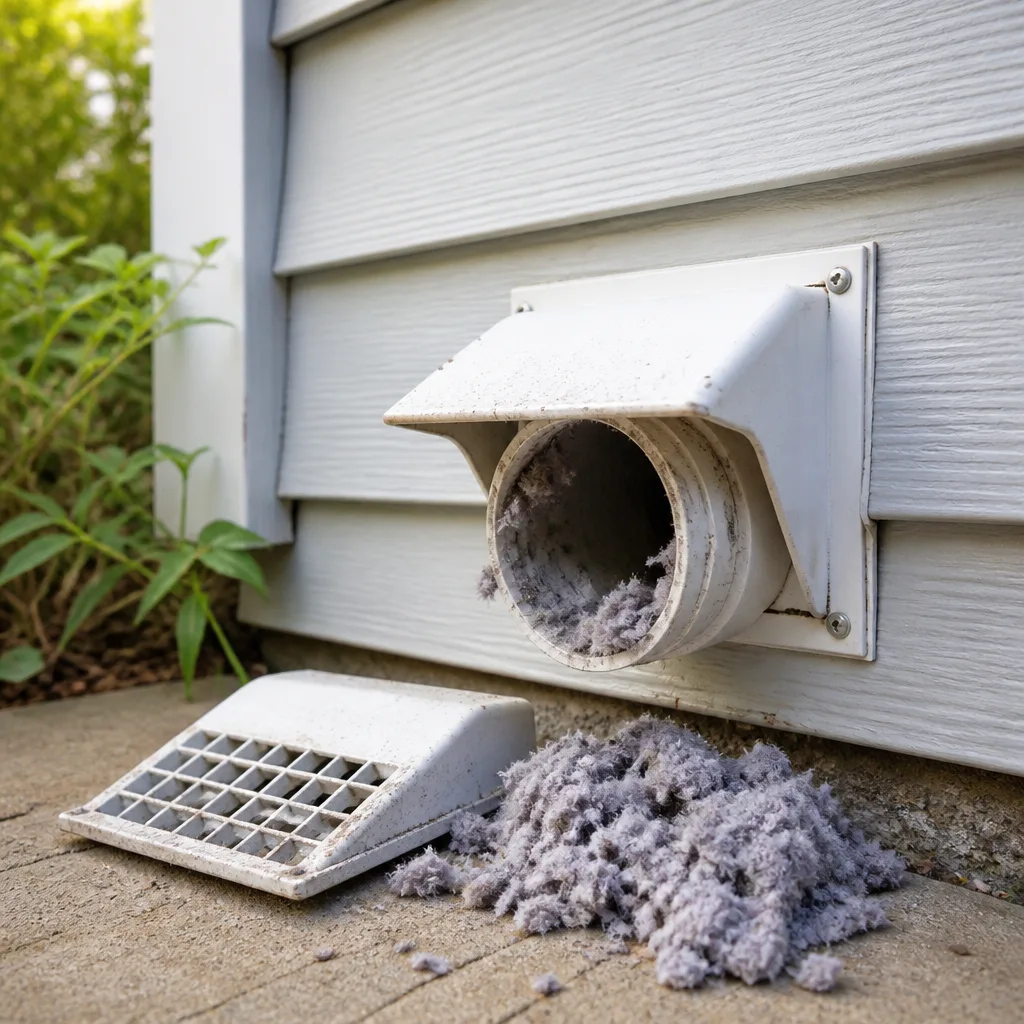 Dryer vent cleaning
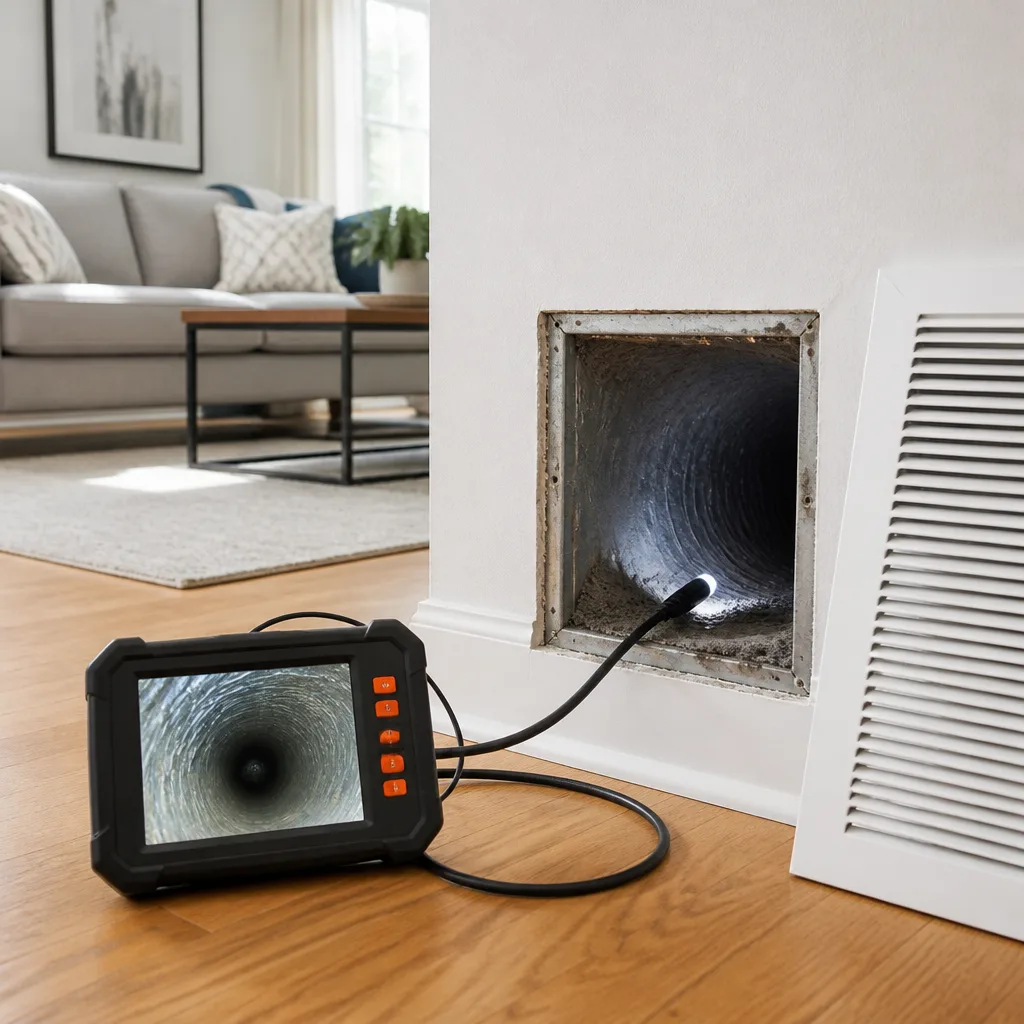 Camera inspection
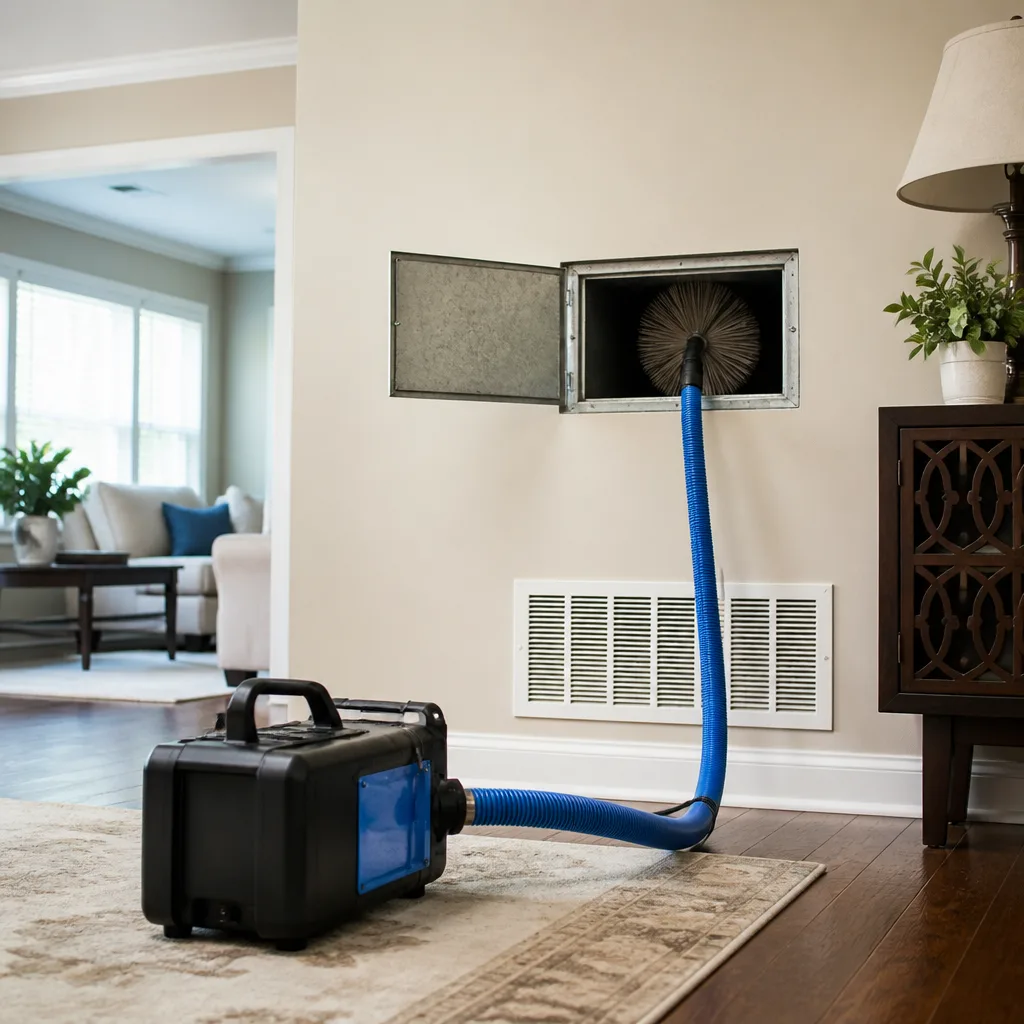 Sanitizing & deodorizing
Whole-system duct and dryer vent check with before-and-after photos - you see exactly what came out of your vents
That "$99 whole-house special" is a bait ad - the real number appears once they are in your hallway, or the "clean" is a shop-vac at the register. We photograph the inside of your ducts before and after instead.
DIY vs Professional Air Duct Cleaning: The Davie Homeowner’s Decision Guide
Most homeowners assume duct cleaning is a cleaning task, the same category as mopping a floor or scrubbing a shower, and that a rented machine or a shop vac could handle it with enough patience. The assumption is understandable. It is also wrong, and the reason has nothing to do with effort. A household vacuum pulls a small stream of air at low pressure. The equipment needed to move debris out of a trunk line pulls two to four thousand cubic feet per minute through a sealed negative-pressure system. The power gap is not a matter of degree. It is a different category of tool entirely. This guide explains what a real duct cleaning job actually involves in Davie, what you can reasonably handle yourself, and when paying a professional produces a return you can measure in airflow, energy bills, and cleaner air.
Quick Answer
Professional air duct cleaning is worth it when your system shows real symptoms: visible dust blowing from registers, musty odors when the air handler runs, uneven airflow between rooms, or a recent renovation that pushed drywall dust through the return. DIY duct cleaning with a shop vac does not remove source contamination from trunk lines because no consumer vacuum generates the negative pressure required. You can and should clean registers, change filters, and inspect your dryer vent yourself. Anything beyond that needs professional equipment.
Styles & brands we work with
- Whole-home duct cleaning
- Dryer vent cleaning
- Camera inspection
- Sanitizing & deodorizing
Table of Contents
- The CFM Reality: Why a Shop Vac Cannot Clean a Duct System
- What You Can Legitimately Do Yourself
- The Contamination-Spreading Risk of Household Vacuums
- Flex Duct Damage and Warranty Problems from DIY Brushing
- Cost-Benefit: When Professional Cleaning Pays Back
- When Duct Cleaning Is Not the Right Next Step
- Davie-Specific Considerations: Humidity, New Construction, and Older Homes
- What a Professional Air Duct Cleaning Appointment Actually Involves
The CFM Reality: Why a Shop Vac Cannot Clean a Duct System
A shop vac moves somewhere in the range of 60 to 80 cubic feet per minute of air. Professional negative-air duct cleaning equipment moves 2,000 to 4,000 CFM. That is the entire argument in one sentence. Cleaning a duct system is not a brushing job with suction attached; it is a pressure-management job. You have to seal the system, connect a high-capacity vacuum to the main trunk, pull the entire duct run into negative pressure, and then agitate the interior surfaces with a rotating brush or air whip so dislodged debris travels toward the vacuum rather than into the living space.
Consumer equipment fails at every stage of that process. A shop vac cannot pull the volume of air needed to keep contamination moving through a 10-inch trunk line. It cannot maintain static pressure across a sealed system. It has no way to capture what it dislodges before it re-enters the room. Attach a brush to the end of a shop-vac hose and what you have is a device that loosens dust in one room and drops it in the next.
Professional-grade machines are built for this specific pressure environment. Rotobrush systems combine a high-velocity vacuum with a driven rotary brush designed to travel inside the ductwork itself. Nikro equipment is built for commercial-scale source removal, and it is the same category of machine used on industrial duct jobs. Abatement Technologies air filtration units run alongside the cleaning process to capture airborne contaminants before they settle back into living spaces. We use all three on jobs throughout Davie because each one solves a piece of the same problem: extracting debris at the source, not redistributing it.
Here is what true source removal requires, in sequence:
- System inspection to determine duct material, layout, and where the contamination concentrates.
- Sealing the system at registers and at the air handler so the whole assembly can be pulled into negative pressure.
- Connecting high-capacity vacuum equipment to the main trunk, generating 2,000 to 4,000 CFM of airflow.
- Mechanical agitation of every branch line with rotary brushes or air whips sized to the duct.
- HEPA filtration of exhaust air so dislodged debris is captured, not recirculated.
- Verification with before-and-after photos and a visual check of each run.
Steps two, three, four, and five are where DIY stops being possible. No consumer-available vacuum reaches the threshold.
What You Can Legitimately Do Yourself
DIY duct work is not all-or-nothing. Several components of indoor air quality genuinely belong in the homeowner’s hands, and we tell customers in Davie the same thing every time: do these yourself, and save your money for the work that actually requires equipment you do not own.
Register and grille cleaning. Pop the floor and ceiling registers off with a screwdriver, wash them in a sink or hose them off outside, dry them thoroughly, and put them back. This removes surface dust and is a legitimate improvement. It does not touch the duct behind the register.
Filter changes. This is the highest-return maintenance item on your system. A clogged filter restricts airflow, drives up static pressure, strains the blower, and pushes dust into the return. Check the filter monthly during heavy-use months and change it on the manufacturer’s recommended interval, or sooner if it looks loaded. Use the correct MERV rating for your system; higher is not always better if the blower is not rated for it.
Dryer vent visual inspection. Disconnect the dryer, look inside the vent line with a flashlight, and check the exterior termination. If you see lint accumulation or the exterior flap does not open freely, that vent needs professional cleaning. Dryer vents are a fire risk, not an airflow nuisance, and the accumulation happens faster in humid climates than most people expect.
Air handler coil access check. With the power off at the breaker, look at the evaporator coil and the drain pan. If you see a mat of dust or biological growth on the coil, that is a factor affecting airflow and air quality, and it needs professional attention. Do not attempt to clean a coil yourself; the fins are fragile and the refrigerant lines behind them are not something to disturb.
That is the realistic self-service list. It is short, and it is deliberately short.
The Contamination-Spreading Risk of Household Vacuums
Here is a scenario that happens more often than it should. A homeowner notices dust on the registers, buys a shop vac and a flexible brush attachment, feeds it into the duct, and runs it for an hour. The result is not a cleaner system. It is a system where contamination has been deliberately loosened and left suspended, ready to blow back into every room the next time the heat or AC runs.
The mechanics are straightforward. A household vacuum has poor filtration relative to its airflow. When you disturb settled dust inside a duct, the vacuum captures some of it and sends the rest straight through its exhaust and into the room you are standing in. Many shop vacs ship with basic filters rated for sawdust and debris, not for fine particulate. If the machine is running inside the house with the exhaust pointed into the room, you are effectively atomizing the contamination you are trying to remove.
There is a second issue most people do not anticipate: the debris in a residential duct system is not uniform. It includes settled dust, skin cells, pet dander, pollen that has been pulled in from outside, and in older homes, potentially construction debris and biological growth in the dampest sections of the run. Agitating this material without a sealed negative-pressure system and HEPA-level exhaust filtration concentrates it in the breathing zone. In our experience, this is the single most common way a homeowner turns a maintenance question into a health concern.
Professional systems avoid the problem by design. The Abatement Technologies filtration equipment we run during service captures dislodged material before it can re-enter living spaces. That is the entire purpose of the machine, and it is the reason a real cleaning job does not leave you with a dust cloud hanging in the hallway.
Flex Duct Damage and Warranty Problems from DIY Brushing
Flex duct is the most common duct material in Florida residential construction, and it is also the most fragile. It consists of an inner liner, usually a wire helix wrapped in a thin polymer membrane, insulation around it, and an outer jacket. The inner liner is not built to take abrasion from a spinning brush driven by hand into a run without the guidance of a professional system. Catch the brush on the wire helix inside a flex run and you will tear the liner, collapse the wire, or disconnect the run from its fitting at the boot or the plenum.
When that happens, the consequences are not cosmetic. A torn inner liner dumps insulation fibers into the air stream. A collapsed run cuts airflow to a room by half or more. A disconnected run sends conditioned air into the attic or the joist bay instead of into the living space. Any of these can show up as an airflow problem weeks later, after the connection point has been buried behind drywall or insulation again.
Manufacturer warranties matter here too. HVAC equipment warranties are typically written to exclude damage from improper cleaning, and duct system components have similar language. If a technician later finds a torn flex liner or a damaged plenum connection and the cause traces back to a DIY attempt, the warranty conversation is not one you want to have. The repair cost to replace a damaged flex run, plus the cost of tracing a hidden disconnect, can easily exceed the price of professional cleaning in the first place.
The safest way to know whether your duct system can even tolerate mechanical agitation is to have it inspected by someone who looks inside ductwork every day. In our experience across Davie homes, older flexible runs installed during previous renovations are the most vulnerable to this kind of damage.
Cost-Benefit: When Professional Cleaning Pays Back
The honest answer is that professional duct cleaning is worth the money in specific situations and not worth the money in others. Rather than push the service at every homeowner, it makes more sense to explain which conditions justify the cost.
Professional cleaning produces real return when:
- The home has visibly dusty registers that accumulate dust within days of cleaning.
- Airflow is noticeably uneven between rooms, particularly in two-story Davie homes where upstairs rooms run warm.
- A musty or stale odor appears when the system runs, suggesting moisture or biological growth in the ductwork.
- The home recently went through renovation, and drywall dust or sawdust entered the return system.
- A new HVAC system was installed, and the existing ductwork needs to be verified before it is connected.
- Occupants have allergies or respiratory conditions and the home has pets.
- The home has been occupied for many years without a documented duct cleaning.
Professional cleaning does not produce return when:
- The duct system is new or recently cleaned and the home is not showing symptoms.
- Dust is accumulating because the filter is being neglected; fix the filter first, then re-evaluate.
- Airflow problems trace to a failing blower, a duct design issue, or a blocked coil. Cleaning will not fix a mechanical problem.
The reason we emphasize source removal over cosmetic cleaning is that ongoing filter changes and duct cleaning together solve the recurring-dust problem. Ongoing filter neglect prevents any amount of cleaning from helping.
When Duct Cleaning Is Not the Right Next Step
Some calls we get are better answered with a different recommendation. If your problem is airflow, and the duct system is clean, the fix is not cleaning. It is diagnosis.
If the system is clean and balanced, cleaning will not improve it. Airflow problems come from a range of sources: an undersized return, a failing blower motor, a clogged evaporator coil, or duct design that never matched the home’s actual load. Any of these needs an HVAC diagnosis, and a cleaning will not resolve them.
If the issue is a coil or blower problem, cleaning is not the answer. A dusty coil reduces capacity and drives up bills, but the fix is coil cleaning, not duct cleaning. We tell Davie homeowners this directly because it is not in our scope; our work is ducts, vents, and indoor air quality accessories, and a coil problem belongs with an HVAC contractor.
If the concern is biological growth, cleaning alone is not enough. Moisture inside ductwork is a symptom of a source problem: a leak, an improperly sealed air handler, or condensation that never drains. Cleaning removes the growth, but if the source is not fixed, it will return.
If there is no symptom at all, wait. A clean, well-maintained system in a Davie home that changes filters regularly and has no pets and no recent renovation does not need annual duct cleaning. That is not a service decision, it is a diagnostic one, and the right call is sometimes to hold off.
When we do recommend cleaning, it is because we have looked inside the ducts and can point to what needs to come out. That inspection is free with our estimate.
Davie-Specific Considerations: Humidity, New Construction, and Older Homes
Davie sits in a subtropical climate, and that shapes what a duct system deals with year-round. Humidity is high for most of the year, and air-conditioning systems run more hours than in most of the country. That combination raises the stakes on a few specific points.
Moisture and condensation inside ducts. In a humid climate, duct systems that are not well sealed pick up moisture, and moisture plus organic dust is what biological growth needs. Flex duct running through unconditioned attic space is the most common problem spot. If you notice a musty smell when the system runs, that is the earliest warning.
Construction dust from new builds and renovations. A significant share of Davie homes are newer construction or have had additions and renovations. Drywall dust, sawdust, and construction debris find their way into return systems during that work, and the accumulation does not clear itself. Homes that have gone through a renovation in the last few years are one of the most common cases where duct cleaning produces obvious results.
Older homes with original flex runs. Homes built decades ago frequently have flex duct that has aged through many summers of attic heat. The liner gets brittle, the wire helix loosens, and the run can begin to sag or disconnect. That is exactly the kind of system a shop vac and brush attachment will damage. It is also the case where professional inspection is most valuable, since it determines whether the system needs cleaning or repair before it needs anything else.
We are Duct Cleaning Davie, and every job we take is within our specialty: ducts, vents, and indoor air quality. If you want to talk through what your system needs, our air duct cleaning page lays out the process in more detail. If a dryer vent is on your mind, dryer vent cleaning is handled as a separate safety-focused service, not as an add-on. And if the symptom is musty air or uneven airflow in a home anywhere in Davie, that is the call that gets the process started. All of our technicians have up to 8 years of experience with this specific work.
What a Professional Air Duct Cleaning Appointment Actually Involves
Understanding the sequence makes the difference between professional cleaning and DIY attempts obvious. A real cleaning appointment is methodical, and you should expect to see each step happen in your home.
- Inspection of the system. The technician identifies duct material, layout, contamination level, and any visible damage before any equipment goes in.
- Protection of the home. Floor coverings, corner guards, and clean setup around the work areas.
- Connection of the high-capacity vacuum. A Rotobrush or Nikro system is connected to the main trunk, and the system is sealed to establish negative pressure throughout the runs.
- Air filtration setup. An Abatement Technologies filtration unit is positioned to capture any dislodged material in the work zone.
- Mechanical agitation of every branch line. Brushes and air whips driven to the full length of each run.
- Cleaning of the air handler cabinet, supply plenum, and return. The components that gravity pulls contamination toward are not skipped.
- Restoration of detected damage. If a flex liner is torn or a connection has failed, the same team that found it repairs it in the same visit, which is why we offer air duct cleaning as an integrated service rather than a clean-only job.
- Optional IAQ upgrades. We install Honeywell and Aprilaire filtration and humidity-control equipment, and Guardsman components, so filtration efficiency can be improved on the same visit rather than scheduled separately.
- Before-and-after photos and a walkthrough. You see evidence of what came out, not a verbal assurance that work happened.
- One flat price per system. The price is agreed before work starts, the scope is stated in the written estimate, and no per-vent pricing applies.
The total job is not quick, and it is not supposed to be. A proper cleaning of a full residential system takes most of a working day, and the equipment involved is why.
Common Mistakes to Avoid
- Using a shop vac with a brush attachment in a duct system. Loosening dust without sealed negative pressure and HEPA filtration pushes contamination into the air you are breathing.
- Assuming new construction means clean ducts. In Davie, homes with recent renovations or new construction are the most likely to hold drywall dust and construction debris in the return system.
- Skipping filter changes as a “cost saver.” Neglecting the filter is the fastest way to load a duct system with dust, and it raises static pressure on the blower.
- Brushing flex duct without knowing its condition. A cracked or aged flex run can be torn apart by a brush, and the damage is not obvious until airflow drops in a specific room.
- Treating dryer vent cleaning as an optional add-on. A clogged dryer vent is a fire risk and an airflow failure, and a visual inspection should be on the maintenance calendar independent of any air duct work.
- Believing one cleaning fixes everything. Filter changes and register cleaning remain on the homeowner’s list; duct cleaning handles the trunk and branch lines but does not eliminate ongoing maintenance.
- Choosing the cheapest quote without asking about equipment. A quote based on a shop vac and a homeowner’s day of effort is not the same job as a quote based on truck-mounted or commercial-grade negative-air equipment with HEPA filtration.
See the difference
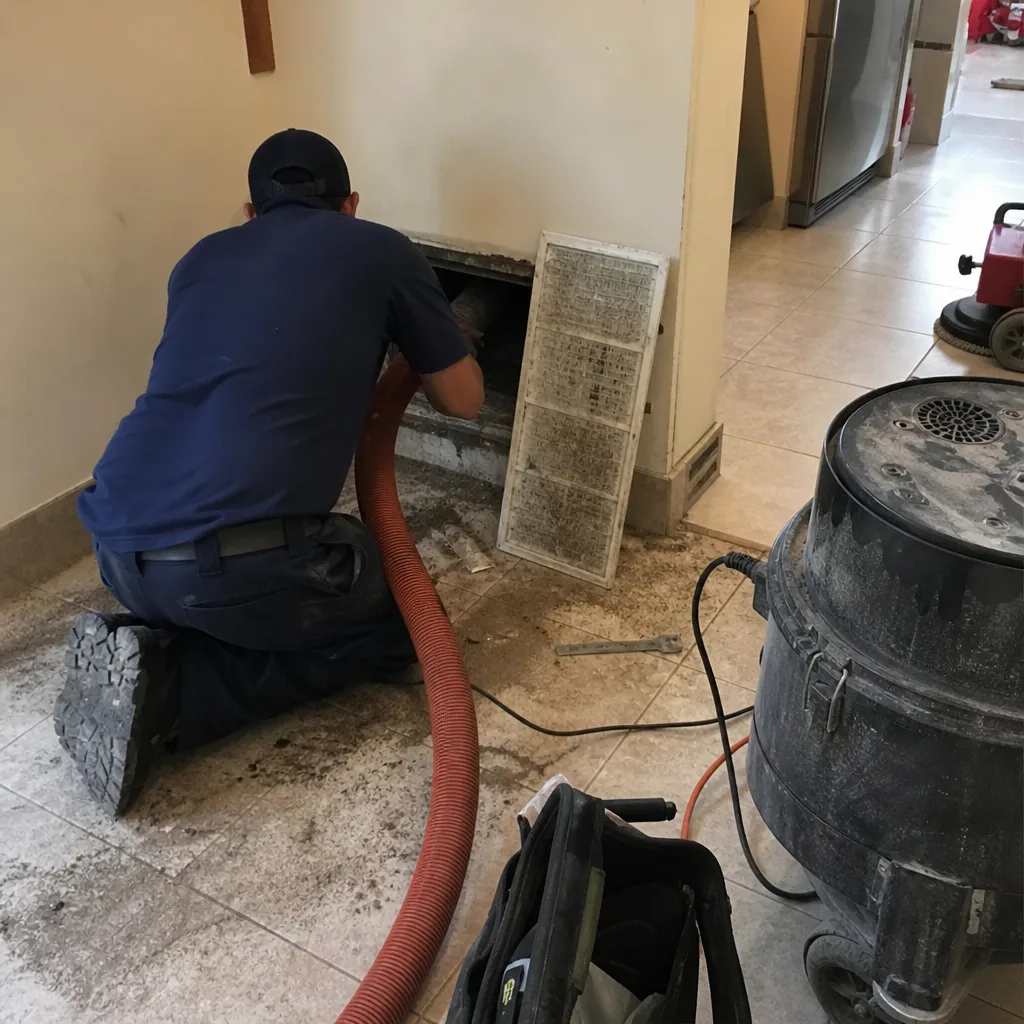 Before
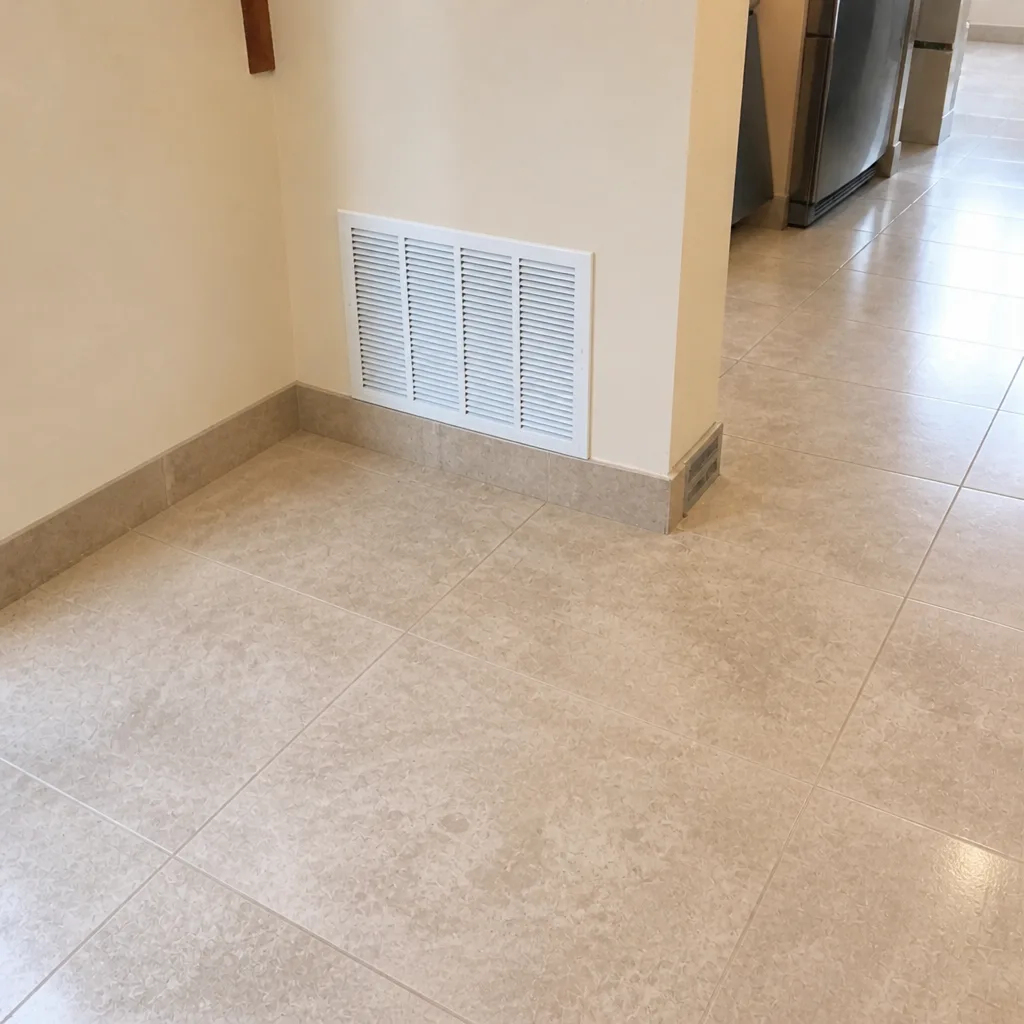 After
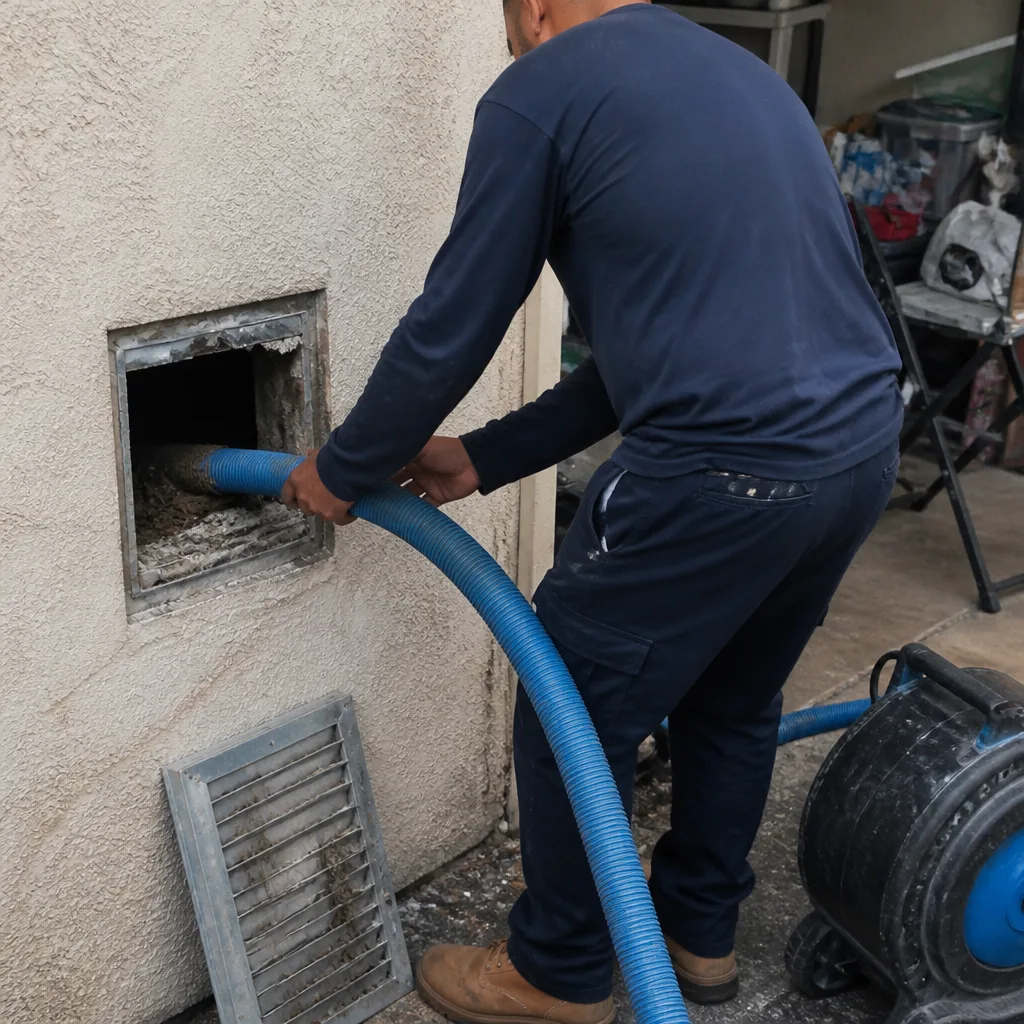 Before
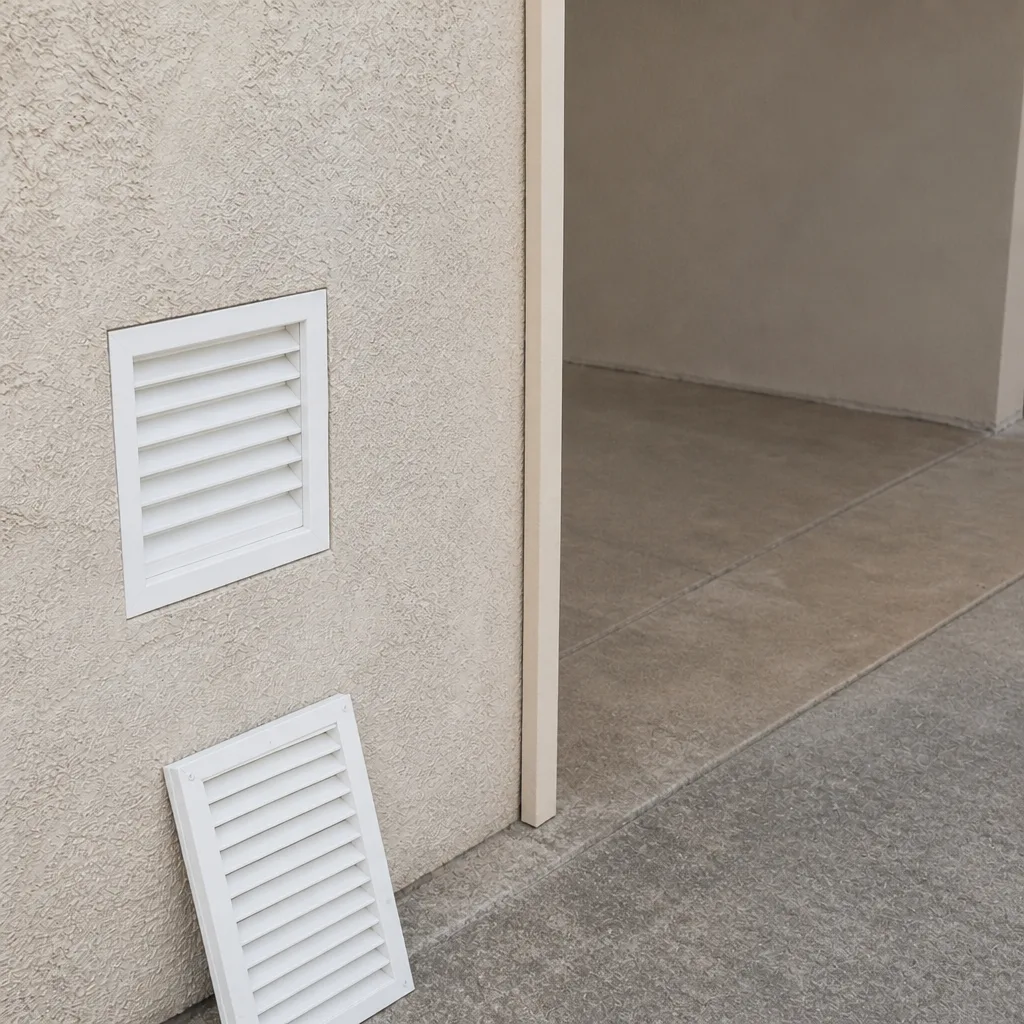 After
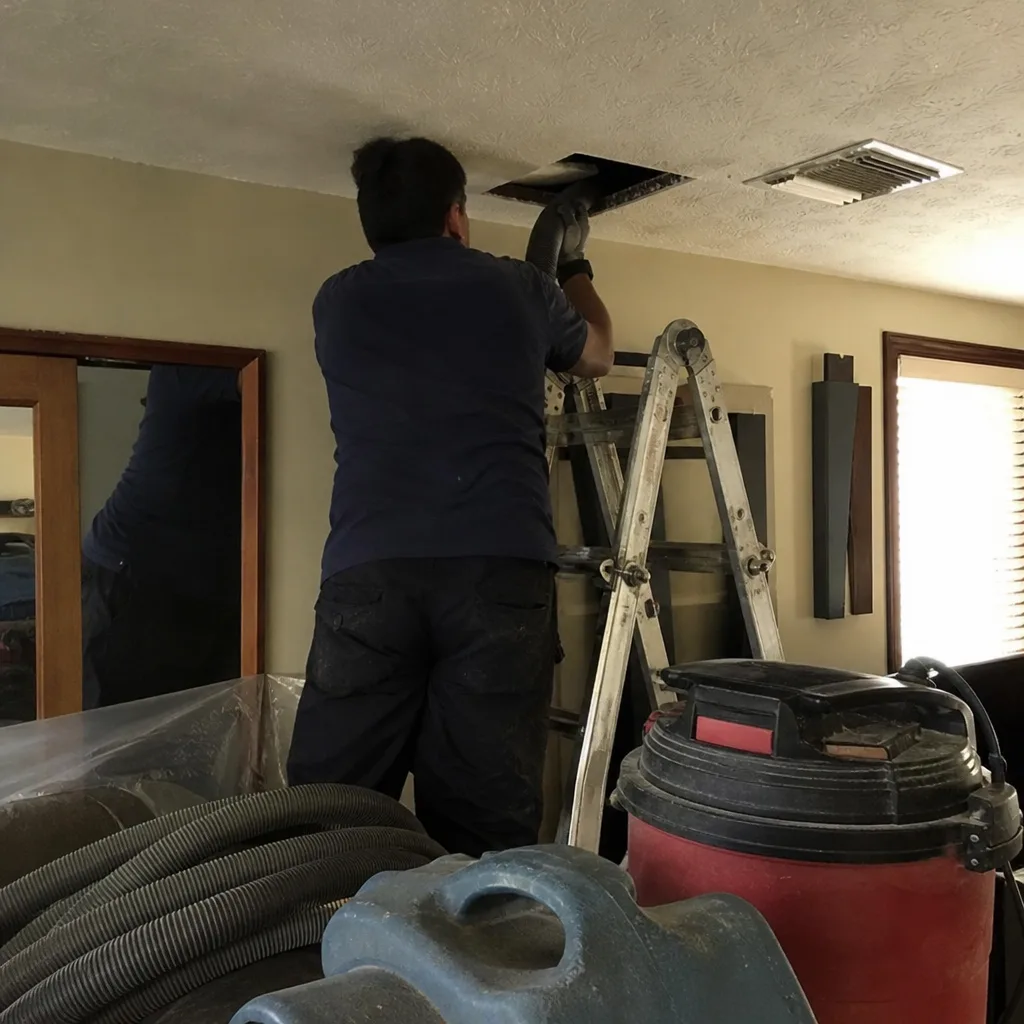 Before
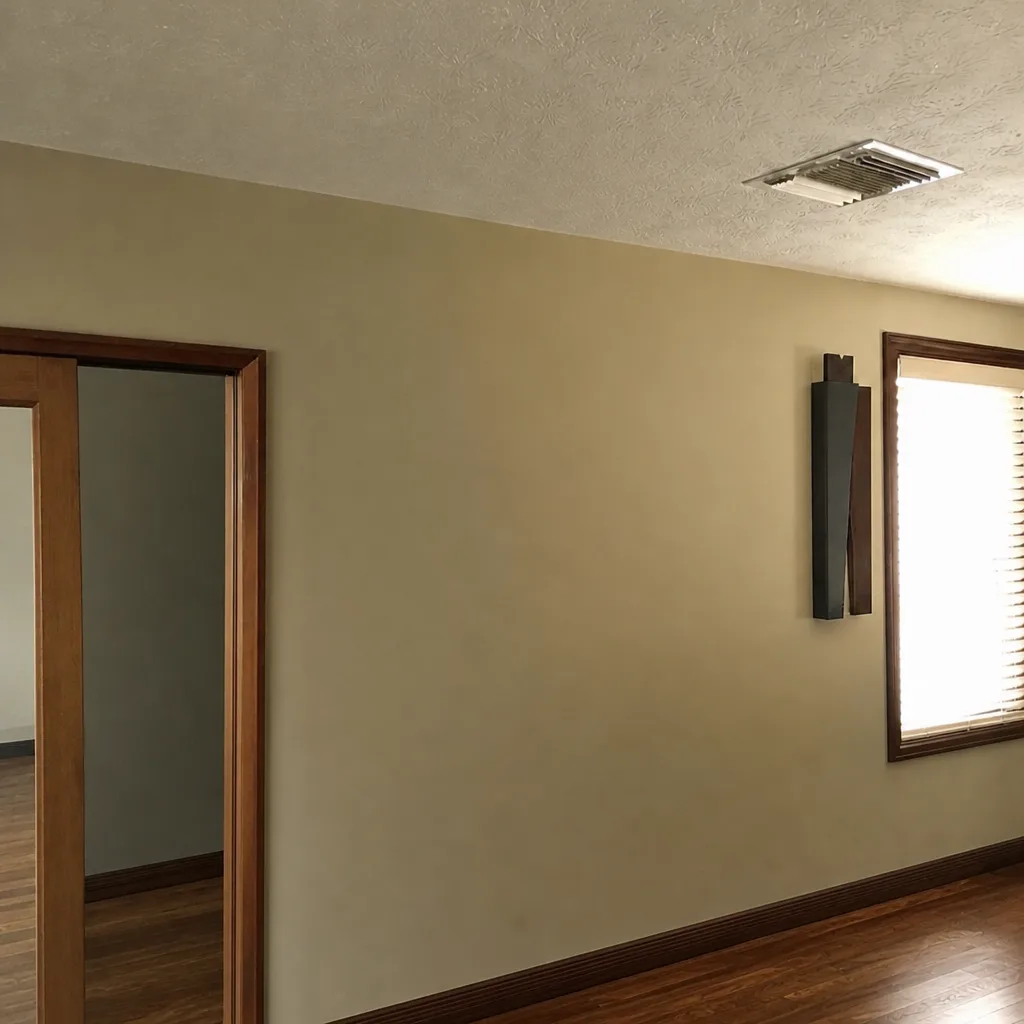 After
When to Call a Professional
Call a professional when the symptoms point to source contamination rather than surface dust. That means dusty registers that refill in days, musty odors when the system runs, uneven airflow between rooms, or a recent renovation that sent construction debris into the return. It also means calling when the duct system is flex and the material condition is unknown, since brushing it without inspection risks tearing a liner. And it definitely means calling when a dryer vent is not flowing freely. Duct Cleaning Davie offers free estimates in Davie. Call (833) 772-2601. We answer 24/7. Fast dispatch from 7am to 7pm, Sunday through Friday.
Frequently Asked Questions
Only for the surface items: register and grille cleaning, filter changes, and a visual dryer vent inspection. Those are genuinely worth doing yourself. Cleaning the actual duct runs is not a DIY job in Davie because no consumer vacuum can generate the negative pressure required, and the humidity here makes biological growth a real risk when ductwork is left partly agitated. Call (833) 772-2601 for an exact quote. Estimates are free.
Pricing depends on system size, duct material, and the scope of cleaning and repair. We set one flat price per system based on the written estimate, agreed before any work begins, with no per-vent pricing. We conduct a free on-site estimate so we can quote accurately, and the written figure is what you pay. Call (833) 772-2601 to schedule one.
Ask for before-and-after photos of your own ducts. That is the standard we hold to: photos of the actual runs in your home before and after cleaning, plus a walkthrough where we point out what came out and where damage was found. A cleaner who cannot produce photographic evidence of your system is not showing you proof. Call (833) 772-2601 to book an estimate.
Yes, and it happens often. A shop vac captures some of the dust it loosens but exhausts the rest into the room, so you end up delivering fine particulate into your breathing zone instead of removing it. Professional equipment solves this with high-capacity negative pressure and HEPA filtration so dislodged material stays in the capture system. Call (833) 772-2601 if your system has already been disturbed this way.
Improperly performed DIY brushing can tear a flex liner or break a fitting, and manufacturer warranties typically exclude damage from improper cleaning. Professional cleaning uses rotary equipment sized to the duct material with an inspection beforehand, so damage risk is much lower. The repair capability matters too, since the team that finds a damaged liner can repair it in the same visit. Call (833) 772-2601 to have your system evaluated first.
There is no fixed schedule. Homes with pets, recent renovation, allergies, or ongoing dust symptoms typically benefit every few years; homes that stay clean and change filters regularly may go longer. The right interval depends on what is actually in your ducts, not on a calendar. Call (833) 772-2601 and we will inspect and give you an honest answer.
The Bottom Line
Duct cleaning is not a skill problem for the homeowner. It is an equipment problem, and the gap between a shop vac and a professional negative-air machine is measured in thousands of cubic feet per minute. That means most DIY duct cleaning redistributes contamination rather than removing it, and on flex duct it risks real damage. Homeowners can and should handle registers, filters, and dryer vent inspection. Everything else needs professional equipment, an inspection beforehand, and photographic proof after. In Davie, the humidity, the number of recently renovated homes, and the typical flex duct construction make the professional route the lower-risk one in almost every case where a symptom exists at all. Call (833) 772-2601 for a free estimate. We answer 24/7. Fast dispatch from 7am to 7pm, Sunday through Friday.
Written by the team at Duct Cleaning Davie.