
Last updated November 16, 2026
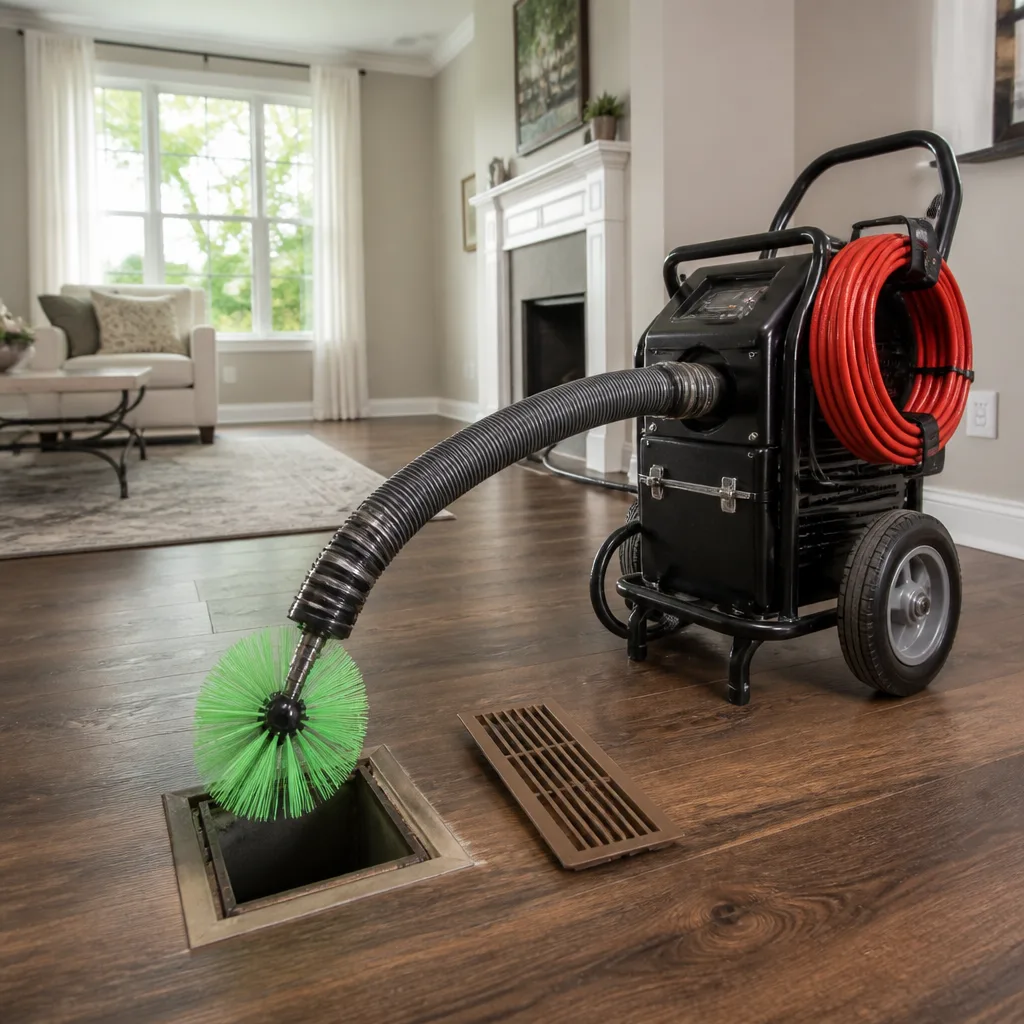 Whole-home duct cleaning
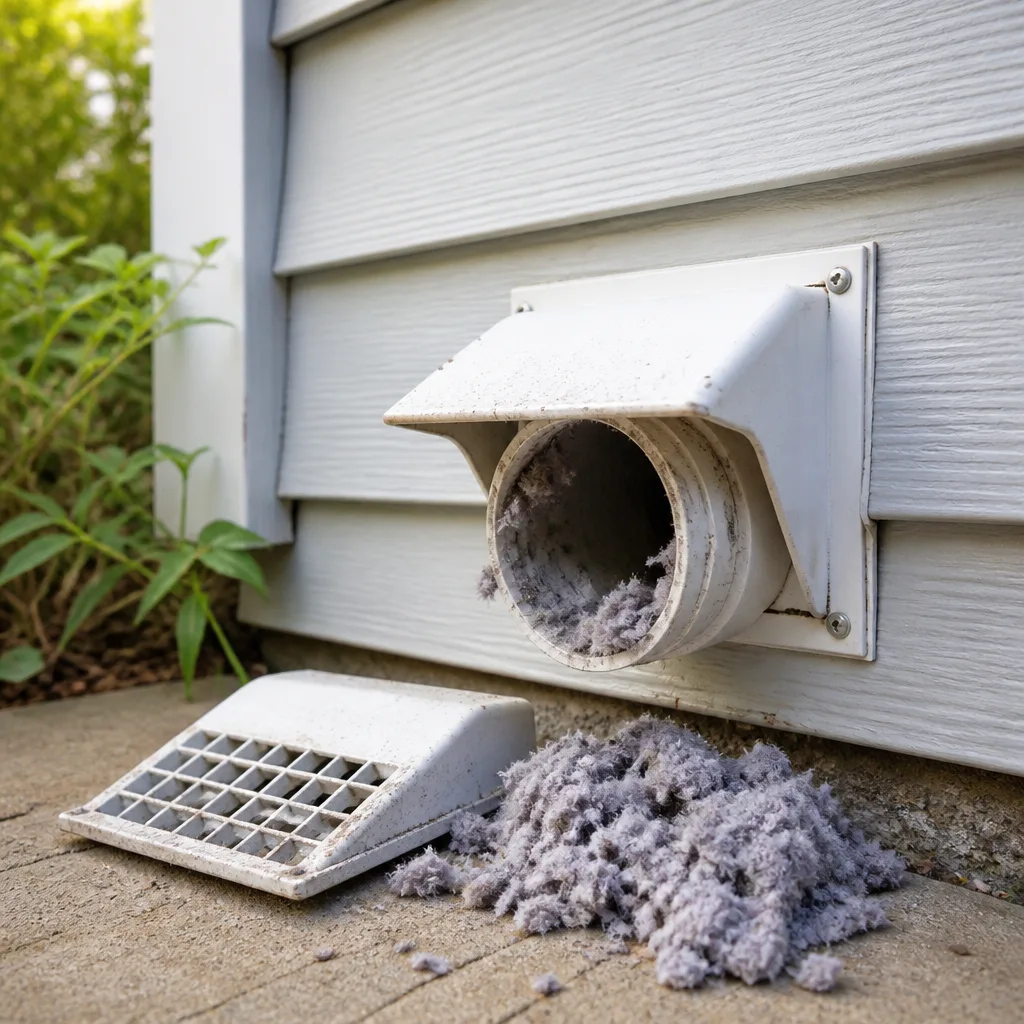 Dryer vent cleaning
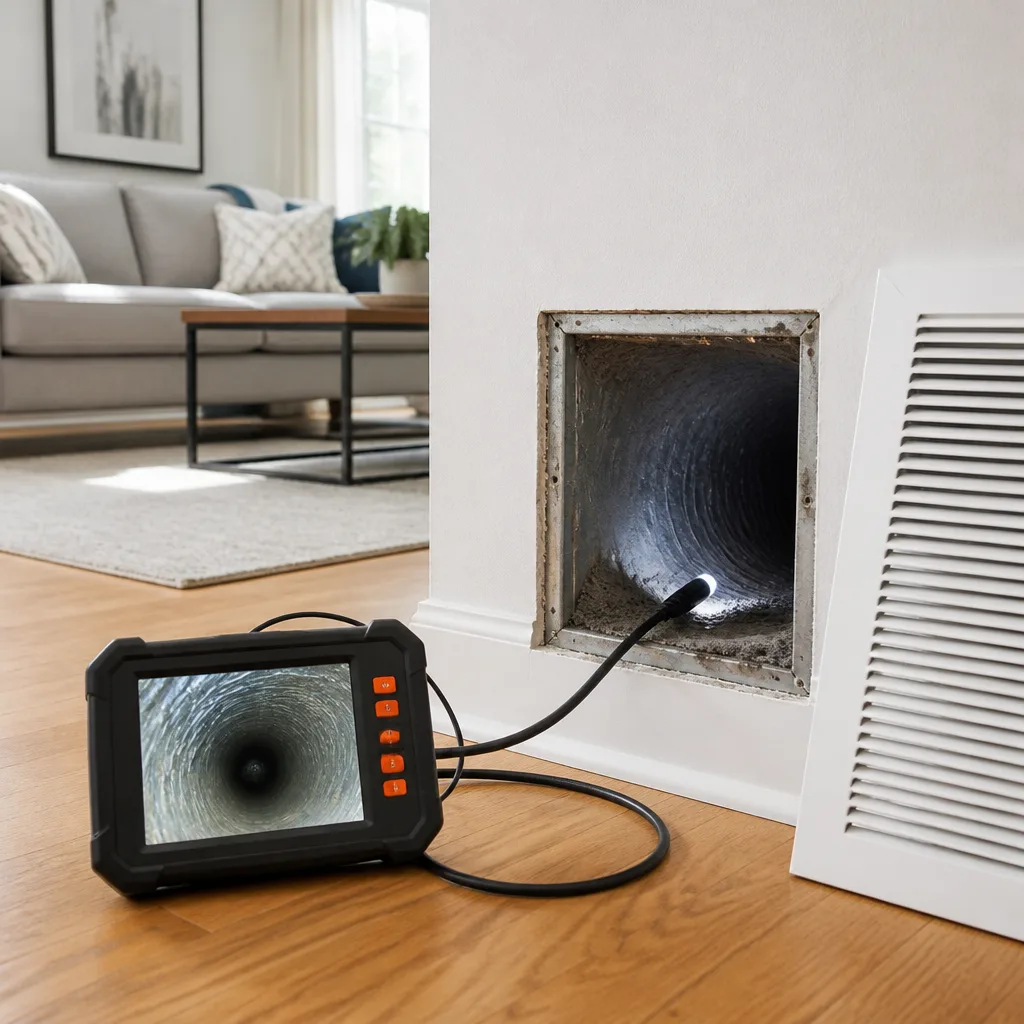 Camera inspection
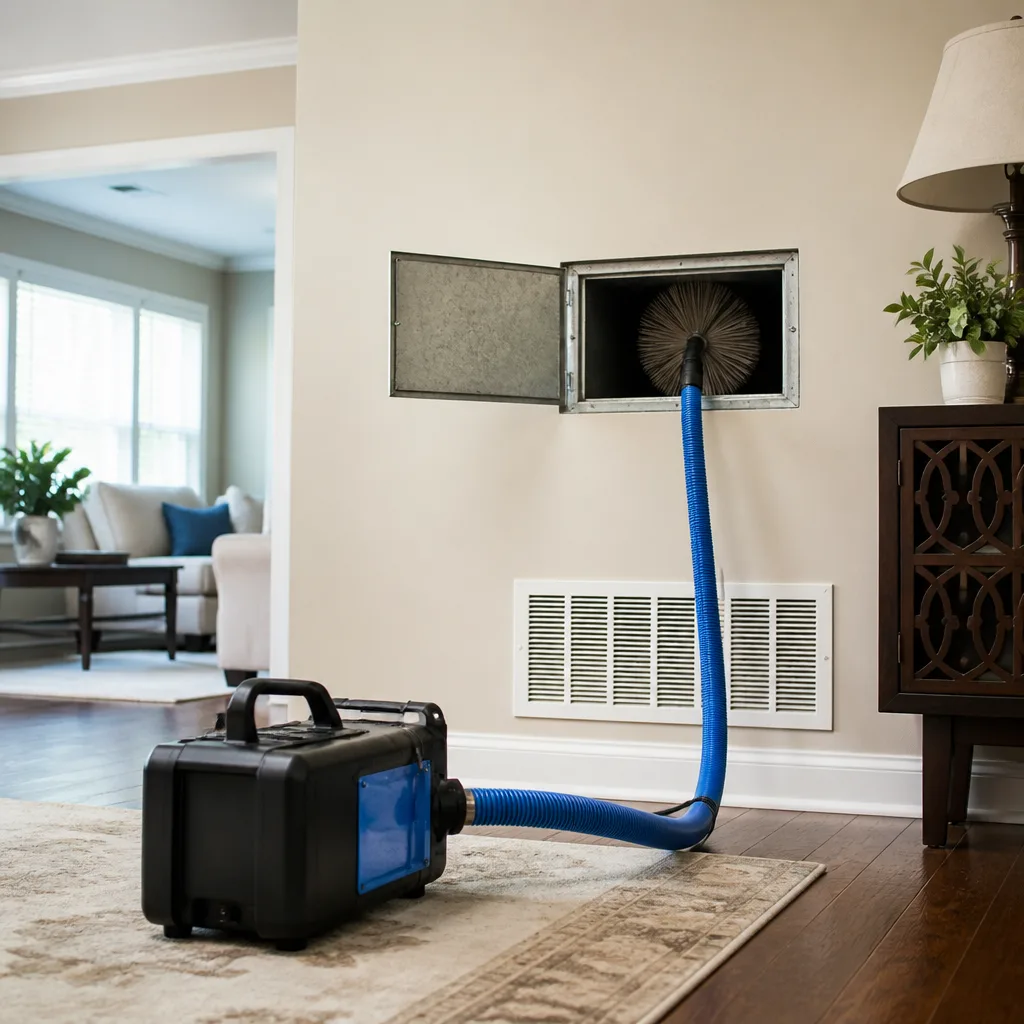 Sanitizing & deodorizing
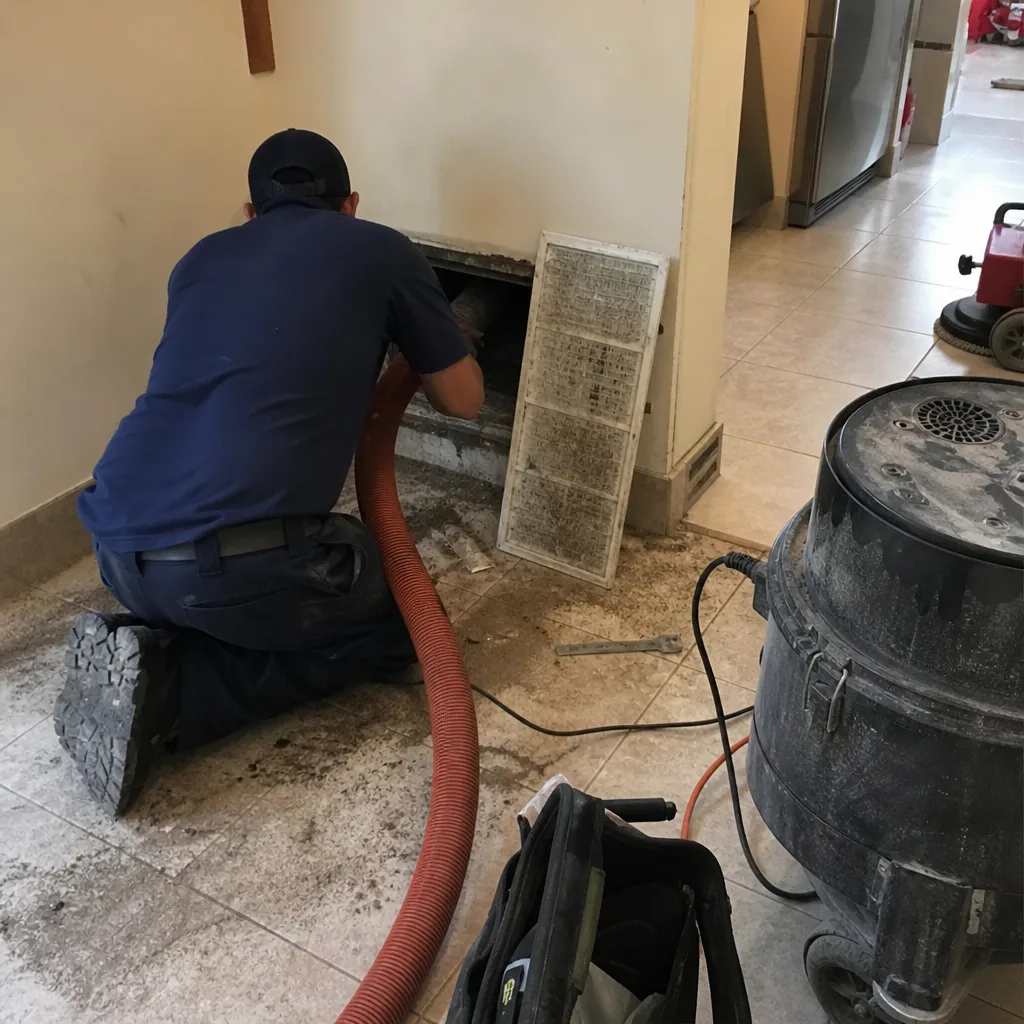
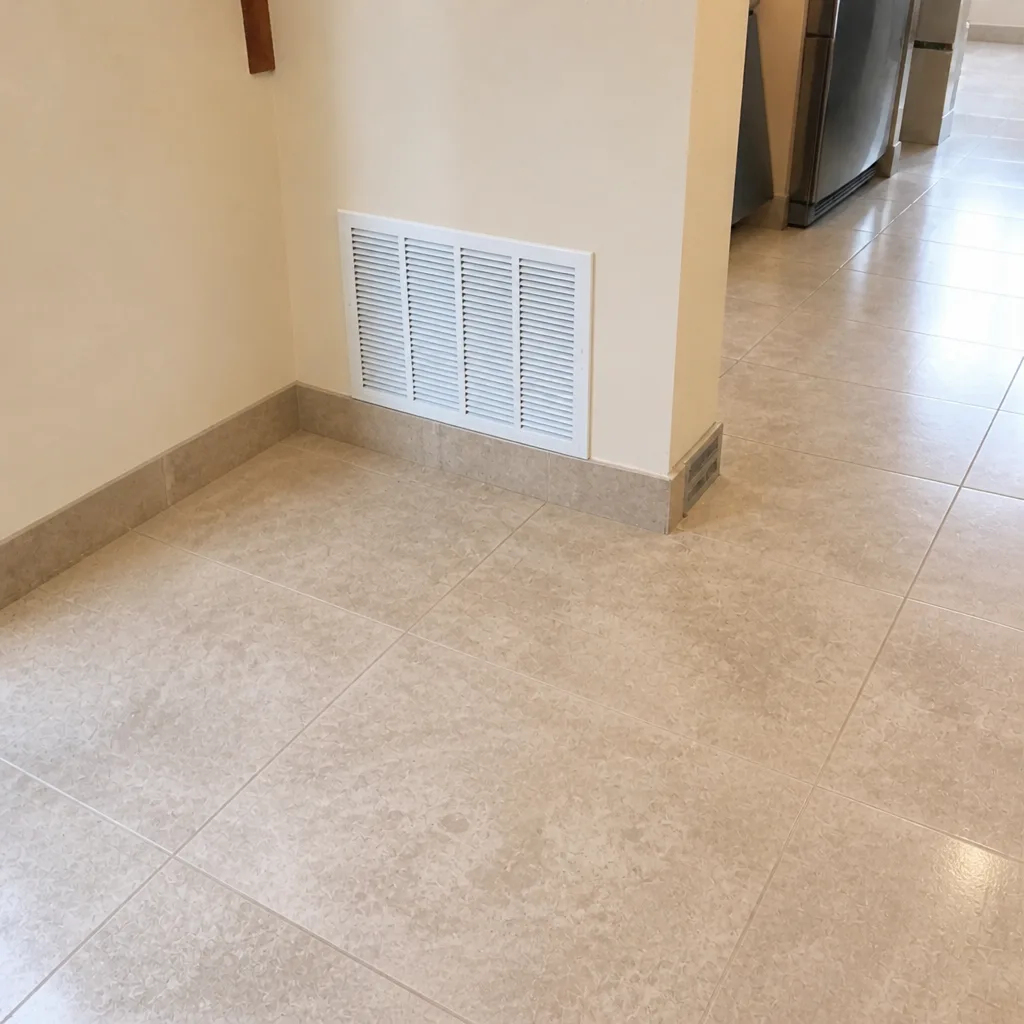
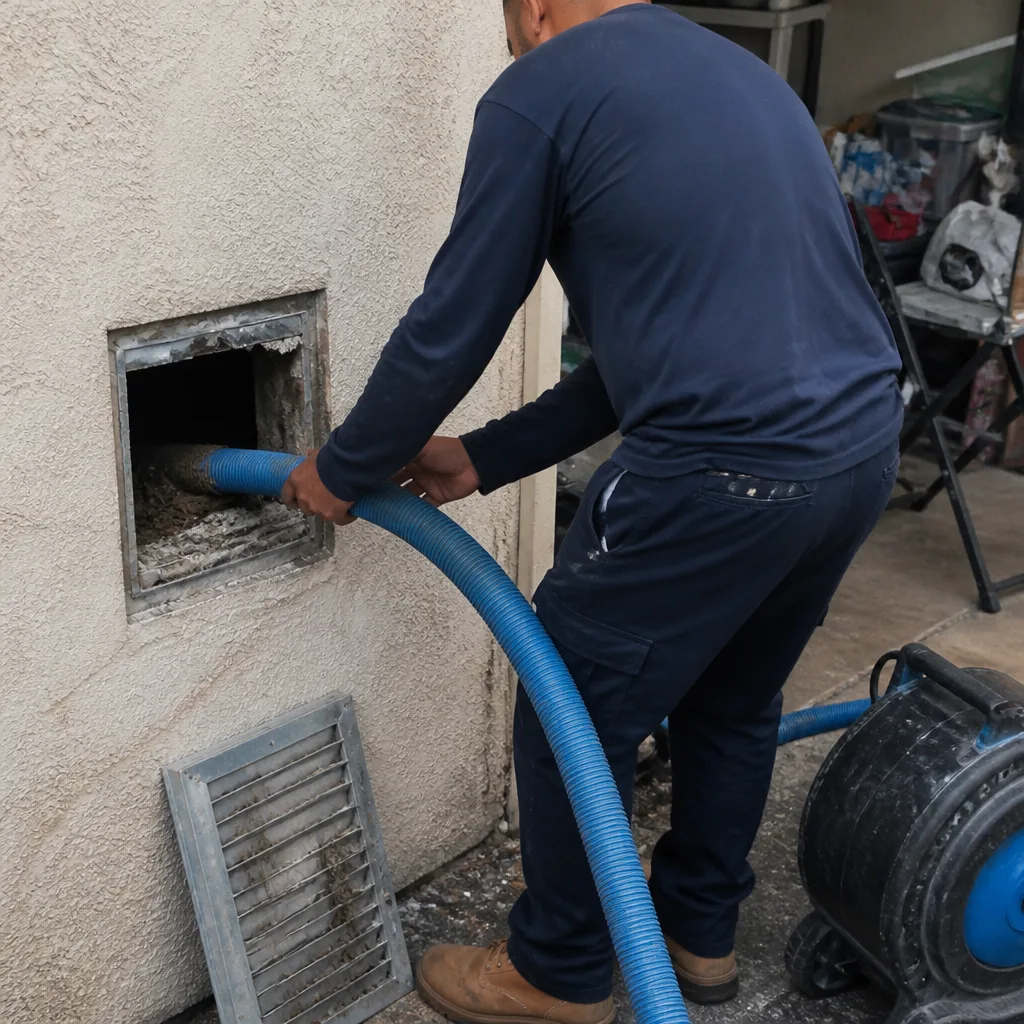
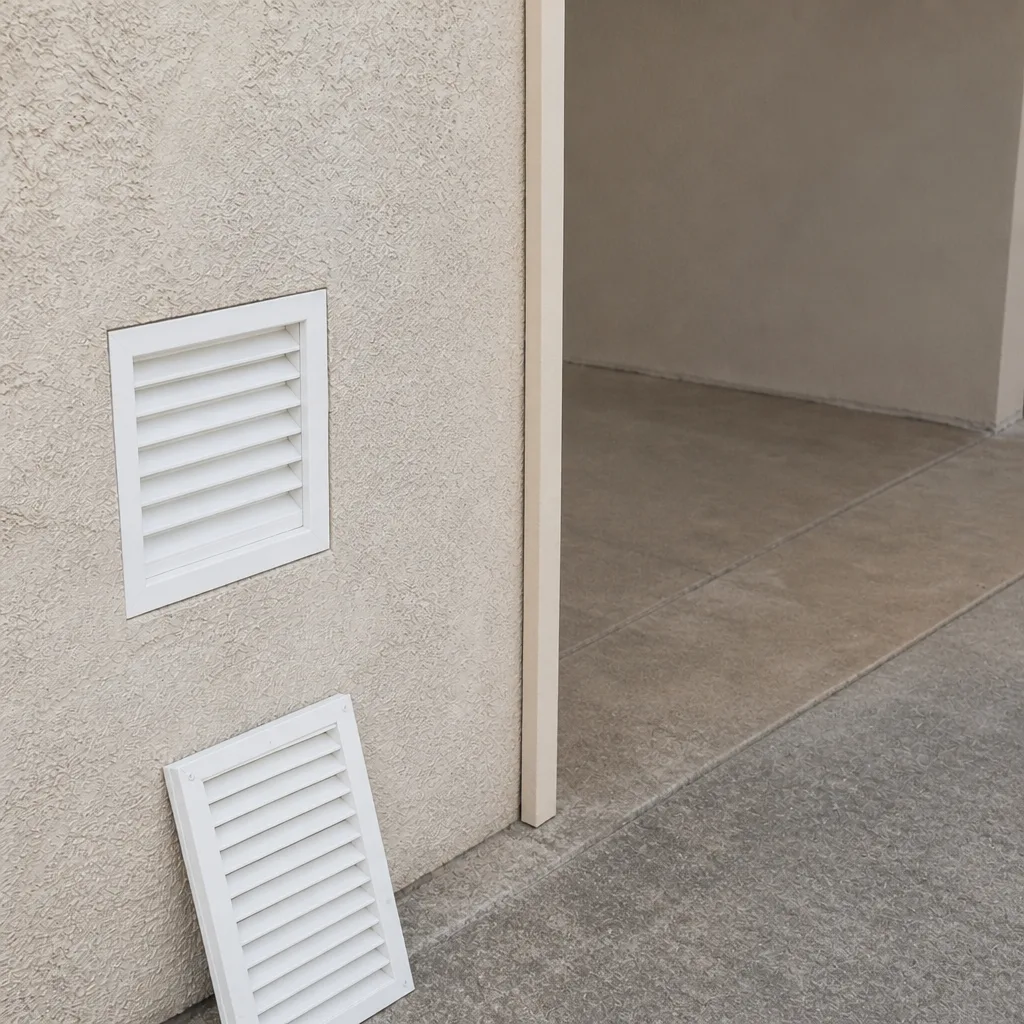
Whole-system duct and dryer vent check with before-and-after photos - you see exactly what came out of your vents
That "$99 whole-house special" is a bait ad - the real number appears once they are in your hallway, or the "clean" is a shop-vac at the register. We photograph the inside of your ducts before and after instead.
Most homeowners in Davie judge their ductwork by what they can see. A clean-looking supply register on a hallway ceiling gets read as evidence that the whole system is fine. Here’s the counterintuitive part: that register tells you almost nothing. A residential duct system is one connected loop, and the dirt that matters collects in places the homeowner never opens. You’ll finish this guide knowing what gets contaminated and where, what “actually clean” looks like at each stage, and how to confirm a cleaning was complete.
Quick Answer
A complete air duct cleaning in Davie means cleaning every component of the connected loop: supply trunks, branch flex runs, return plenums, the air handler cabinet, registers, and grilles, not just the vents you can see. The work draws dirt out of the system under negative pressure and captures it with professional filtration equipment rather than blowing it into your living space. If a quote covers only the registers, it isn’t a full-system cleaning.
Styles & brands we work with
- Whole-home duct cleaning
- Dryer vent cleaning
- Camera inspection
- Sanitizing & deodorizing
Table of Contents
- Map of a Residential Duct System
- Why South Florida Humidity Changes the Contamination Profile
- What Source-Removal Standards Actually Require
- A Complete Cleaning, Step by Step
- How to Verify the Cleaning Was Complete
- When Cleaning Isn’t Enough: Repair and Sealing
- Dryer Vents: The Fire-Safety Side of the Same Trade
- Common Mistakes to Avoid
- When to Call a Professional
- Frequently Asked Questions
Map of a Residential Duct System
Before you can judge a cleaning, you need to know what the system actually contains. When we describe what a full-system service involves at Duct Cleaning Davie, this is the loop we mean. Most single-family and light-commercial buildings in Florida share the same basic layout.
Supply trunks
The main supply trunk carries conditioned air away from the air handler. It’s often sheet metal wrapped in insulation, or rigid fiberglass duct board in older Davie homes. The interior surfaces collect fine dust, lint, and, given the local humidity, settled biological material. This is where much of the contamination lives on a system that hasn’t been serviced in years.
Flex runs
Individual flex ducts branch off the trunk to reach each room. Their corrugated interior traps dust along every ridge. The sagging loops common in attics catch condensation and become a favorite spot for biological growth when a system runs with a marginal filter.
Return plenums
The return side pulls household air back toward the air handler. Return plenums are the dustiest part of most systems because they handle unfiltered air by design. A panned return cavity or a loose plenum joint can pull attic and garage air straight into the loop.
Air handler cabinet
The cabinet houses the blower and evaporator coil. A dirty blower wheel and a loaded coil both reduce airflow and push the system harder. Not all duct service covers the cabinet interior, so ask specifically whether it’s included.
Registers and grilles
Supply registers and return grilles are the visible endpoints. They’re also the only part many low-bid crews ever touch. More on that below.
Why South Florida Humidity Changes the Contamination Profile
Duct contamination in Davie isn’t just dust. Our summers sit near saturation for months, and that changes what grows inside a duct system. A coil that stays wet between cycles and a duct run that sweats in a hot attic create the one condition most indoor air problems need: sustained moisture.
The result is a category of contamination that particulate cleaning alone doesn’t address well. Mold spores, dust mite debris, and bacteria settle into the condensation film that builds on duct surfaces over a season of cooling. That film holds onto particles far more aggressively than dry dust does. A register that looks clean can sit inches above a run where biological growth has been quietly feeding on that moisture.
This is why we treat humidity control as part of the air-quality conversation, not an afterthought. Ductwork under negative pressure can also pull hot, humid attic air through a loose joint, and that moisture lands directly on cold surfaces. Sealing the loop and adding filtration that’s matched to the system’s airflow are both ways to knock down what grows in the first place. It’s also the reason a technician should look at filter condition, coil condition, and duct tightness on arrival rather than immediately starting a vacuum.
What Source-Removal Standards Actually Require
The industry standard is source removal, meaning the contaminant is physically removed from the system rather than knocked loose and left to recirculate. The North American Duct Cleaners Association (NADCA) sets the professional standard, and the practical shape of it hasn’t moved much over the years. A source-removal cleaning involves:
- Isolation of the zone. The system is put under controlled negative pressure so dislodged material travels toward the vacuum, not into the rooms.
- Capture at the source. Air filtration equipment, which is where Abatement Technologies equipment earns its place, traps the material that the vacuum pulls out.
- Mechanical agitation. Every surface inside the duct is brushed or air-washed. The interior of a duct, not just the air passing through it, has to be worked.
- Cleaning of all components. Supply, return, plenums, registers, grilles, and the accessible parts of the air handler.
- Verification. A post-cleaning inspection that confirms surfaces are clean before the job is signed off.
A low-bid crew often skips several of these. The shortcuts we see most: no negative pressure, so dust ends up in your rooms; a shop vac at the register instead of a truck-mounted or high-capacity unit reaching the trunk line; register-only “cleaning”; and a missing inspection at the end. That gap between the standard and the shortcut is where the bait-and-switch reputation of this trade comes from.
A Complete Cleaning, Step by Step
A full-system job at a typical Davie home follows a sequence. Here’s how it should go, so you know what to expect when a technician arrives and can spot it if a step is skipped.
- System walkthrough and assessment. Every vent, the air handler, and the accessible ducts are checked for contamination level, damage, and moisture problems. Reaching the far end of a long flex run matters.
- Protection of the home. Floors and furnishings are covered. Filtration equipment is staged to capture what the vacuum pulls out.
- Negative pressure and vacuum connection. The vacuum connects to the system so every downstream duct stays under suction. Anything dislodged moves out.
- Mechanical cleaning of every duct component. Brushes and air whips work the interior of the trunks, runs, plenums, and the air handler cabinet. This is the part no shop vac can do well.
- Register and grille cleaning. Every face is cleaned, not just rinsed off.
- Coil and blower check. Dust on the coil or blower reveals whether a separate air-handler service is needed.
- Camera and post-service inspection. A crew that doesn’t inspect the job at the end can miss a section. Before-and-after photos are the simplest proof.
The equipment matters here more than the sales pitch. Consumer machines move air slowly and can’t reach the depth of a trunk. The professional-grade Rotobrush and Nikro systems we use are built for the full length of a residential loop, which separates them from a shop vac on a hose.
How to Verify the Cleaning Was Complete
You don’t need a camera rig to check the basics. A few checkpoints, run the same afternoon, will tell you more than any verbal assurance.
- Look at the register faces. Compare a few supply and return faces to the “before” photos. Grilles should look clean on every edge and corner, not just the middle.
- Check the vacuum path. Ask where the vacuum was attached. A serious cleaning has a connection that reaches the trunk or plenum, not a hose taped to one register.
- Snap a photo inside a supply box. With the grille off, a phone flashlight aimed at the duct interior shows whether the surface was actually worked. A white glove wipe of the duct metal tells you quickly.
- Feel for airflow. With the system running, airflow at every register should feel even. A register with noticeably weaker flow after a cleaning points to a disconnected or crushed run that needs repair.
- Look at the filter. A fresh filter installed at the end of the job is standard. A dirty filter left in place is a sign the crew didn’t finish the loop.
- Ask for the inspection record. The best verification is the “after” photo set from inside the ducts, which a professional crew captures at the end of the job.
If a company can’t produce photos or a written description of what was cleaned, that’s your answer about the quality. Ask before booking.
When Cleaning Isn’t Enough: Repair and Sealing
Cleaning handles contamination. It doesn’t fix a duct that leaks, is crushed, or came apart at a joint. At Duct Cleaning Davie, the same appointment that uncovers a damaged run can repair it – which means no waiting on a second contractor to come out after the cleaning crew leaves.
What’s actually damaged what to look for:
- Disconnected connections. A flex run that slipped off its collar spills conditioned air into the attic, which is common in systems that have been through a few hot summers.
- Crushed or kinked runs. A flex duct squeezed against framing can’t move the air it was sized for. You’ll notice a stuffy room with a supply register that barely pushes air.
- Torn insulation. Insulation damage leads to condensation and, over time, moisture where you don’t want it.
- Loose plenum joints. Gaps at the air handler or plenum leak air and dust into the loop or, worse, pull unfiltered air into it.
- Sealing gaps. Trunk and plenum joints often get sealed during the same visit. Airtight is the goal.
The reason repair belongs in the same visit is that cleaning a leaky duct just sends cleaned air out through the leak. Fixing the loop first means the cleaning holds. If you’re already noticing weak airflow or a room that runs hot, this is worth flagging when you schedule.
Dryer Vents: The Fire-Safety Side of the Same Trade
A dryer vent isn’t an air-quality item; it’s a fire-safety item. Lint that builds up in the vent path is fuel, and a clogged vent also forces the dryer to run longer, which drives up electrical use. Dryer vent cleaning is a discrete service at Duct Cleaning Davie because the two jobs use different tools and different standards, not because one is an upsell afterthought.
What the visit covers: the full length of the vent from the dryer connection to the exterior hood, the transition duct, and the lint trap housing. Anything that restricts airflow, from a crushed transition to a hood flap that won’t open, gets flagged. We don’t cover dryer appliance repair, but a vent that’s been cleaned and sized correctly is the biggest airflow win available.
A few signs it’s time: clothes still damp after a normal cycle, a dryer that gets hot to the touch, a hood flap on the outside that doesn’t open when the dryer is running, or a lint screen that fills within a load or two. None of these are emergencies, but they’re reasons to book the service sooner rather than later.
Common Mistakes to Avoid
- Cleaning registers only. The grilles are the smallest part of the loop. A cleaning that touches just the vents leaves the trunk, plenums, and air handler untouched, and nothing meaningful changes.
- Chasing the lowest quote. Low-bid work usually has a reason: fewer components cleaned, no negative pressure, no inspection. Ask what a quote covers before you compare numbers.
- Skipping the repair step. If a joint is loose or a run is crushed, cleaning won’t hold. Have it repaired before calling the job done.
- Ignoring the filter routine. A good filter changed on schedule matters across the whole year. Ask about a Honeywell or Aprilaire filter setup that fits the system.
- Assuming the dryer vent is fine. Most people never look. The vent is a separate fire risk and deserves its own scheduled service.
- Shipping the humidity problem to the next season. In Davie, the humidity doesn’t take a break, so growth in a wet duct run only gets worse between cleanings.
- Trusting a quote with no written scope. A printed description of what will be cleaned, and a written estimate, is basic. Insist on both.
When to Call a Professional
Some situations call for a trained technician rather than a quarterly deep clean. If your home shows a persistent musty odor that returns after the system cycles off, if dust settles on furniture within days of a cleaning, or if a family member has allergies that seem tied to airflow, the cause is worth a professional diagnosis. A system that hasn’t been serviced in a long time, an older home, or a property with a recent renovation is also a strong candidate. You should also call if a room gets weak airflow, which usually points to a damaged run you can’t fix from outside. One caution: don’t climb into the attic to check the ductwork yourself. Ducts and the air handler involve electricity, moving parts, and tight spaces. That’s the work of a trained professional.
Duct Cleaning Davie offers free estimates in Davie. Call (833) 772-2601. We answer 24/7. Fast dispatch from 7am to 7pm, Sunday through Friday.
Frequently Asked Questions
Most homes do well with a full cleaning every three to five years, and sooner if you’ve had renovation work, a pet, allergies, or persistent dust. In Davie’s humidity, homes with marginal filtration can benefit from a more frequent check of the return plenum and coil area. The honest answer is that the interval depends on the system’s filter, seal, and moisture control. If the answer you’re getting is a number with no inspection behind it, ask why. We’re happy to walk through what’s specific to your home. Call (833) 772-2601 for a free estimate.
There’s no single number, and a quote that sounds too low usually leaves out most of the loop. Whole-system cleaning is priced per system, not per vent, and it depends on how many runs the system has, how inaccessible the attic is, and whether repair is needed. The honest approach is a free estimate with a written scope that lists every component that will be cleaned. The estimate sets the final price before work starts. Call (833) 772-2601 for an exact quote.
Cheap duct cleaning quotes usually have a narrower scope, not a better price. The common shortcuts are register-only cleaning, no negative pressure, and skipping the air handler and return plenum. None of that is visible from the invoice. Ask each company what will be cleaned, how the system is put under suction, and whether photos are provided. If any of those get a vague answer, the price tells you why. Call (833) 772-2601 to compare against a written scope.
Ask for the before-and-after photos taken inside the ducts during the service, and check a few registers yourself when the crew leaves. The face of every supply and return should look clean, the filter should be new, and airflow should feel even from room to room. A crew that captures photos during the job has nothing to hide. Call (833) 772-2601 to schedule a service where the photos are part of the job.
The air handler cabinet is part of the loop, and the accessible interior is included in a full-system cleaning. The coil and blower get checked as part of the assessment. If either needs work beyond cleaning, that’s a separate service and we’ll say so rather than fold it into the cleaning estimate. To clarify for your system, call (833) 772-2601. We’ll explain what the scope actually covers.
Cleaning removes the dust, lint, and settled contaminants that can keep triggering allergy symptoms, and it’s a useful starting point. The bigger effect usually comes from keeping the source under control: a sealed duct loop, the right filter (we install Honeywell and Aprilaire products for this), and a dryer vent that’s clear. For an allergy-focused home, it’s worth pairing a cleaning with a filter and sealing review. Call (833) 772-2601 for a free estimate.
The Bottom Line
A duct system is one loop, and cleaning only part of it doesn’t work. The supply trunks, return plenums, flex runs, air handler cabinet, and registers all need to be part of the service, and the work has to happen under negative pressure with proper filtration. In Davie, the humidity raises the stakes, because moisture drives biological growth that a dust-only cleaning won’t touch. Repair and sealing belong in the same conversation, and dryer vent cleaning is a separate safety service, not an upsell. Ask for a written scope, ask for photos, and insist the whole loop is on the list. That’s what “actually clean” means.
Written by the team at Duct Cleaning Davie.
See the difference
 Before
 After
 Before
 After
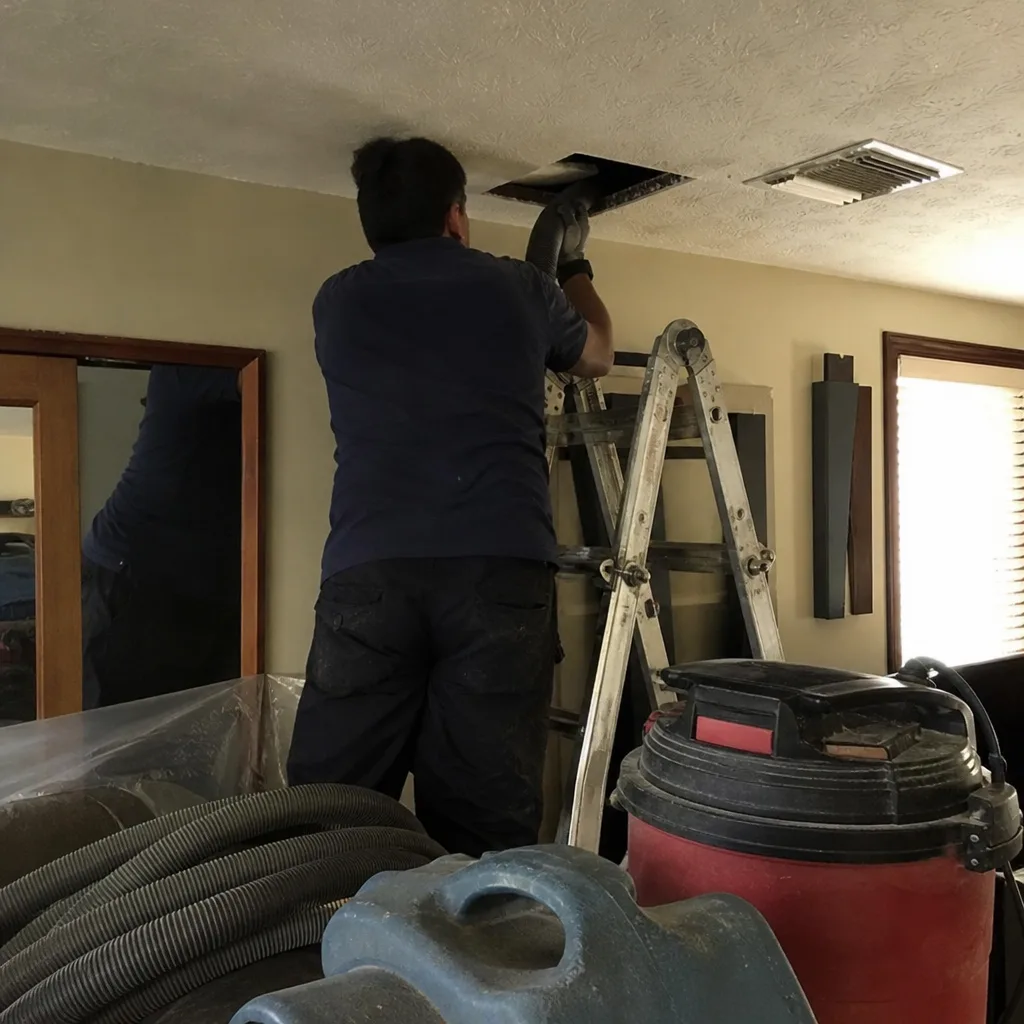 Before
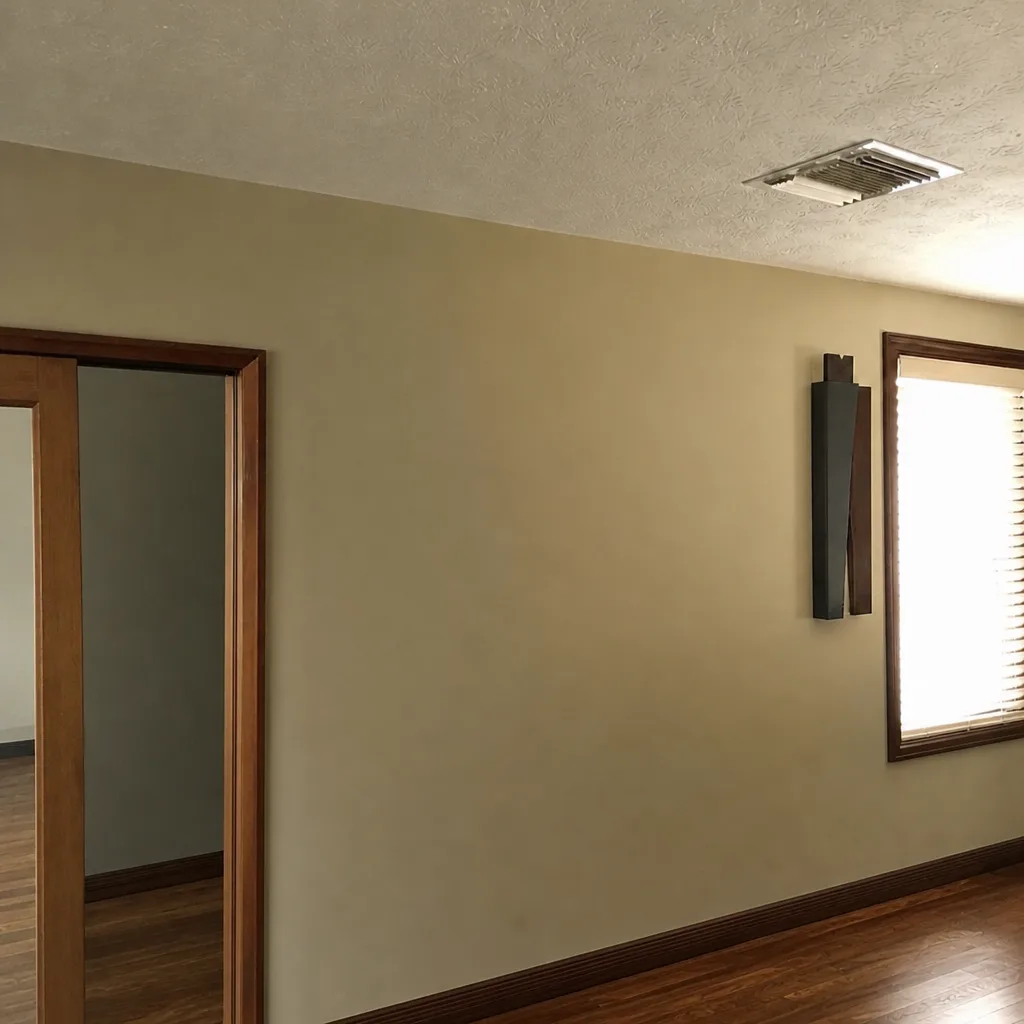 After