
Last updated November 16, 2026
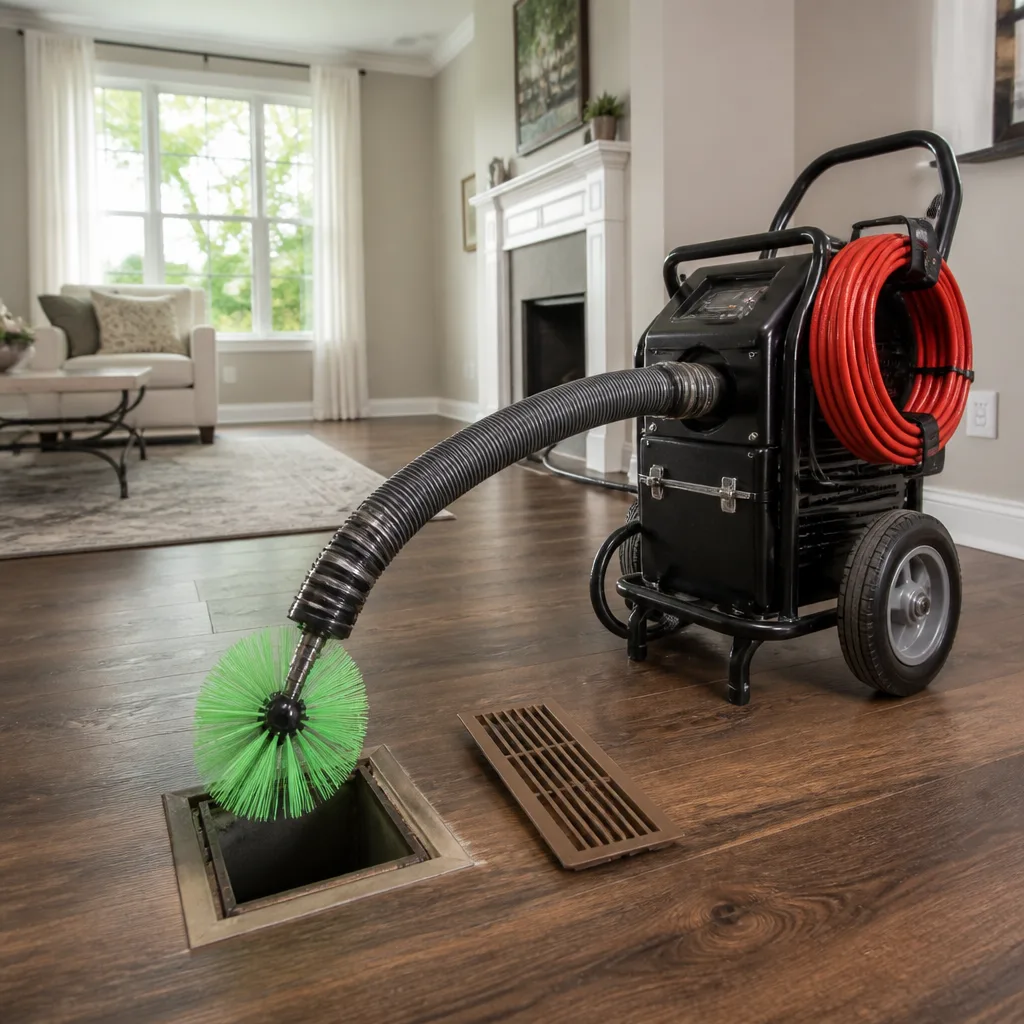 Whole-home duct cleaning
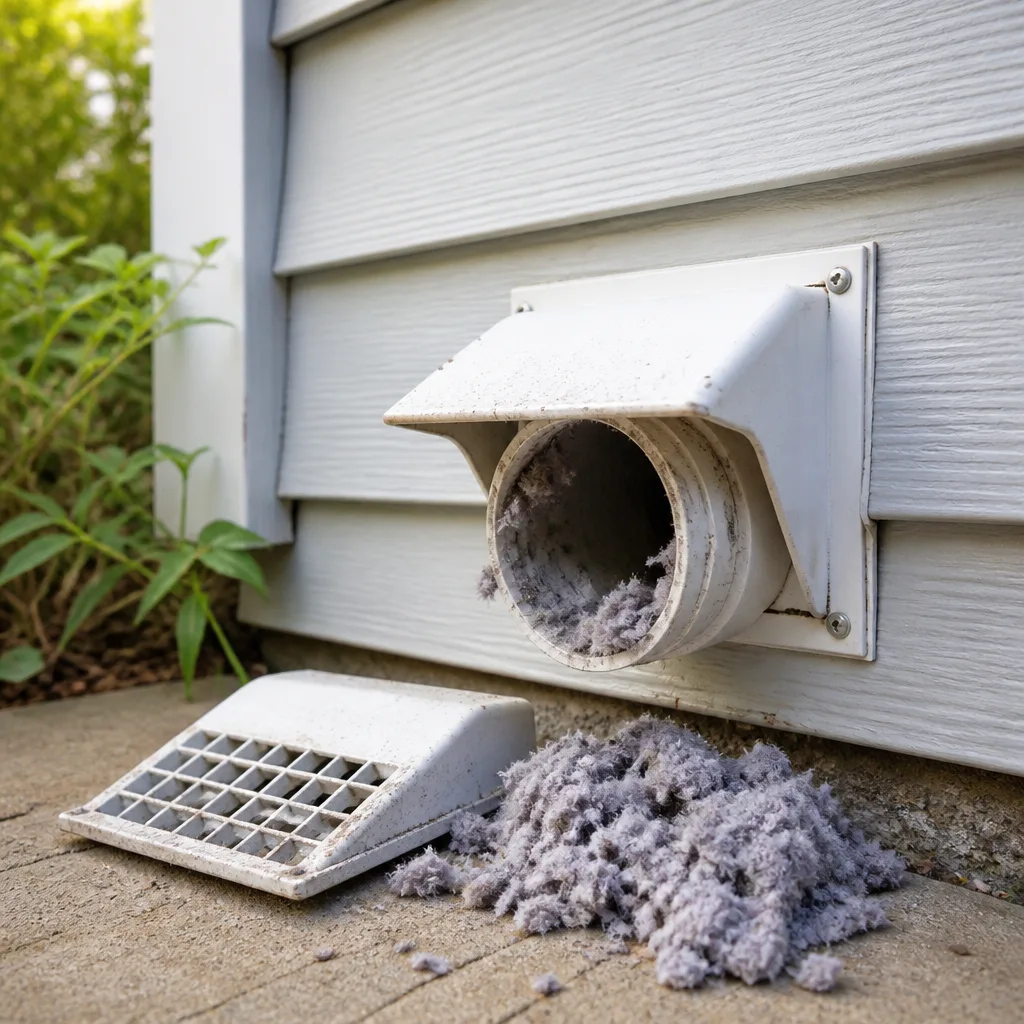 Dryer vent cleaning
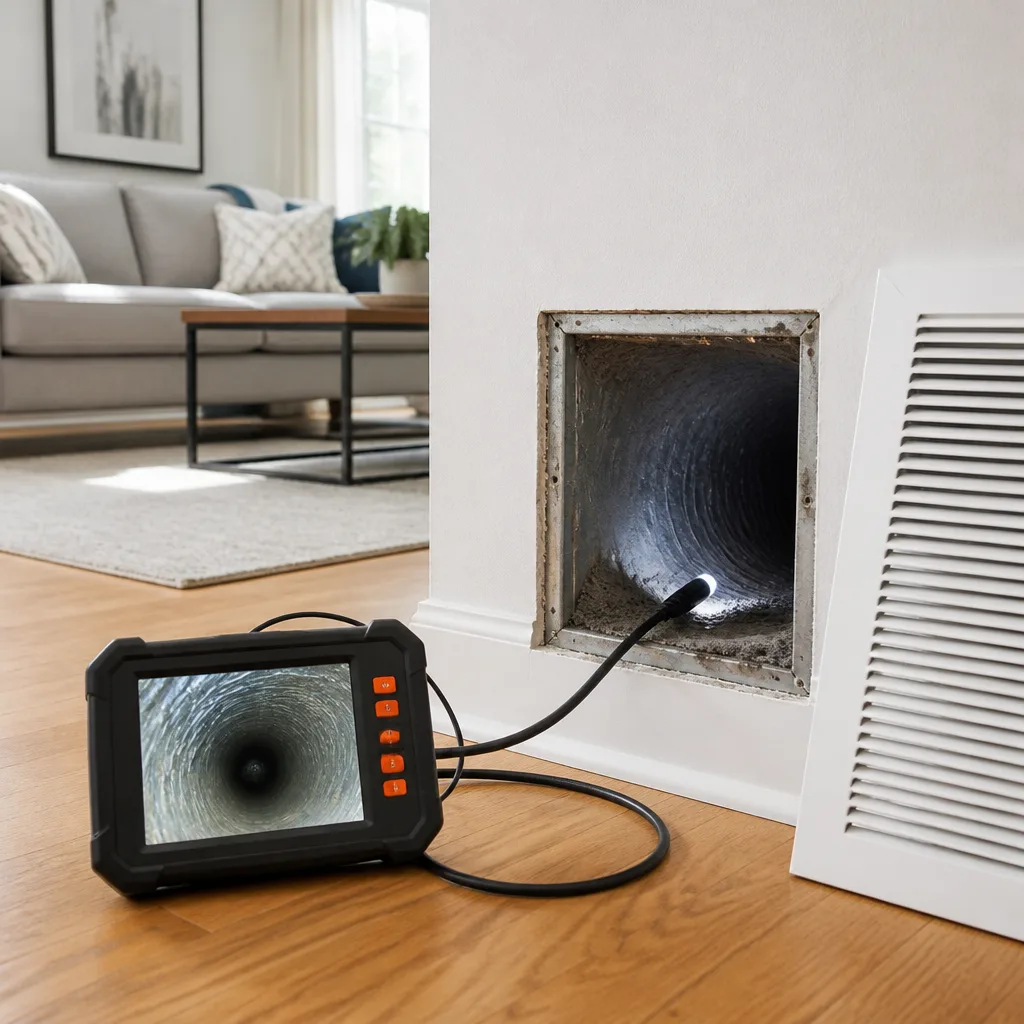 Camera inspection
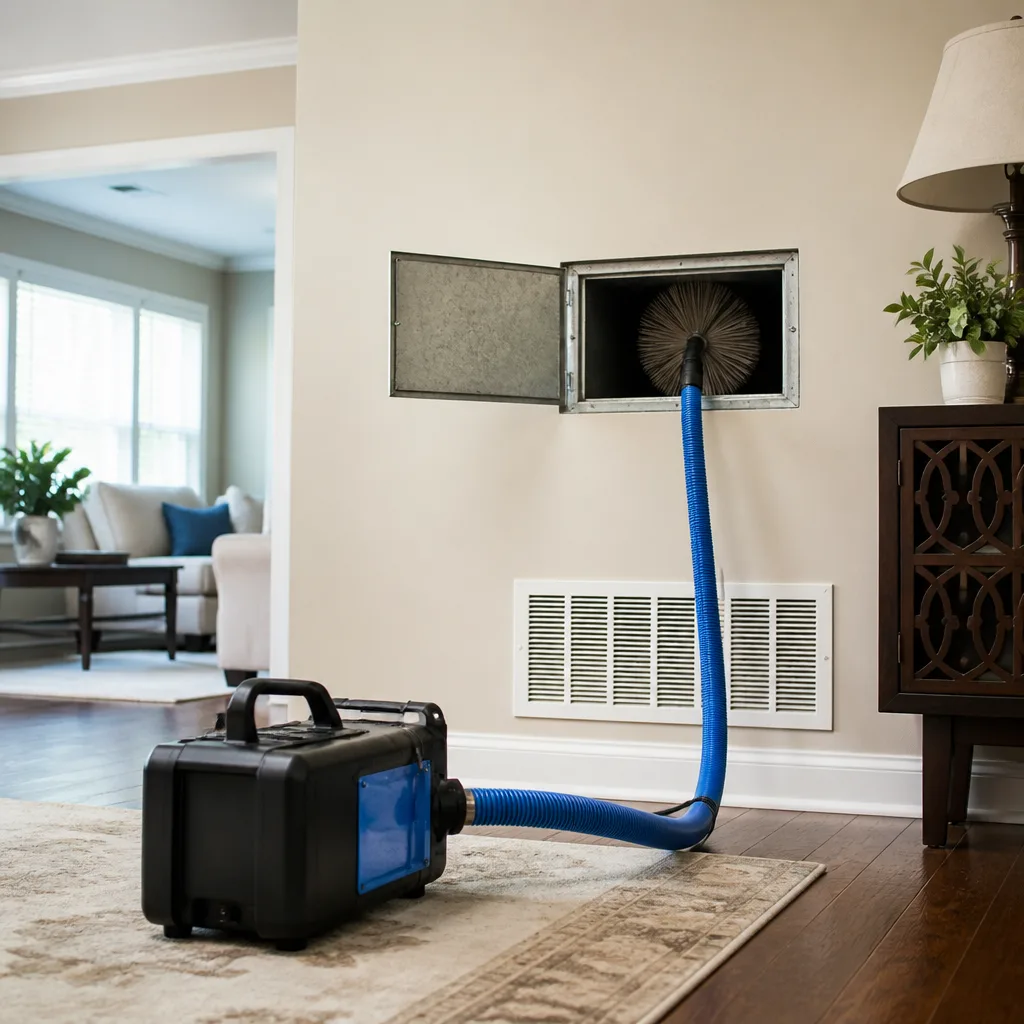 Sanitizing & deodorizing
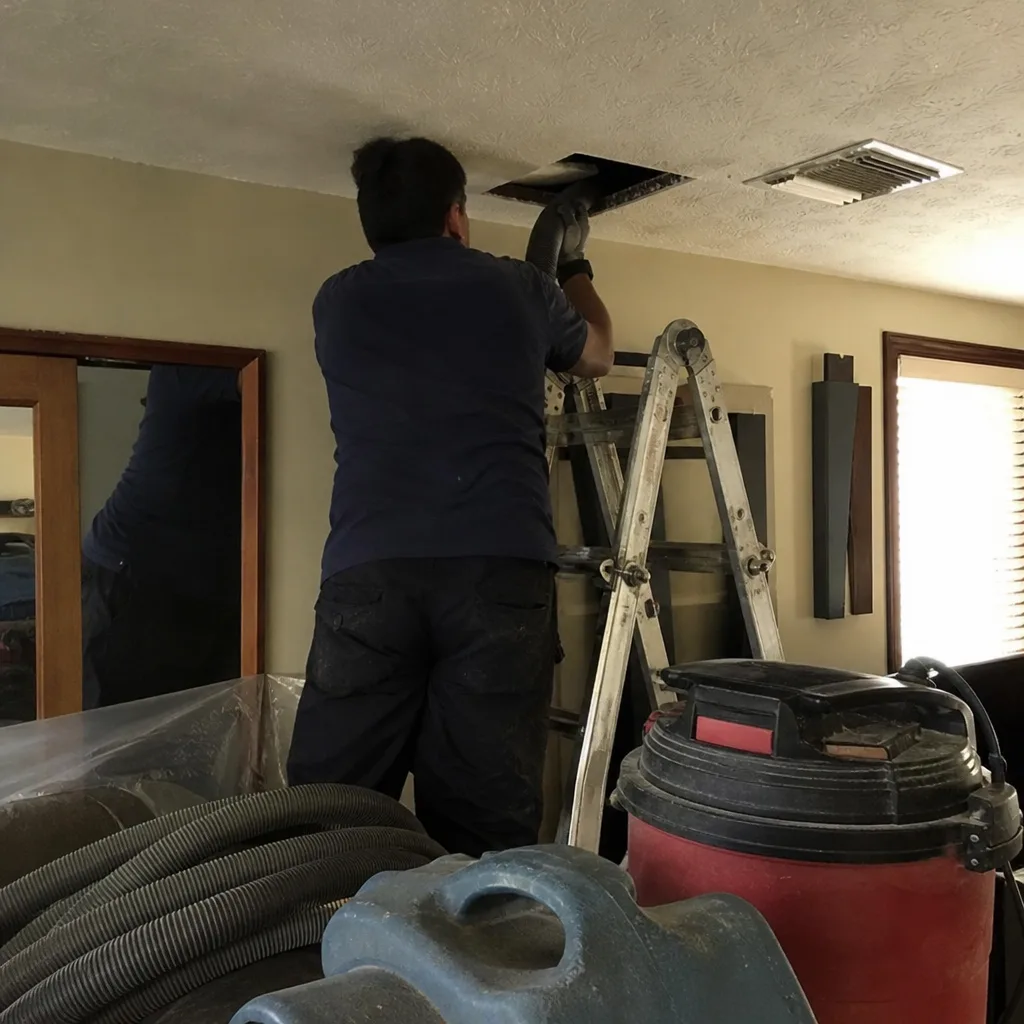
Whole-system duct and dryer vent check with before-and-after photos - you see exactly what came out of your vents
That "$99 whole-house special" is a bait ad - the real number appears once they are in your hallway, or the "clean" is a shop-vac at the register. We photograph the inside of your ducts before and after instead.
Air Duct Cleaning Emergency Preparedness Guide for Davie Homes
Most Davie homeowners treat a hurricane as a roof-and-window problem. The duct system barely gets a thought until the power comes back and somebody flips the thermostat. That’s the mistake. A storm can push wind-driven debris and moisture into your ductwork through paths you’d never notice from the living room, and running the air conditioning before you’ve checked for that damage is how a manageable cleaning job turns into a much bigger contamination problem. This guide walks you through the protocol we recommend for Davie homes before, during, and after a named storm: how to check system integrity, how to spot water intrusion, what to document, and when to call a professional rather than guess. None of it takes special tools.
Quick Answer
Before restarting your AC after a hurricane or tropical storm in Davie, inspect the duct system for water intrusion, debris, and disconnected sections, and have it professionally checked if you find any moisture, musty odors, or visible damage. A visual inspection costs far less than remediation of a contaminated system, and it protects your indoor air quality from circulating mold and storm particulate through the whole house. If you smell something musty or see water staining near the air handler, don’t run the system until a technician has looked at it.
Styles & brands we work with
- Whole-home duct cleaning
- Dryer vent cleaning
- Camera inspection
- Sanitizing & deodorizing
Table of Contents
- Why Davie Homes Face a Unique Duct Emergency After Storms
- The Post-Storm Protocol: Assessing Duct Integrity Before You Restart the AC
- How to Identify Water Intrusion in Flex Duct and Air Handler Cabinets
- Post-Storm Debris Contamination and Compromised Attic Insulation
- Emergency Duct Inspection vs. Emergency Duct Cleaning
- Documentation Steps for Insurance Claims in Broward County
- Hurricane Season Preparedness: What to Do Before the Storm Arrives
- When to Call a Professional
Why Davie Homes Face a Unique Duct Emergency After Storms
After Hurricane Irma, Broward County saw a surge in mold remediation claims that traced back to homeowners running their AC systems too soon after flooding. That pattern is the whole reason this guide exists. The sequence is almost always the same: a storm passes, the power comes back, the house feels hot and sticky, and the first instinct is to crank the air conditioning. But if your ducts took on moisture during the storm, that first cooling cycle pushes humid, contaminated air through every room in the house, and it spreads the problem from one wet section of ductwork into the entire system.
Davie has a couple of features that make this scenario more likely than it might be elsewhere. We sit low and flat, with a lot of older ranch homes and newer subdivisions where flex duct runs through hot attics and crawl-like mechanical closets rather than conditioned basements. There’s no cold climate to think about here. The pressure comes from heat, humidity, and wind-driven rain, which is a different failure mode than a northern homeowner would ever deal with. In Davie, a duct system can look fine from the register side and still be wet inside a sagging section up in the attic.
Add to that the density of mature oaks and pines across neighborhoods like Pine Island Ridge and the areas off Griffin Road, and you get a lot of wind-borne leaf litter, insulation fibers, and roofing granules that find their way into attic spaces during a storm. Once that material is sitting near a compromised register boot or a torn flex duct, every time the system runs it pulls it inward.
The good news is that most of this is preventable with a simple pre-restart check. The rest of this guide lays out exactly what that check looks like for a Davie home.
The Post-Storm Protocol: Assessing Duct Integrity Before You Restart the AC
This is the sequence we recommend to every Davie homeowner after a tropical storm or hurricane. Don’t skip steps. Each one builds on the last, and the goal is simple: confirm the system is dry and intact before you let it move air.
- Wait for safe access. Don’t go into an attic or mechanical space until the storm has fully passed and you have a safe, dry way in. Heat and humidity in a Florida attic after a storm are extreme, and wet insulation or a sagging ceiling is a fall hazard.
- Kill power at the thermostat and the air handler breaker. If you suspect water anywhere near the unit, the equipment stays off until it’s been checked. Electrical components and standing water don’t mix.
- Check the air handler cabinet first. Look for water staining, rust, standing water in the drain pan, or insulation that’s dark and matted. A wet cabinet is the clearest sign the system took on moisture.
- Trace the visible duct runs. Look for sections that have come loose at the joints, flex duct that’s crushed or torn, and any duct that’s sagging or holding water at a low point.
- Check every register and return. Look for water stains on the ceiling or wall around the grille, and for debris that has collected right at the opening.
- Smell the air near the returns. A musty, earthy, or sour smell is a red flag even if everything looks dry.
- Only restart the system if everything checks out dry and intact. If any step turns up a problem, get it inspected by a professional before the first cooling cycle.
This is the same general approach we bring to every air duct cleaning job, just applied to a post-storm situation. The principle holds: better air starts at the source, and the source is the whole duct path, not just the register you can see.
How to Identify Water Intrusion in Flex Duct and Air Handler Cabinets
Water intrusion is the single biggest risk after a storm in Davie, and mold can begin to grow in a warm, humid duct system within days. The tricky part is that flex duct hides moisture well. It’s insulated on the outside, so a damp inner liner doesn’t always show until the problem is well along. Here’s what to actually look for.
Visual signs
- Dark, matted, or compressed insulation around the air handler or along a duct run.
- Rust or corrosion on the cabinet, the blower housing, or the metal collars where ducts connect.
- Standing water in the condensate pan or evidence that it has overflowed.
- Water staining on ceilings or walls directly around a register, especially a spreading ring.
- Sagging flex duct, which often means the inner liner is holding water.
Smell indicators
- A musty, earthy, or sour odor near the returns or in the room closest to the air handler.
- A smell that gets stronger when the system runs and fades when it’s off.
- A “dirty sock” odor, which points to microbial growth on the evaporator coil or in the duct liner.
When to call before turning anything on
If you see any of the visual signs above, or if the smell is unmistakable, leave the system off and get it looked at. Running it to “see if it clears up” is how a wet section of ductwork distributes moisture and spores through rooms that were dry before. This is also a safety point: water in or around electrical components is a genuine hazard, and a trained professional is the person to evaluate it. Remove the register covers to look, but don’t start pulling ductwork apart yourself, and don’t open the air handler cabinet if there’s any chance it’s wet.
Post-Storm Debris Contamination and Compromised Attic Insulation
Water gets the attention, but debris is the quieter problem after a storm in Davie. Wind-driven particulate enters the system through two main paths: compromised attic insulation and unsealed register covers.
When a storm lifts or tears attic insulation, the loose fibers and any dirt or roofing granules they were sitting on can end up pushed against your duct runs. Any small gap at a joint or a register boot becomes a place where the system pulls that material in during operation. Older homes in Davie with settled or damaged fiberglass batt insulation are more exposed to this. Newer homes with spray foam are somewhat better protected, but not immune, since a storm can still compromise a connection point.
Unsealed register covers are the other path. A register boot that was never properly sealed to the drywall acts as a leak in both directions: conditioned air leaks out, and attic air, along with whatever the storm pushed into the attic, leaks in. After a storm, that gap is exactly where debris and humidity enter.
What this looks like when you check:
- A visible gap around a register boot, easily found by looking at the grille edge.
- Insulation debris or granules sitting on top of or against a duct run in the attic.
- Dust streaks on ceilings or walls near a register, showing air movement through a gap.
If you find compromised insulation near ductwork, or gaps around registers, that’s a job for a professional. The same team that finds the problem can seal and repair it, which is one reason we handle cleaning and repair together. Cleaning without repairing the leak just means the system re-contaminates the first time it runs.
Emergency Duct Inspection vs. Emergency Duct Cleaning
These are two different services, and getting the order wrong costs you. Inspection comes first, always. Cleaning without an inspection is guesswork, and after a named storm in Broward County, guesswork is expensive.
What a post-storm inspection covers
- A full visual check of the air handler, visible duct runs, and every accessible register and return.
- Assessment of water intrusion, insulation condition, and connection integrity.
- Confirmation of whether the system is safe to run, and whether cleaning or repair is actually needed.
What emergency cleaning is for
- A system that has been confirmed dry and intact, but loaded with debris and particulate from the storm.
- A system that was correctly shut down and cleaned before any contamination spread, and now just needs the storm debris removed.
The distinction matters because cleaning a system that still has a source of moisture or a disconnected duct doesn’t fix the problem. You spend the money, the system re-contaminates, and you’re back where you started. Inspection tells you which job you actually have. If the inspection turns up a repair need, we do that in the same appointment rather than handing you off to a second contractor. Most of the time, in Davie, the correct answer after a storm is inspection first, then a defined scope of cleaning and any repair, then a final check.
When we do clean, we use professional-grade equipment, not consumer tools. Rotobrush and Nikro systems, plus Abatement Technologies air filtration to capture dislodged contaminants before they re-enter living spaces. That last part matters after a storm, when the last thing you want is to loosen debris and have it settle back into the rooms you’re trying to protect.
Documentation Steps for Insurance Claims in Broward County
If your duct system takes on contamination after a named storm, the insurance claim lives or dies on documentation. Insurance carriers handle storm claims by the book, and a claim without evidence of the loss and the scope of the damage is a claim that gets denied or reduced. Here’s how to document it properly.
- Photograph everything before you touch it. Water stains, wet insulation, standing water in the pan, debris in the attic, and the state of every register. Take wide shots and close-ups, and put a dated item in frame if you can.
- Note the timeline. When the storm passed, when you regained power, and when you first noticed the problem. Carriers expect a prompt report.
- Get a professional inspection report. A written assessment of the system’s condition, the scope of contamination, and what’s needed to correct it is the document that supports the claim. We provide this as part of a post-storm inspection.
- Keep the damaged material. Don’t throw out wet insulation or a removed duct section until the claim is settled. Photograph it, then set it aside.
- Contact your insurer promptly. Broward County storm claims move on a timeline, and the earlier you report, the smoother it goes. Ask what documentation they need from your contractor.
- Keep all receipts and reports together. Inspection, cleaning, repair, and any IAQ equipment you add afterward all belong in one file.
We work with your insurer on storm-related duct claims, providing the reports and photos that support them. We don’t bill your insurance directly, so you’ll handle payment, but we make sure you have what the adjuster asks for.
Hurricane Season Preparedness: What to Do Before the Storm Arrives
The best time to think about duct emergencies in Davie is before the storm forms. A few hours of prep early in the season saves a lot of post-storm guesswork.
- Photograph your system now. Take pictures of the air handler, visible duct runs, and every register in its current condition. Those “before” photos are invaluable if a claim comes up later.
- Seal what you can reach. Any obvious gap around a register boot or an unsealed joint is a storm entry point. Sealing it ahead of time keeps debris and moisture out.
- Know where your air handler breaker is. If the storm floods or damages the equipment, you’ll want to cut power fast.
- Have your system cleaned before the season if it’s due. A clean system has less material to move around if a storm pushes debris in, and less to grow on if it gets wet.
- Have your dryer vent cleaned and checked too. It’s a separate system, but a storm season is a good time to address that fire risk in the same visit. Our dryer vent cleaning service is a standalone safety job.
- Consider filtration and humidity control upgrades. A better filter and a humidity control setup make the whole system more resilient. We install Honeywell and Aprilaire systems, and Guardsman IAQ products, so those upgrades can happen alongside a cleaning.
Doing this prep in Davie before the season is quiet work that pays off in a bad week.
Common Mistakes to Avoid
- Restarting the AC before checking for moisture. This is the mistake that turns a cleaning into a remediation. The system stays off until you’ve confirmed it’s dry.
- Assuming “no visible water” means no problem. In Davie’s humid climate, flex duct can hold moisture and grow mold without a drop ever showing on the ceiling. Smell and staining are your clues.
- Calling for a cleaning before an inspection. Cleaning without checking for a source of moisture or a disconnected duct means the problem comes back. Inspection first, always.
- Throwing out damaged material before documenting it. Wet insulation and removed duct sections are evidence for a Broward County storm claim. Photograph and keep them until the claim is settled.
- Running a system with visible debris around the registers. If you can see storm debris at a register, the system will pull it inward. Clean the area and get the ducts checked before operating.
- Skipping the attic because it’s too hot to walk. A wet duct run in the attic is where contamination starts. If it’s unsafe to look, call a professional rather than skipping the check.
- Hiring a generalist for a post-storm duct problem. Storm damage needs a specialist who can clean and repair the system in one scope. A duct-and-vent specialist finds the leak and fixes it; a general handyman or a general HVAC company usually does one or neither.
See the difference
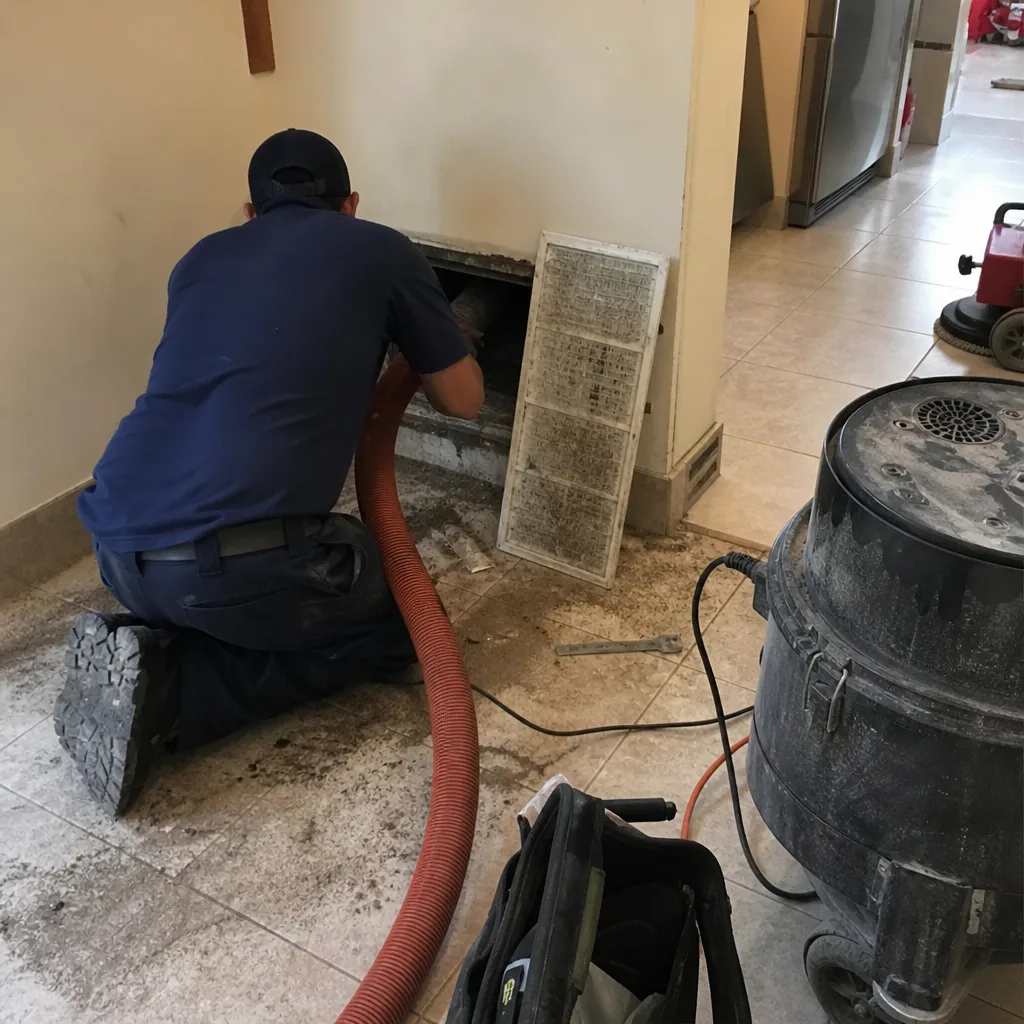 Before
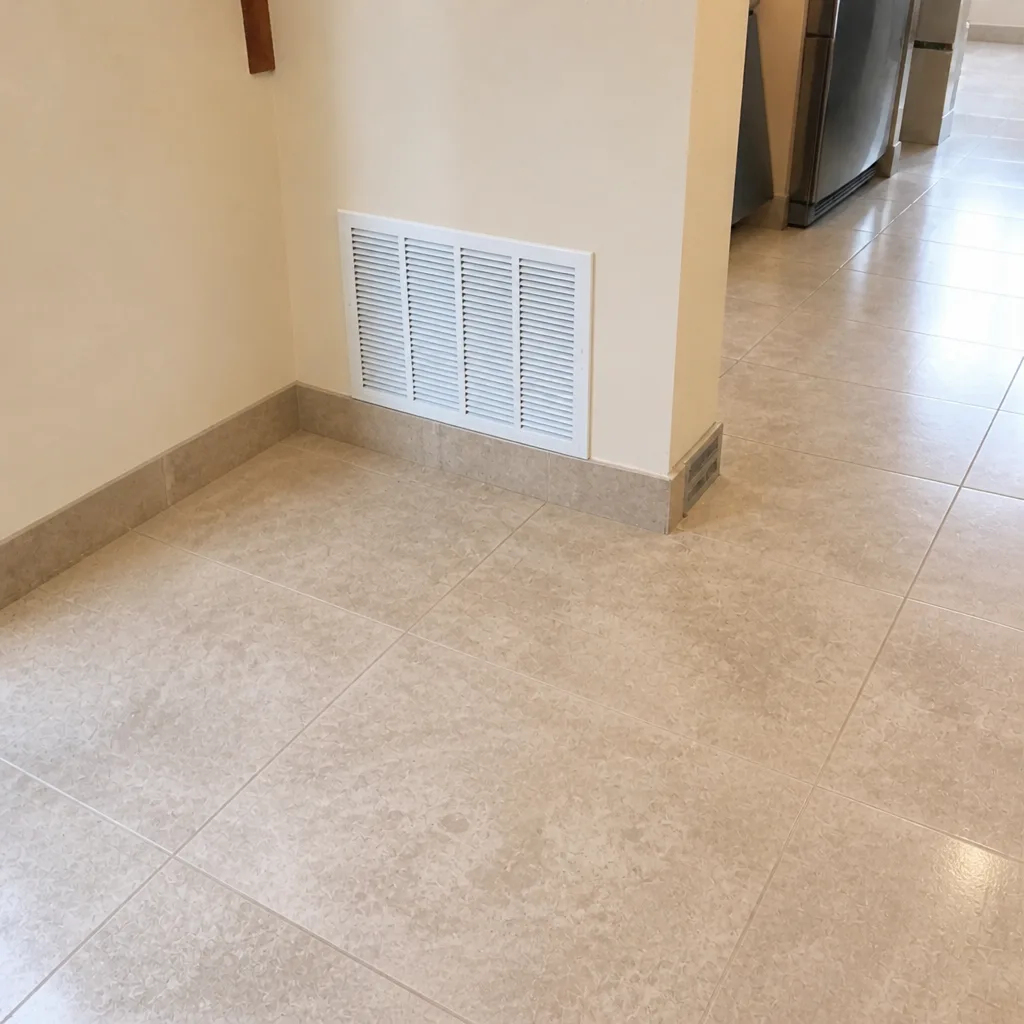 After
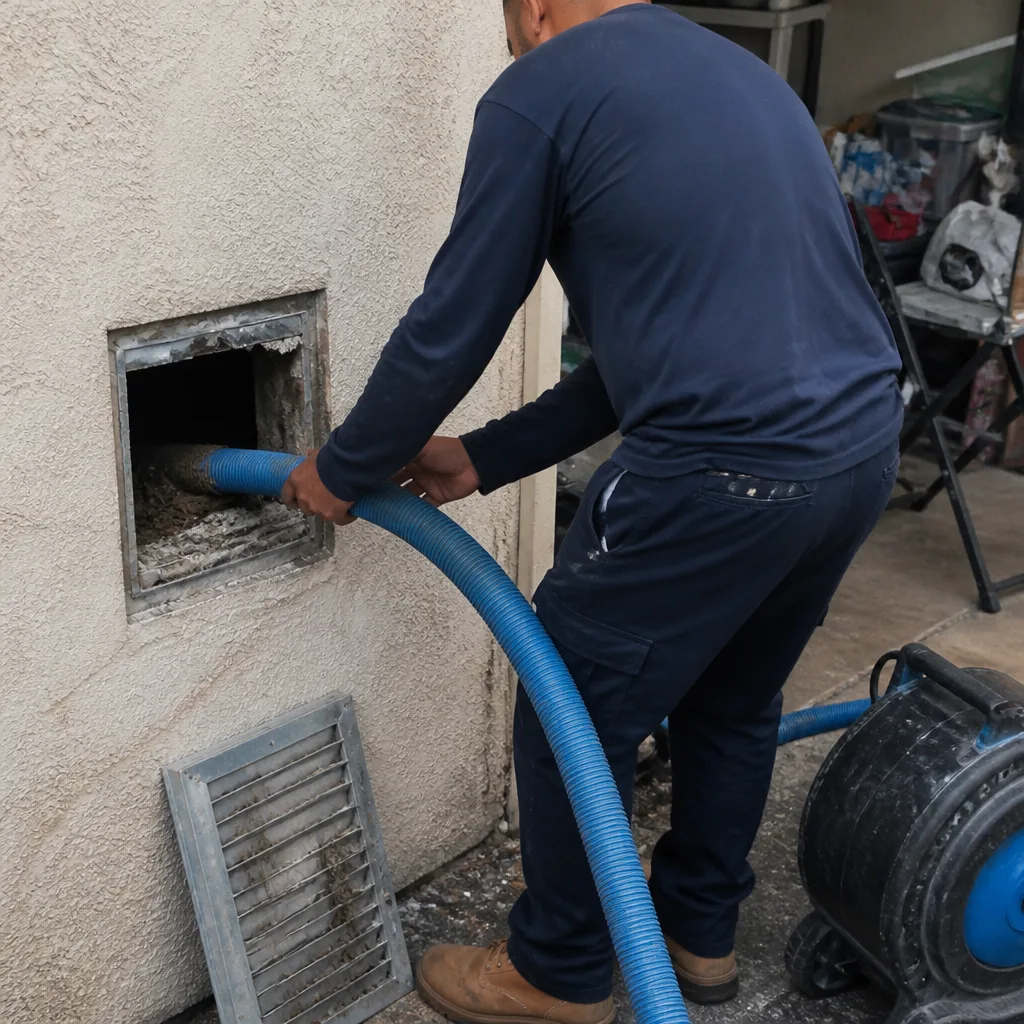 Before
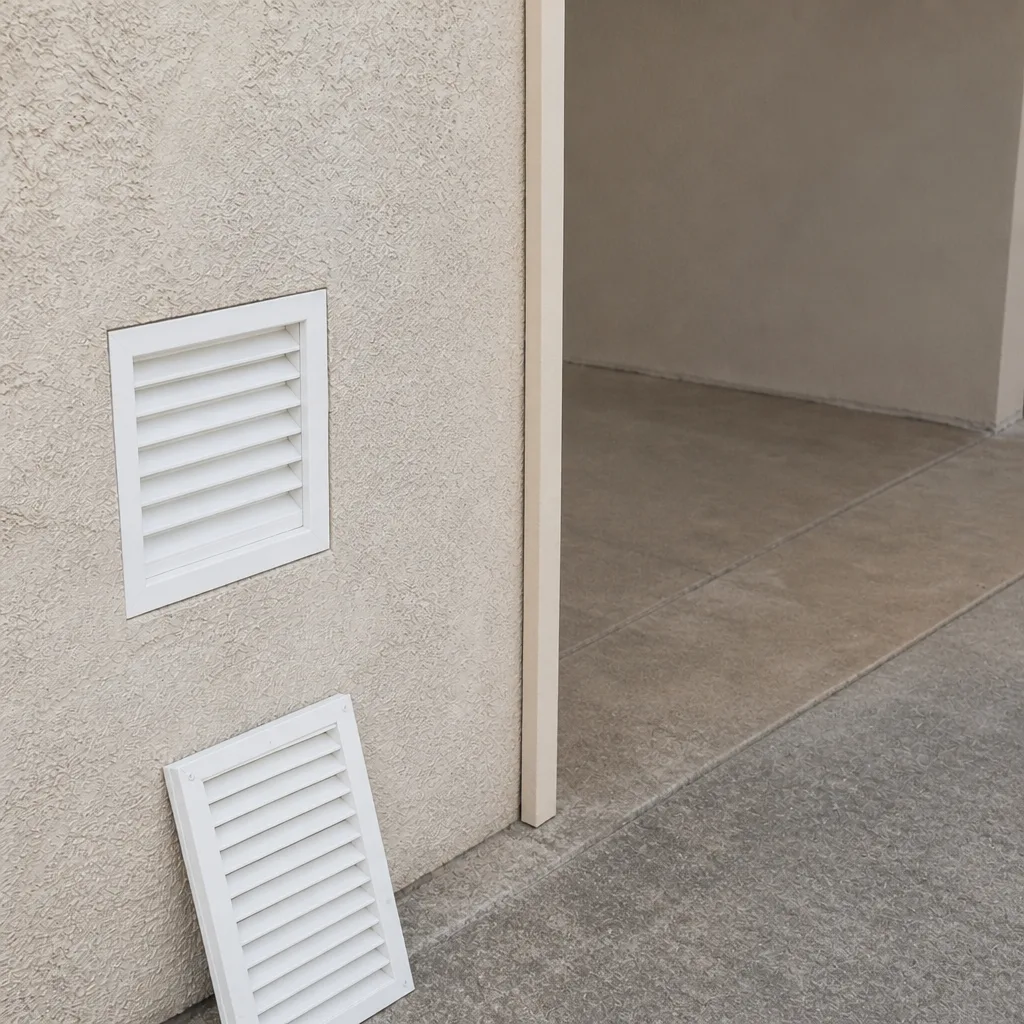 After
 Before
 After
When to Call a Professional
Call us when you’re not sure, or when you’ve found something. That’s the simple rule after a storm. The specific situations that warrant a call: any musty odor near the returns, visible water staining on ceilings or walls around a register, a wet or rusted air handler cabinet, a duct run that’s sagging or torn, visible insulation damage near ductwork, or simply a feeling that the system hasn’t behaved right since the storm. In Davie, after a named storm, an inspection is cheap insurance against a much larger contamination problem.
Our technicians have up to 8 years of experience, and they work with professional-grade equipment, not shop vacs. Duct Cleaning Davie offers free estimates in Davie. Call (833) 772-2601 to schedule a post-storm inspection. We answer 24/7. A call outside dispatch hours is booked into the next opening, Sunday through Friday, 7am to 7pm. Fast dispatch, 7am-7pm.
Frequently Asked Questions
Only if you’ve confirmed the duct system is dry and intact. Running the AC before checking for moisture is exactly the mistake that leads to mold spreading through the whole system. Inspect the air handler, visible duct runs, and registers first, and call a professional if anything looks or smells wrong.
Look for dark, matted insulation, rust on the cabinet or collars, standing water in the pan, water stains around registers, and sagging flex duct. A musty or earthy smell near the returns is a strong indicator even if everything looks dry. When in doubt, don’t run the system until it’s checked.
Inspection checks whether the system is dry, intact, and safe to run. Cleaning removes debris and contamination from a system that’s already been confirmed sound. You need the inspection first, because cleaning a system that still has a moisture source or a disconnected duct just re-contaminates it.
Often it can, if you can document the loss and the damage clearly. Photograph everything before you touch it, keep damaged material until the claim settles, and get a professional inspection report. We work with your insurer on storm claims and provide the documentation they ask for.
It depends on the size of the system and what the inspection turns up, which is why we don’t quote a number over the phone. We give a written estimate before any work starts, and the price is set per job by that estimate. Estimates are free. Call (833) 772-2601 to schedule one, and we’ll walk you through what we find.
Exposure varies a lot by house, even on the same street. The age and condition of your attic insulation, how well your register boots are sealed, whether your flex duct runs through a hot attic or a mechanical closet, and which way the wind drove the rain all affect what a system takes on. You can’t assume a clean result from a neighbor’s house. A quick inspection tells you what you’re dealing with.
The Bottom Line
Storm damage to ductwork in Davie isn’t a roof problem you notice from outside. It’s a moisture and debris problem that hides in attics and behind registers, and the cost of finding it is tiny compared to the cost of ignoring it. The protocol is straightforward: keep the system off until you’ve checked for water and debris, inspect before you clean, document everything for a claim, and have a duct-and-vent specialist look at anything that seems off. That’s the difference between a cleaning job and a full remediation. If the storm has passed and you’re unsure, call (833) 772-2601 for a free estimate. We answer 24/7. Fast dispatch from 7am to 7pm, Sunday through Friday. Duct Cleaning Davie serves Davie and the surrounding area with cleaning, repair, and IAQ upgrades under one roof.
For a full look at our services, visit Duct Cleaning Davie.
Written by the team at Duct Cleaning Davie.