
Last updated November 16, 2026
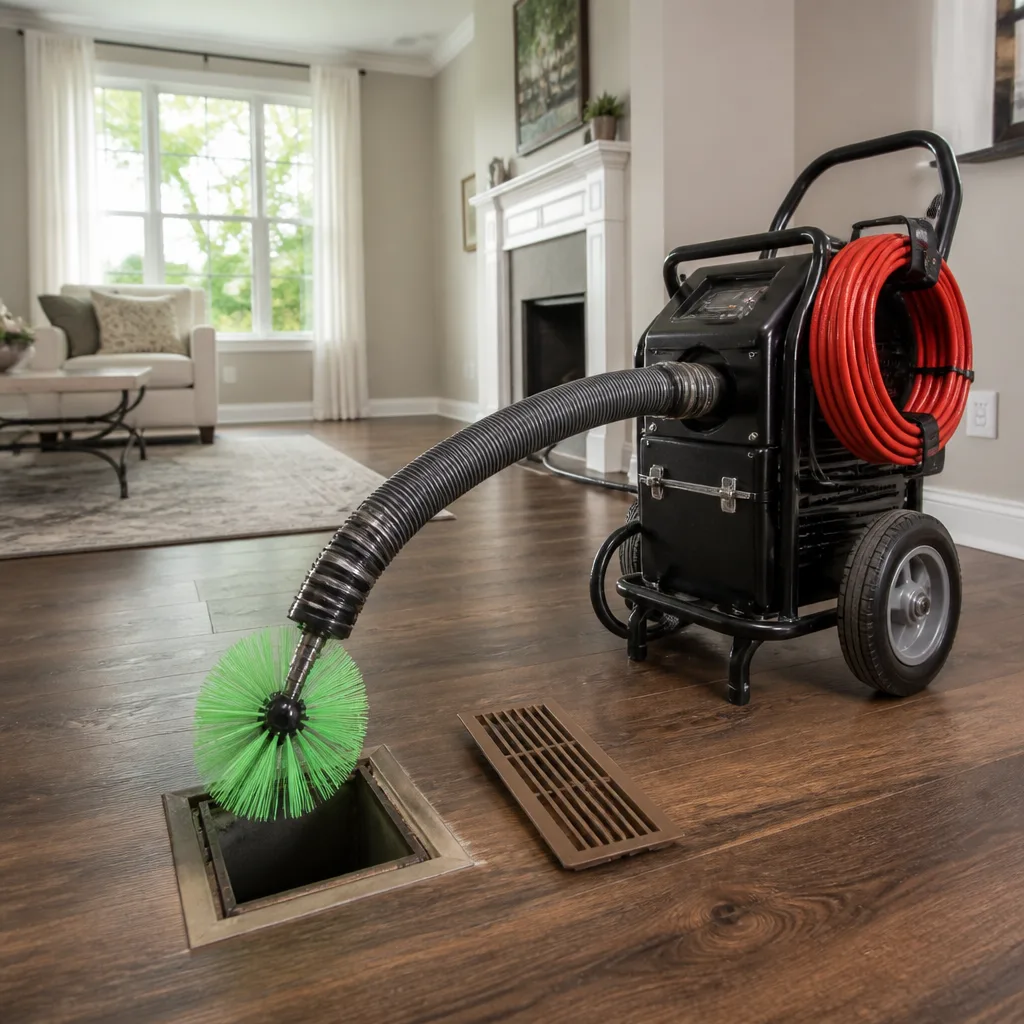 Whole-home duct cleaning
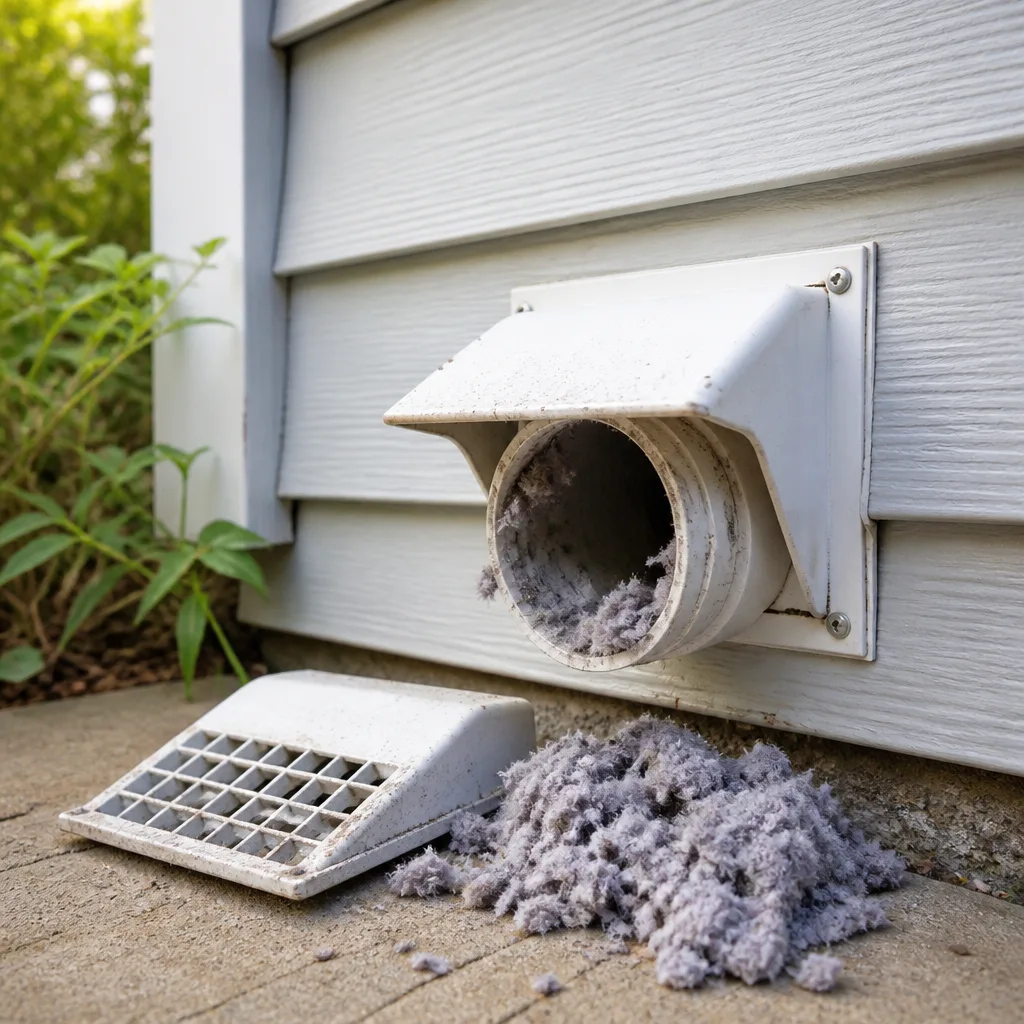 Dryer vent cleaning
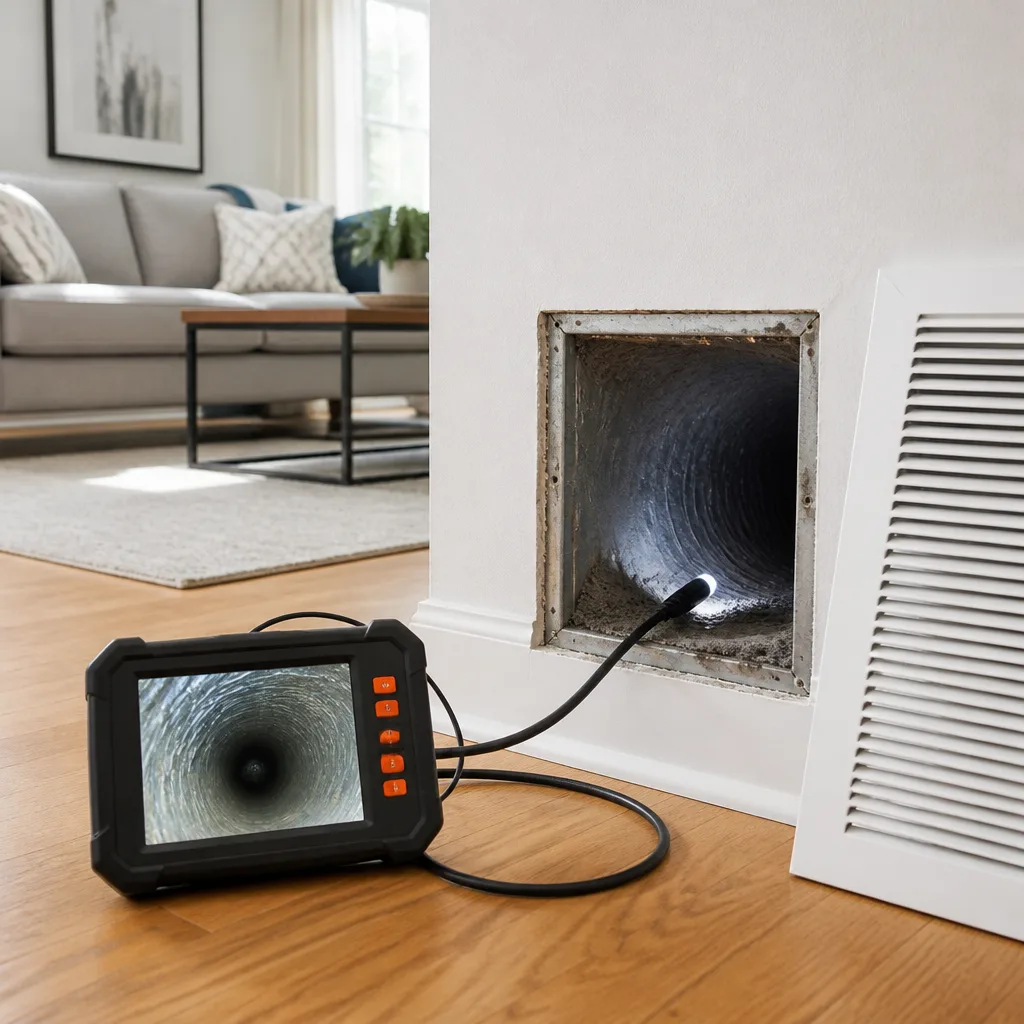 Camera inspection
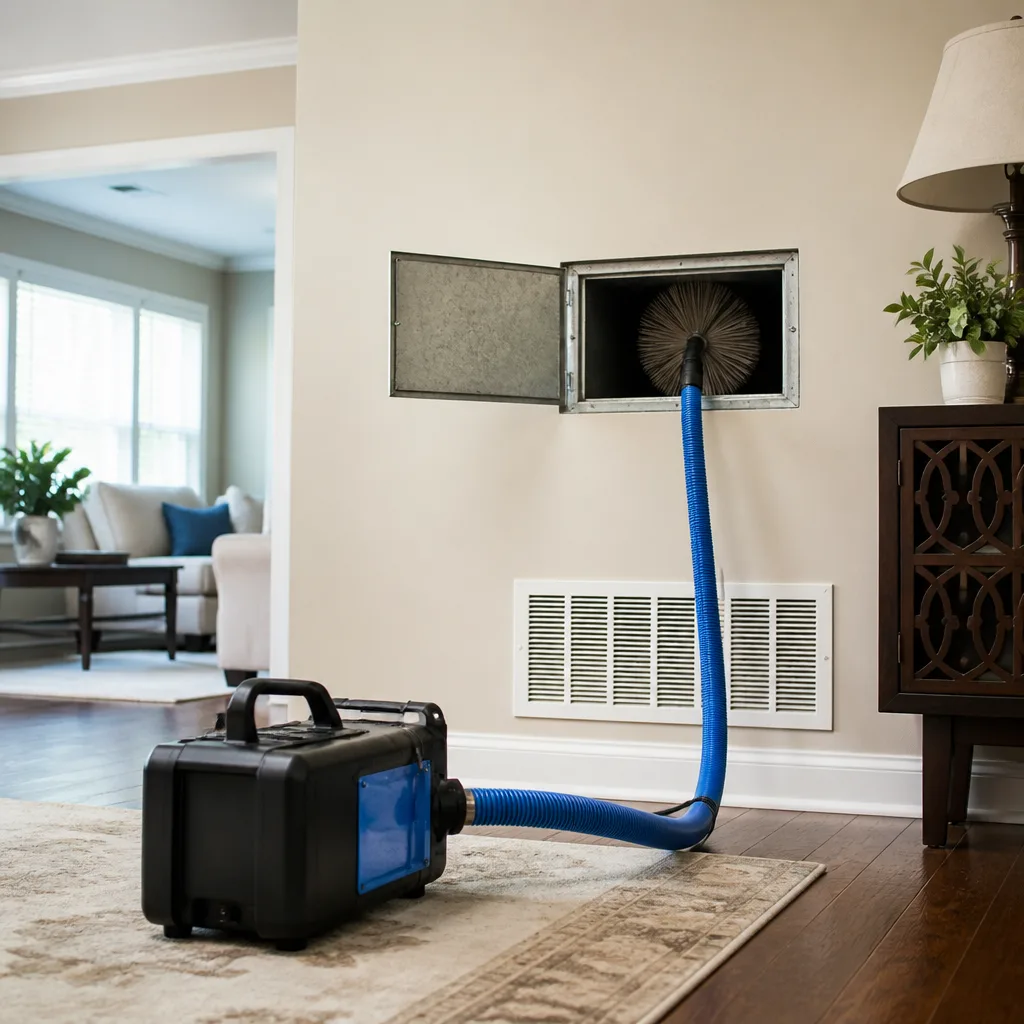 Sanitizing & deodorizing
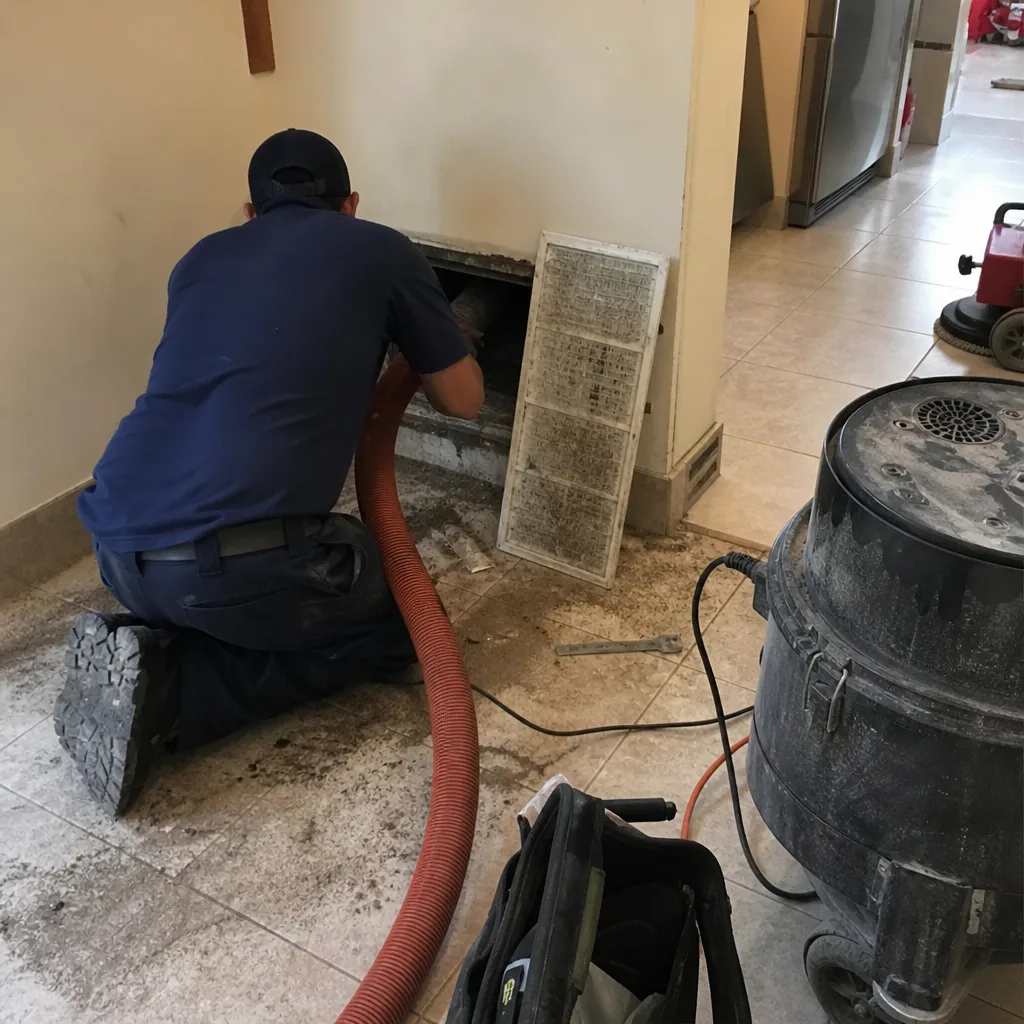
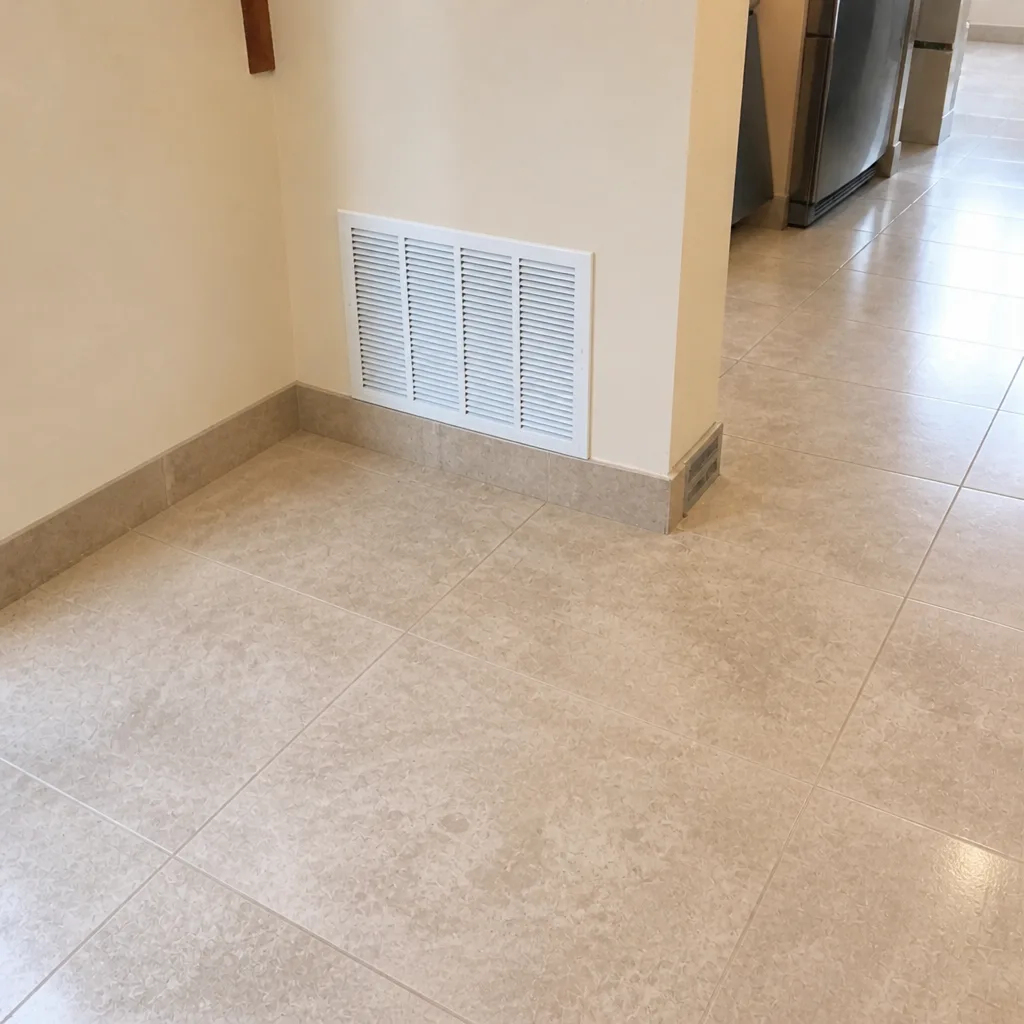
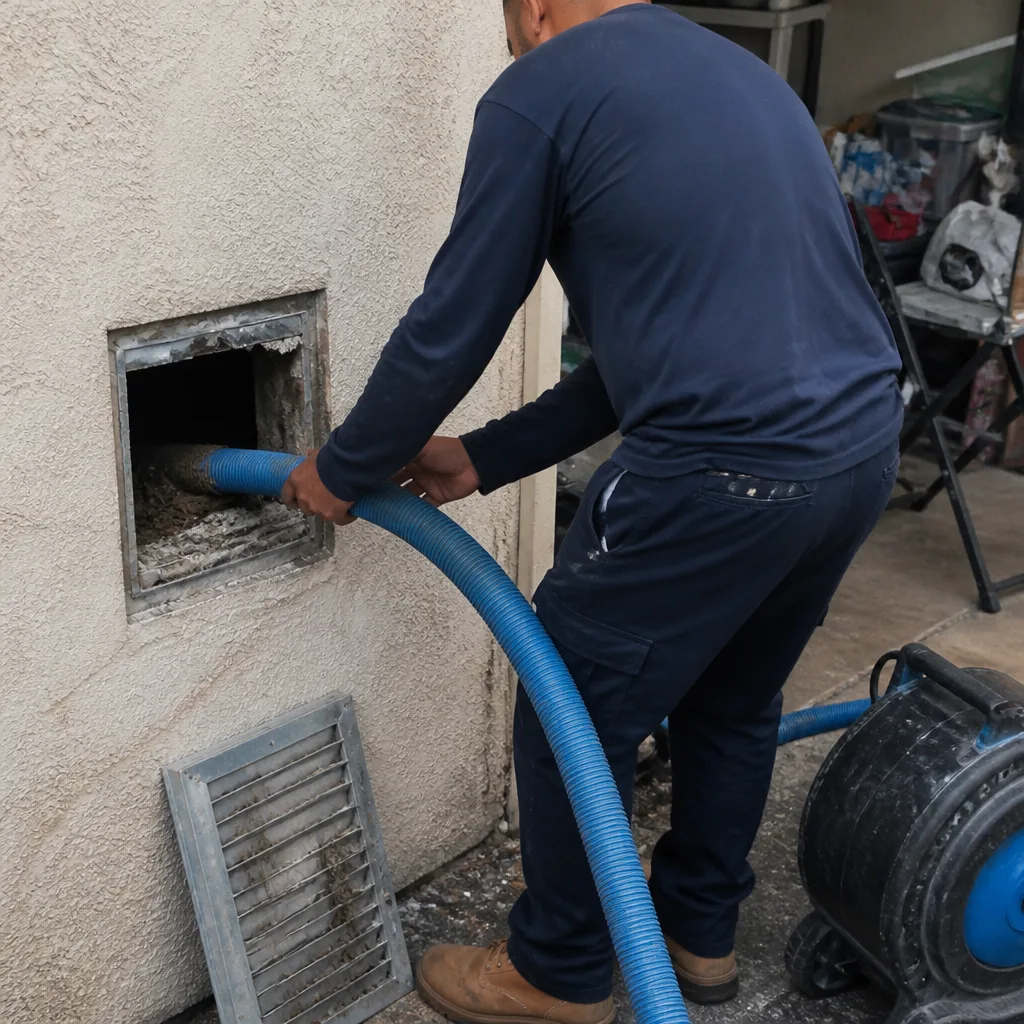
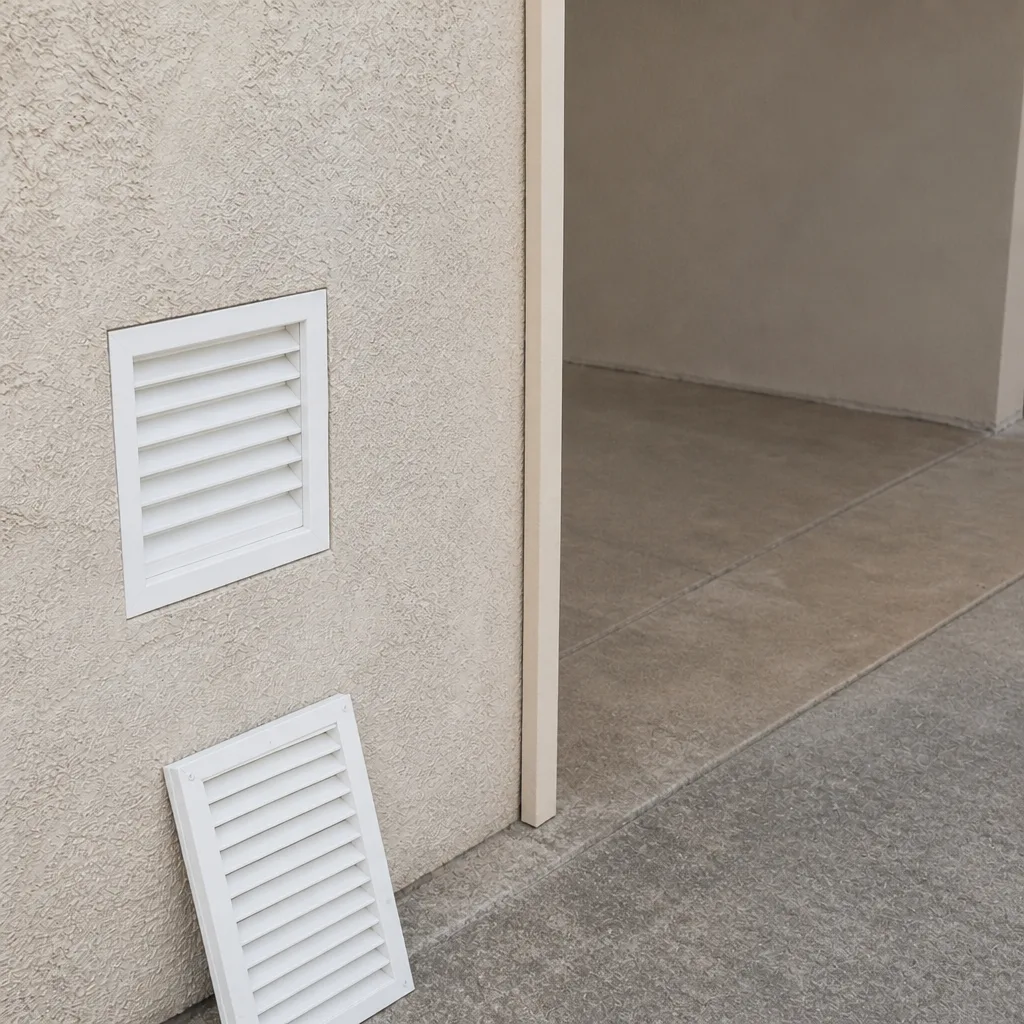
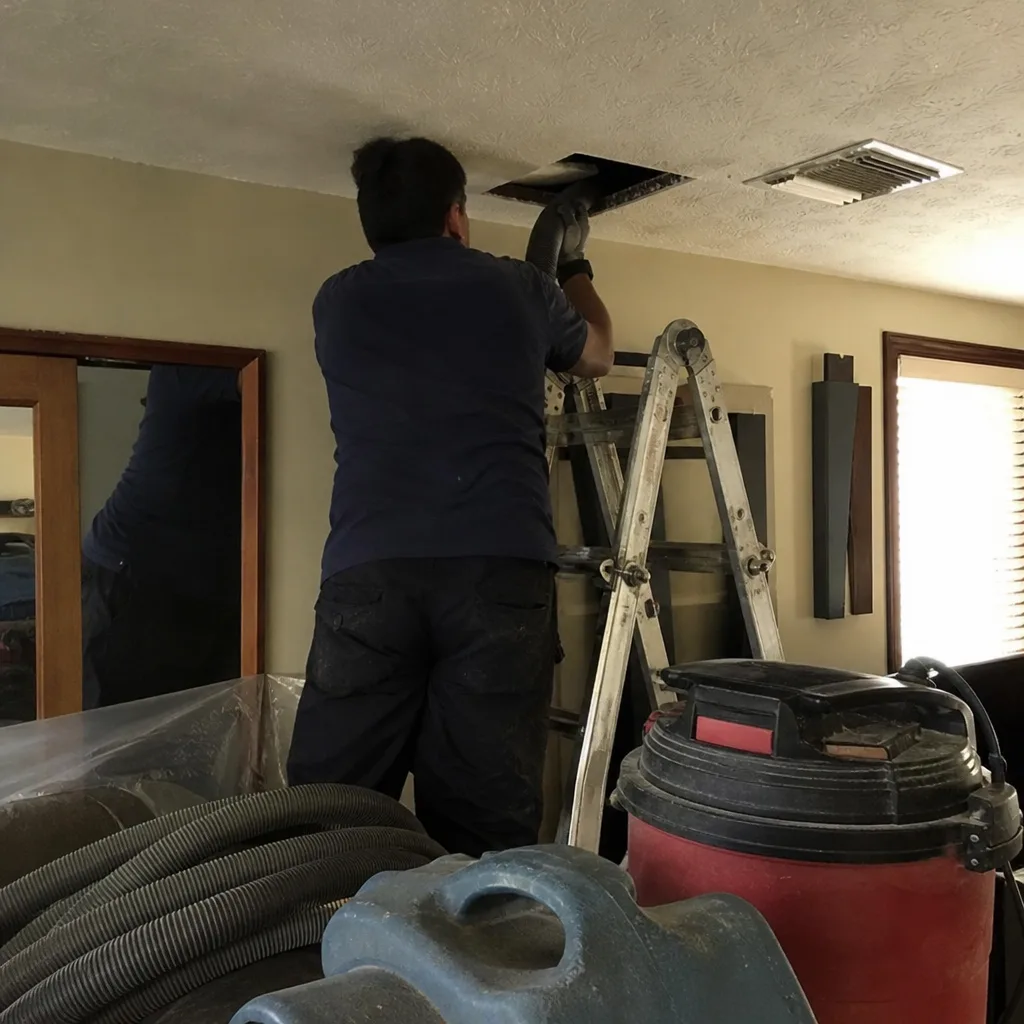
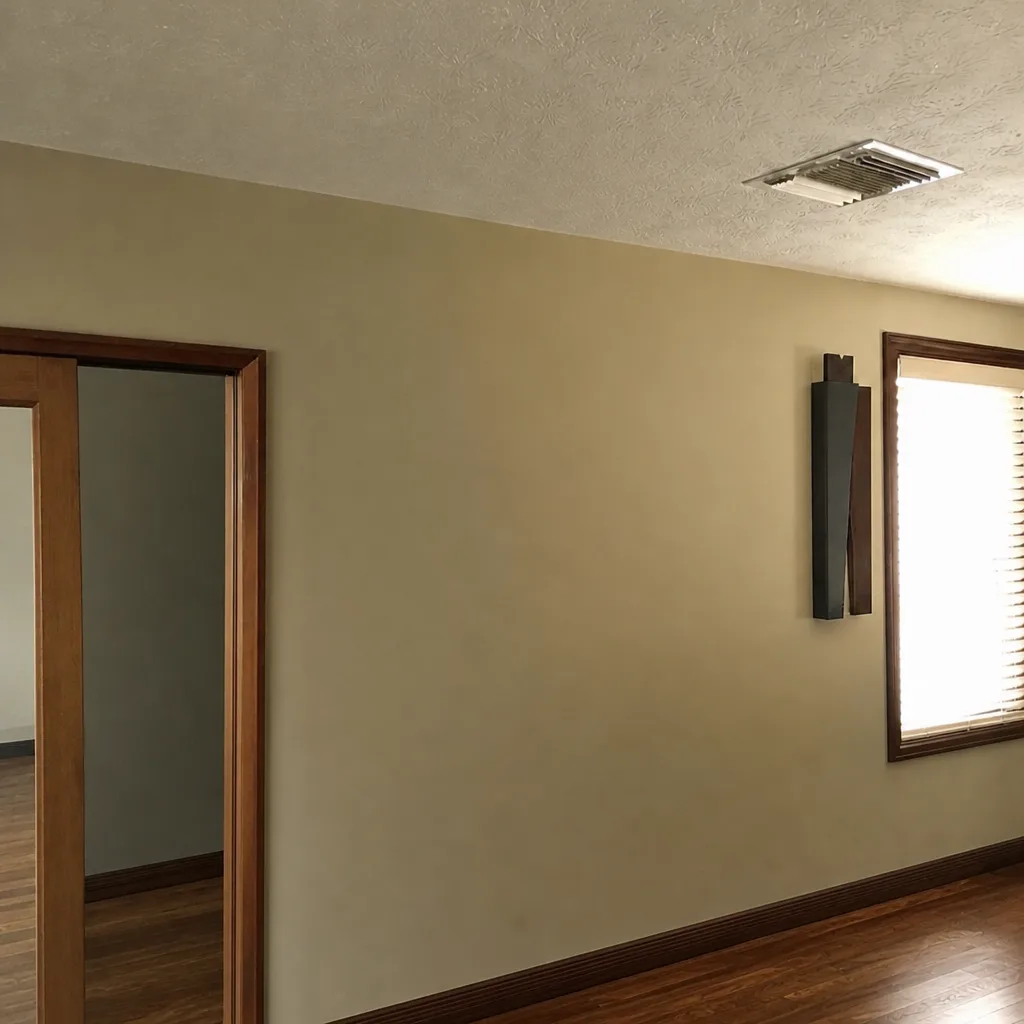
Whole-system duct and dryer vent check with before-and-after photos - you see exactly what came out of your vents
That "$99 whole-house special" is a bait ad - the real number appears once they are in your hallway, or the "clean" is a shop-vac at the register. We photograph the inside of your ducts before and after instead.
Air Duct Cleaning Maintenance Schedule: What to Do and When
The most repeated advice about duct cleaning is that you should do it every three to five years. That number gets passed around so often that most homeowners treat it as a rule. It isn’t. It’s a rough national average built for a temperate climate with a heating season and a long stretch when the system sits idle. Davie doesn’t have that rhythm. Your air handler runs most of the year, humidity stays high, and the ducts never really get a break. This guide lays out a maintenance schedule built around how air actually moves through a South Florida home, when to inspect, when to clean, and what monthly habits stretch the time between professional visits.
Quick Answer
In Davie, most homes need professional air duct cleaning every two to three years, not the three to five years you see quoted nationally. Households with pets, recent renovations, allergy sufferers, or a home older than about fifteen years often fall closer to the two-year mark. The single most useful timing window is October through November, right after hurricane season, when a post-season inspection catches moisture and debris before it settles in.
Styles & brands we work with
- Whole-home duct cleaning
- Dryer vent cleaning
- Camera inspection
- Sanitizing & deodorizing
Table of Contents
- Why the National 3-5 Year Rule Doesn’t Fit Davie
- The Davie Duct Maintenance Calendar
- Why October and November Matter Most
- A Tiered Schedule Based on Your Household
- Monthly Tasks That Stretch the Interval
- Timing Duct Cleaning With AC Coil Cleaning
- Warning Signs That Override Any Schedule
- Common Mistakes to Avoid
- When to Call a Professional
- Frequently Asked Questions
Why the National 3-5 Year Rule Doesn’t Fit Davie
That 3-to-5-year figure comes from a national recommendation that assumes your HVAC system spends a good part of the year switched off. In a climate where the air handler runs eleven months out of twelve, that assumption breaks down fast. Air moves through your ducts almost constantly, which means dust, pollen, and spores are being pulled in and redistributed almost constantly. The exposure is simply higher per calendar year than in a colder market.
Humidity is the other factor. Homes in Davie sit in a subtropical environment where relative humidity can stay high through most of the summer. Inside the duct system, that moisture works against you. Dust that lands in a dry climate stays powdery and loose. Dust in a humid home can cling to duct walls, and where condensation forms on cool surfaces, it gives mold and mildew a foothold. That’s why duct cleaning here is less about appearance and more about removing the material that holds moisture against the metal or flex duct.
There’s a third factor: AC runtime. Because the system cools for so many months, the evaporator coil stays wet for long stretches. A damp coil sheds moisture into the airstream, and that airstream carries it downstream into your ducts. So in Davie, the ducts and the coil age together. If you schedule duct work without thinking about the coil, you’re treating half the problem.
What this means in practice:
- Dust accumulates faster because the system is always moving air.
- Humidity makes that dust more likely to stick and hold moisture.
- Year-round cooling keeps the coil wet, feeding moisture into the ducts.
- A three-to-five-year national interval leaves most Davie homes overdue.
Our technicians have up to 8 years of experience working in this climate, and the pattern we see is consistent. Homes that schedule a cleaning every two to three years stay in noticeably better shape than those pushing five. If you want to start with the basics, our air duct cleaning service is the place to begin.
The Davie Duct Maintenance Calendar
A maintenance calendar turns duct care from an emergency response into a routine. The point isn’t to memorize dates. It’s to build a rhythm that matches how your home and the climate behave. Here’s the schedule we recommend for Davie homeowners, broken into seasons.
Spring (March through May)
This is when the cooling season ramps up. Most homes go from occasional AC to full-time runtime. Before that happens, get ahead of the load.
- Replace your air filter at the start of the season and note the date.
- Walk the house and check every supply register for visible dust streaks or dark edging.
- Inspect the return grilles, which collect the most debris.
- Check the condensate drain line and pan for standing water or slime.
- If it’s been two or more years since your last cleaning, book it now, before the summer rush.
Summer (June through September)
Peak humidity and peak runtime. During these months the system is working hardest, and duct problems show up fastest. Watch for musty odors, uneven cooling between rooms, and dust returning to surfaces within days of cleaning.
Fall (October through November)
Hurricane season ends. This is the most valuable inspection window of the year, and the next section explains why in detail. If you only book one professional visit, make it this one.
Winter (December through February)
Cooler and drier, but the AC still runs. Use this quieter stretch to handle any repairs flagged during the fall inspection, and to plan filtration upgrades. A professional-grade filter setup can be fitted during the same appointment so it’s ready before the next cooling season.
Bookmarking this rhythm is the difference between reactive cleaning and a real schedule. If you want a working calendar for the whole home, the Davie resource page covers local service basics alongside it.
Why October and November Matter Most
If you take one thing from this guide, take this: the weeks right after hurricane season are the highest-value time to inspect your ducts in Davie. Not because the system is dirtier than in June, but because the fall window combines several risks at exactly the wrong moment.
Pressure changes. A storm passing near or over South Florida brings rapid barometric swings. Homes aren’t perfectly sealed, and duct systems connected to the outside through returns and fresh-air intakes can pull in air when pressure outside drops. Even a modest pressure differential can push humid outdoor air into the duct system and onto cool surfaces.
Moisture intrusion. This is the real concern. Wind-driven rain can find its way into attics and around duct penetrations. In a subtropical climate, any moisture that gets inside a duct system turns into a habitat problem quickly. Flex duct in particular can trap moisture in its inner liner if it gets wet and isn’t dried properly.
Debris infiltration. Storm winds carry leaves, roof grit, and fine debris. If a duct or vent connection is loose, or if a return near a vented attic has a gap, that material works its way in.
An October or November inspection catches all three problems before they settle in for the winter. It’s also when humidity starts to ease, which makes it easier to dry out any moisture found and verify the duct system is back to normal. A fall inspection is the difference between finding a small tear early and discovering a bigger problem after months of exposure.
During a professional inspection, we use Abatement Technologies air filtration equipment to capture dislodged material as it’s disturbed, so anything the inspection loosens doesn’t re-enter your living space. That’s a detail a lot of residential-only cleaners skip.
A Tiered Schedule Based on Your Household
No single interval works for every home in Davie. Two houses on the same street with the same square footage might need different schedules because of who lives in them and what the house has been through. Here’s how the variables shift the interval.
Pet owners
Pets add hair, dander, and tracked-in debris to the return air. A home with one or two dogs should target cleaning every two years. Homes with multiple large, heavy-shedding breeds often benefit from a professional inspection annually, cleaning as needed.
Recent renovation
Any drywall work, flooring replacement, or major interior remodel generates fine dust that keeps circulating long after the contractors leave. Schedule a cleaning within a few weeks of the project’s completion, then reset the two-to-three-year clock. If the renovation involved removing walls or adding rooms, have the ducts checked for disconnected or crushed runs while you’re at it.
Allergy and respiratory sensitivity
Households with allergy sufferers, asthma, or young children benefit from a proactive schedule of every eighteen months to two years. Pairing cleaning with a higher-grade filtration setup, such as a Honeywell or Aprilaire system, pays off here. Those in-line systems catch more of the fine particles that trigger symptoms, which means fewer particles in the ducts to begin with.
Home age
Homes older than roughly fifteen years often have duct systems with small leaks, worn insulation, or flex runs that were installed with less attention than today’s standards. Older homes should start with a full inspection, then set the cleaning interval based on what that inspection finds. Duct repair can be done by the same team if damage turns up, so you aren’t handed off to a second contractor.
Occupancy
A vacation home or rental that sits empty for long stretches can actually accumulate more because the air is stagnant and dust settles instead of being filtered. Get those inspected on the same fall cycle.
The general rule: if two or more factors apply, move your interval down, not up. A home with a dog, a kid with allergies, and a recent kitchen remodel is a two-year-cleaning home at most.
Monthly Tasks That Stretch the Interval
What you do between professional cleanings matters as much as the cleanings themselves. These aren’t complicated tasks, but they’re the difference between a system that stays cleaner longer and one that clogs up a year after you paid for a cleaning.
- Replace the air filter every one to three months. In Davie, plan on every 60 days during summer, when the system runs hardest. A clogged filter makes the air handler work harder, raises energy use, and lets more dust slip past into the coil and ducts.
- Check supply registers monthly for streaks. Dark, streak-like dust patterns around a register mean dust is being blown through it. Note which registers show it and mention them when you book service.
- Inspect the return grilles. Returns collect more and coarser debris than supplies. Vacuum the face of the grille and check that it’s not blocked by furniture or curtains.
- Look at the condensate drain. Standing water or slime in the drain line or pan is a moisture red flag. A clogged drain can overflow into the air handler and set up the exact moisture conditions that make your ducts worse.
- Check for musty smells. A persistent smell when the AC kicks on, especially in one room, is a sign that moisture is collecting somewhere in the system. Note the room and mention it when you call.
These habits don’t replace professional cleaning. They stretch the time between visits by helping the system stay drier and less loaded. If you want a full picture of the everyday habits that matter most, our dryer vent cleaning page covers the parallel routines for the vent side of your home’s air handling.
Timing Duct Cleaning With AC Coil Cleaning
Duct cleaning and AC coil cleaning work on the same system, so timing them correctly multiplies the benefit. Do them at the wrong time and they undo each other. Do them together and they compound.
The basic relationship is this: the coil is where air gets cooled and dehumidified, and the ducts are where that air travels. Dirty coil, clean ducts, and you’re blowing air across a grimy surface before it ever reaches your rooms. Clean coil, dirty ducts, and the ducts feed dust back onto the coil. Neither works in isolation.
Here’s how we time them:
- Check both in the same inspection. A duct inspection is the natural moment to look at the coil and condensate setup. If the coil has visible buildup, note it for the same visit.
- Clean the coil first if it’s fouled. Coil cleaning is what restores cooling efficiency and dehumidification. Ducts cleaned after a fouled coil stay cleaner because there’s less material being shed downstream.
- Clean the ducts after the coil and air handler are addressed. This captures the debris the coil work disturbed, so you get a genuinely clean system rather than one displaced from the coil into the ducts.
- Install filtration upgrades at the same appointment. A Honeywell or Aprilaire filter system protects both the coil and the ducts going forward. Fitting it while the system is already open and verified saves a second visit.
- Reset the clock from the coil-clean date. Note the month in your maintenance calendar. That’s your anchor for the next round.
Doing the two together is also the most cost-effective approach because it’s one appointment instead of two. We do this as an integrated visit, not a pair of separate contractors. Setting up a duct cleaning without addressing the coil in a humid climate means leaving the biggest moisture source in place. Combined, the benefit lasts longer and you’re not paying twice for similar work.
Warning Signs That Override Any Schedule
A calendar is a planning tool, not a rulebook. Certain conditions mean you should schedule an inspection now, no matter how recently you had a cleaning. Any one of these is a reason to pick up the phone.
- Persistent musty or moldy smell. If the smell appears whenever the AC runs and stays, moisture is collecting somewhere in the system. In Davie’s humidity, this is the most common warning sign and the one that most often gets ignored.
- Visible dust around registers within days of cleaning. If dust is back on surfaces quickly after a home cleaning, the ducts are distributing it. That points to debris still inside the runs.
- Uneven cooling between rooms. One room stays warm while another cools well. This can mean a crushed, disconnected, or blocked duct run, and it’s worth checking before you spend money chasing thermostat or equipment problems.
- Visible debris or dark patches inside a register. Pop the register cover and look with a flashlight. If you see debris, dark buildup, or anything that looks like growth, get it inspected.
- Recent water intrusion or storm damage. Any water that reached the ducts, whether from a drip, an overflow, or a storm, needs checking. Wet flex duct insulation is a problem that gets worse the longer it sits.
- Pest activity. Rodents and insects get into ductwork through small openings. If you’ve had a pest problem in the attic, check the ducts too.
- A recent renovation. If construction dust settled in the system, don’t wait for the calendar.
Any of these can turn a small repair into a bigger one. A trained eye can find the source quickly with professional cameras and lighting, which is what we use on every inspection.
Common Mistakes to Avoid
- Following the national 3-5 year rule in Davie. The interval assumes a system that sits idle for part of the year. In a climate where the AC runs eleven months of the year, it leaves most homes overdue. Set your own interval based on runtime, humidity, and household factors.
- Skipping the fall inspection because the summer felt fine. Damage from moisture intrusion and pressure changes during hurricane season doesn’t always announce itself. An October or November check catches it before it spreads.
- Cleaning the ducts but never the coil. A wet, fouled coil keeps feeding moisture and debris into freshly cleaned ducts. Time the two together so the coil stops being the source.
- Hiring a company that uses consumer-grade vacuums. A shop vac and a wand can make a duct look cleaner without actually removing the material from the system. Real cleaning requires professional-grade negative-pressure equipment like the Rotobrush or Nikro systems we use.
- Ignoring the dryer vent because it isn’t part of the AC. A lint-clogged dryer vent is a fire hazard, not just an airflow issue. It belongs on the same maintenance calendar and doesn’t get better with time.
- Using a cheap coupon price as the main criterion. A very low advertised price usually means per-vent pricing that climbs once the technician is on site. A written, whole-system price agreed before work starts is the only figure you can compare.
- Waiting for a smell or visible dust before booking service. By the time you smell mustiness or see dust returning, the buildup is already substantial. The point of a schedule is to catch it before symptoms appear.
When to Call a Professional
Some tasks belong in a homeowner’s weekly routine: filter changes, register checks, a look at the condensate drain. Other tasks need the right equipment and the right set of eyes. Call a professional when you notice any of the warning signs above, when your home falls into one of the higher-frequency tiers, when you’ve had a renovation or water intrusion, or when it’s been two years or more since your last cleaning in Davie. A professional inspection finds small problems like a disconnected run or a small tear before they turn into a system-wide issue. Our technicians arrive with the same equipment used in commercial duct work, so the inspection is thorough and the findings are accurate.
We offer free estimates in Davie. Call (833) 772-2601. We answer 24/7. Fast dispatch from 7am to 7pm, Sunday through Friday.
Frequently Asked Questions
In Florida, the typical interval is every two to three years, faster than the national three-to-five-year guideline. The reason is simple: the AC runs nearly year-round, humidity stays high, and the coil stays wet much of the year, so dust and moisture build up faster than in cooler climates. Homes with pets, allergies, or recent renovations often need cleaning closer to every two years, and a post-hurricane-season inspection each fall is the best way to catch problems early.
If you’re not sure where your home falls, call (833) 772-2601. We answer 24/7. Fast dispatch from 7am to 7pm, Sunday through Friday.
Yes, and it’s one of the easiest ways to extend the interval. A clean, correctly sized filter changed every one to three months catches a meaningful share of dust before it reaches the ducts, so the system loads up more slowly. A clogged filter does the opposite and lets more dust through to the coil and ducts. In Davie’s summer, plan on changing the filter about every 60 days, and higher-grade filtration systems like a Honeywell or Aprilaire setup catch even more of the fine particles.
Yes, it’s the most valuable inspection window of the year in Davie. Storm barometric pressure swings, wind-driven moisture, and debris can all work their way into a duct system between June and November. Checking in October or November catches moisture intrusion and debris before it settles in for the winter, when the home is closed up more. A clean bill of health after the season also gives you peace of mind through the holidays.
No, a shop vacuum won’t clean a duct system effectively, and it can make things worse by stirring up debris into the living space. Real duct cleaning requires professional-grade negative-pressure equipment and tools that reach inside the runs. The Rotobrush and Nikro systems we use are the same equipment brands trusted in commercial duct cleaning, which is what it takes to actually remove material rather than just move it around.
Yes, and we recommend it. Coil cleaning and duct cleaning address the same system, so doing them together is more effective and more efficient than booking them separately. The coil work gets done first, then the ducts are cleaned after, so any debris disturbed during coil work is removed from the system rather than displaced into your rooms. It’s also the most cost-effective approach because it’s one appointment instead of two.
October and November are the best window in Davie. Hurricane season is over, humidity has eased, and any moisture or debris from the summer can be identified and dealt with before the winter. Spring, before the cooling season starts in earnest, is the second-best window if you missed the fall. Avoid scheduling in the middle of peak summer and peak demand.
To book your inspection, call (833) 772-2601. We answer 24/7. Fast dispatch from 7am to 7pm, Sunday through Friday.
The Bottom Line
A duct maintenance schedule in Davie is not a fixed national number; it’s a rhythm built around the local climate. The key takeaways: the three-to-five-year interval most homeowners hear is too long for South Florida, most homes need cleaning every two to three years, and households with pets, allergies, recent renovations, or older homes need it sooner. The fall window after hurricane season is the most important inspection time of the year. Monthly habits like filter changes and register checks stretch the interval. Timing duct cleaning with AC coil cleaning multiplies the benefit of both. And warning signs like musty odors, uneven cooling, or visible debris override the calendar and warrant an immediate inspection.
If you’re ready to build a maintenance plan for your home, Duct Cleaning Davie is here to help. Call (833) 772-2601 for a free estimate. We answer 24/7. Fast dispatch from 7am to 7pm, Sunday through Friday.
Written by the team at Duct Cleaning Davie.
See the difference
 Before
 After
 Before
 After
 Before
 After