
Last updated November 16, 2026
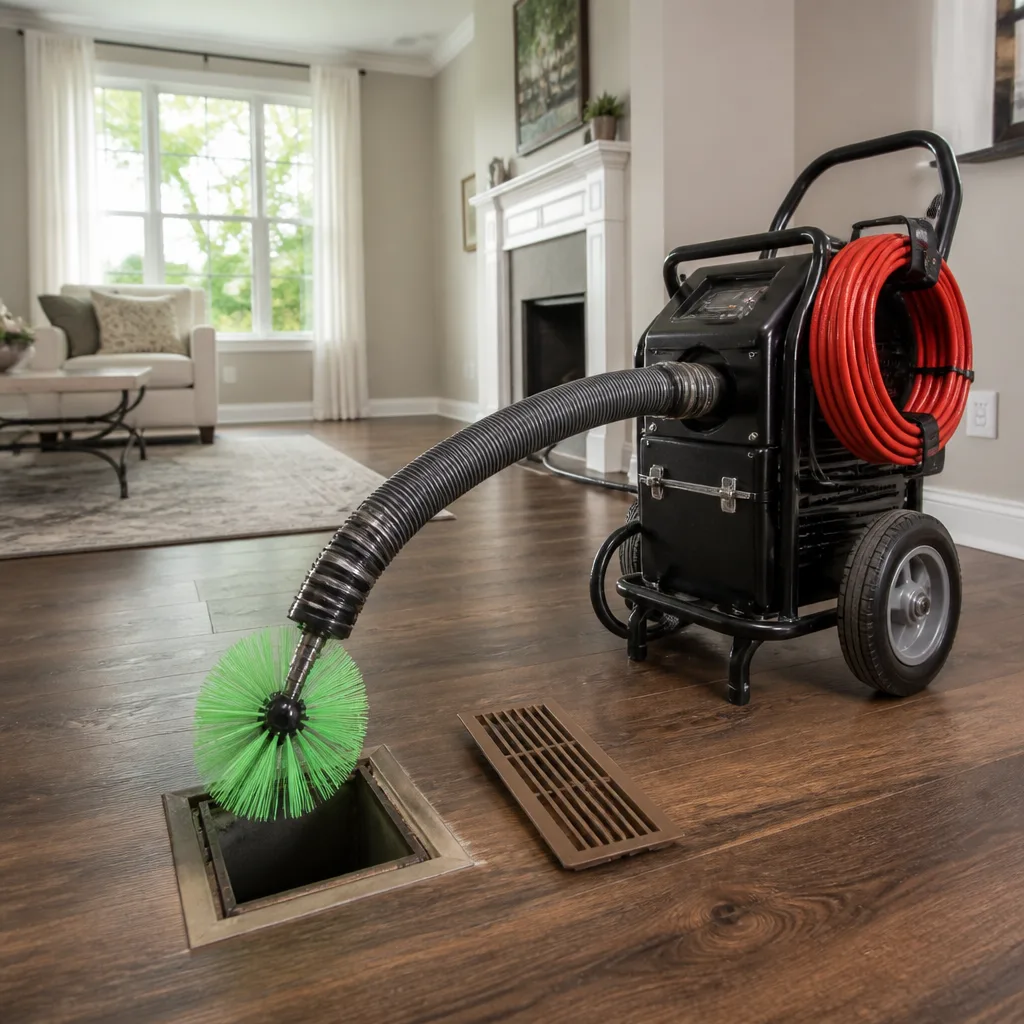 Whole-home duct cleaning
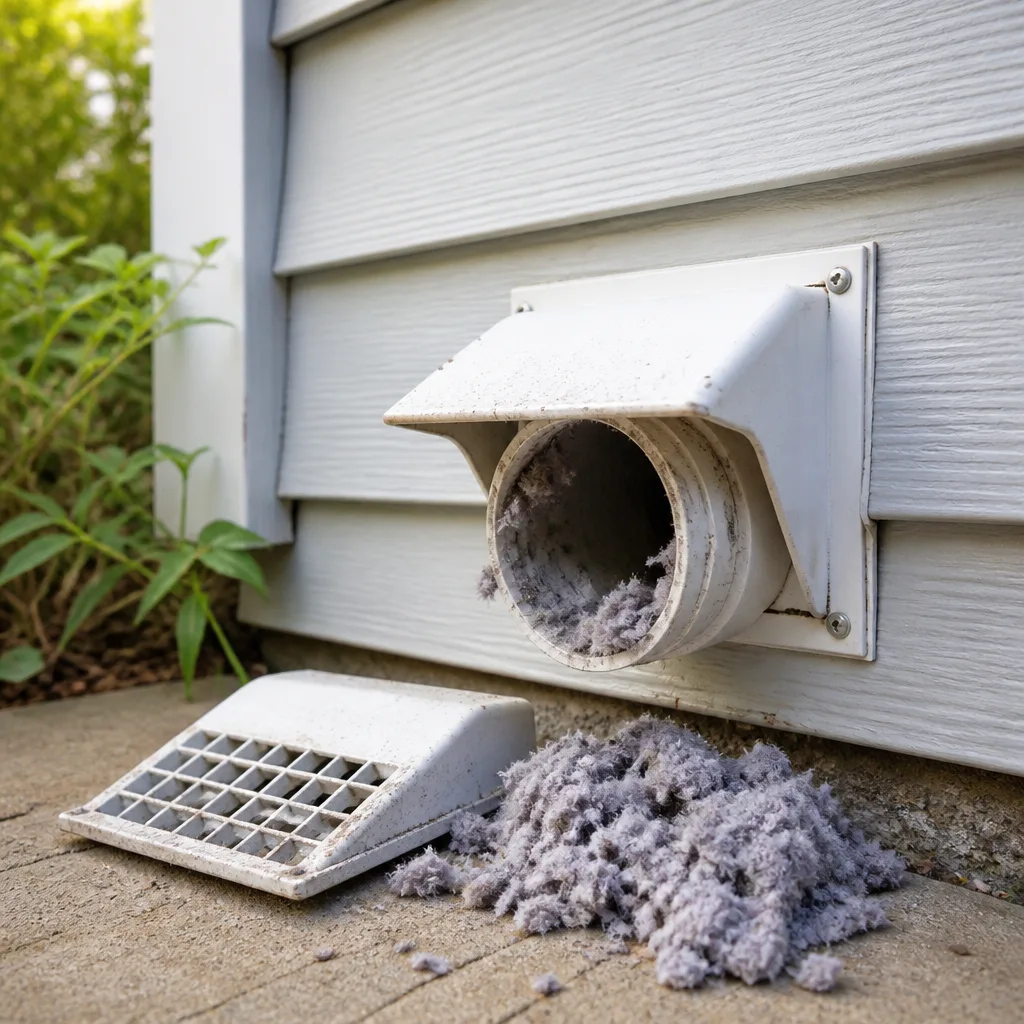 Dryer vent cleaning
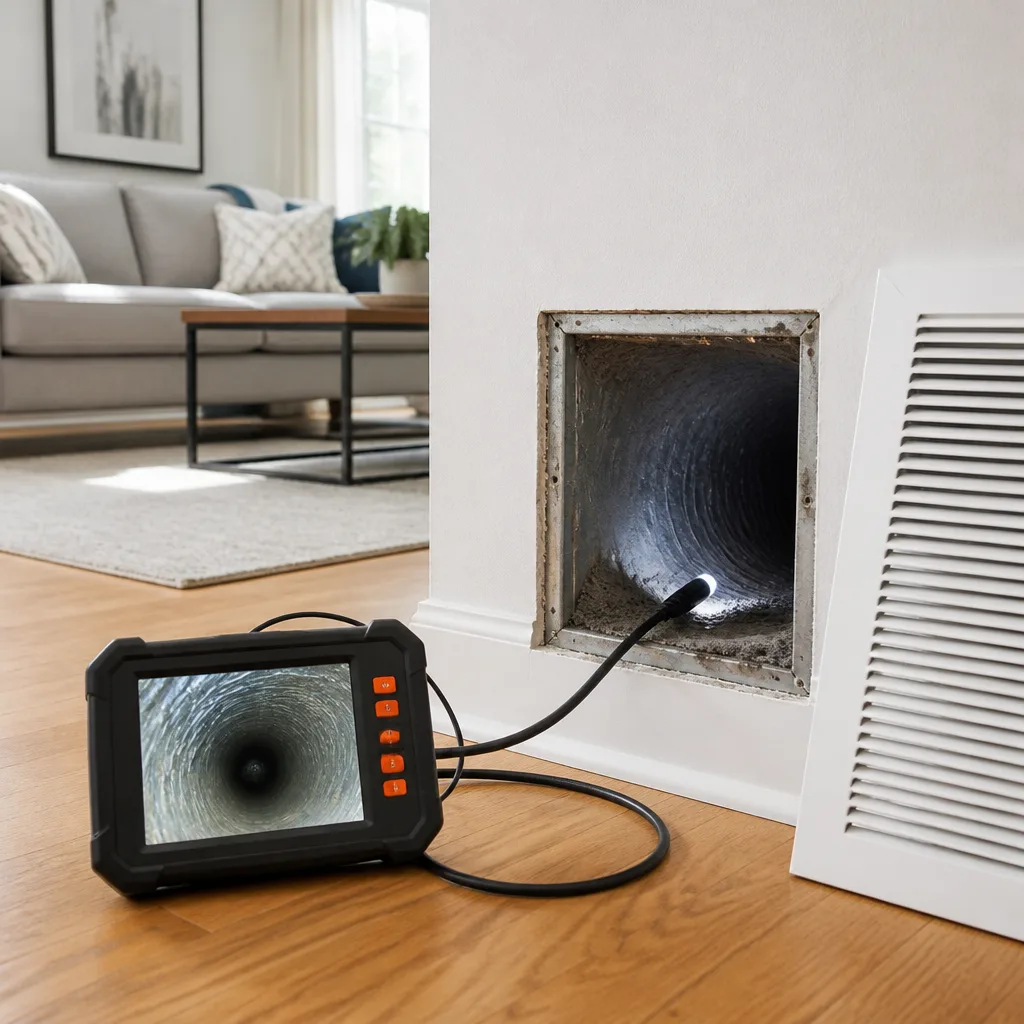 Camera inspection
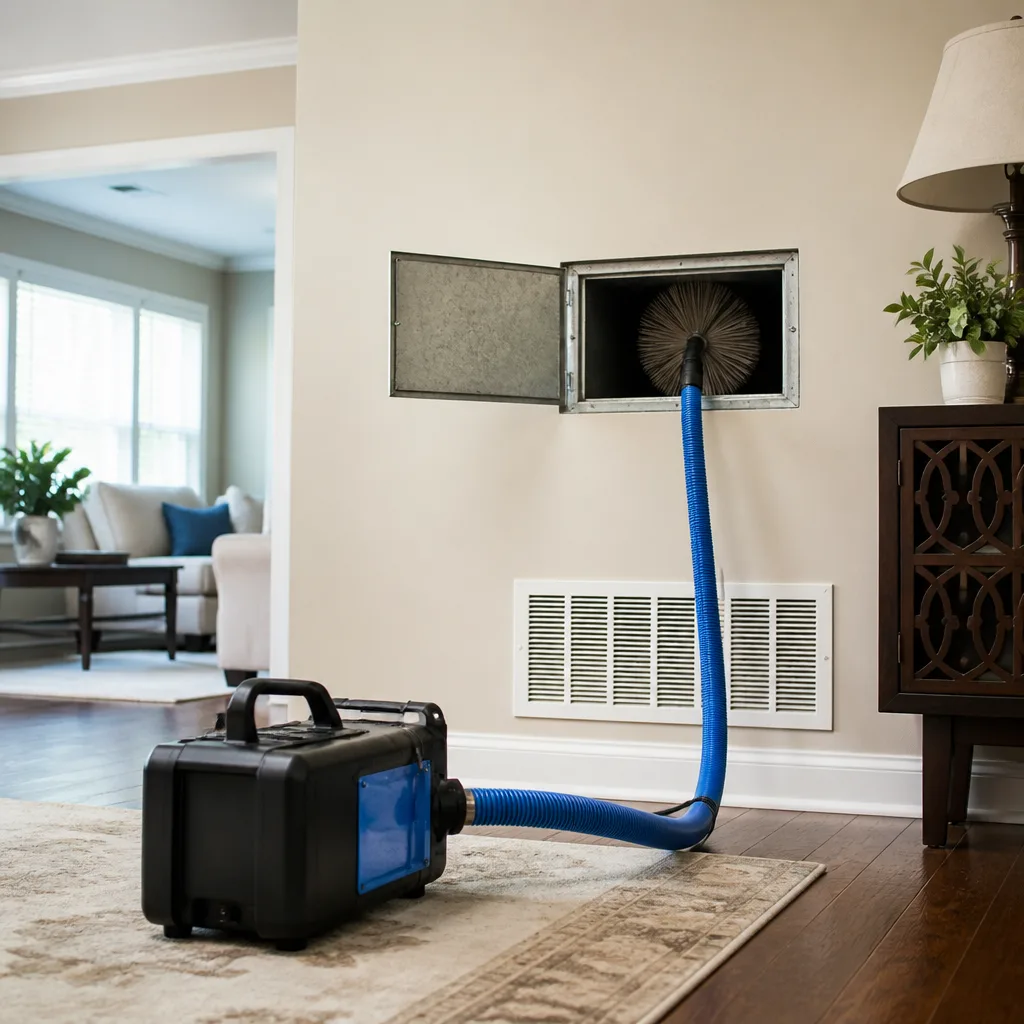 Sanitizing & deodorizing
Whole-system duct and dryer vent check with before-and-after photos - you see exactly what came out of your vents
That "$99 whole-house special" is a bait ad - the real number appears once they are in your hallway, or the "clean" is a shop-vac at the register. We photograph the inside of your ducts before and after instead.
Air Duct Cleaning Warning Signs: A Davie Homeowner’s Reference Guide
Most homeowners call a duct specialist when something has already failed. The AC stops cooling, a room never gets comfortable, or the smell in the hallway stops being ignorable. But duct systems rarely fail without warning. They telegraph their problems for months through signals most of us learn to live with: a faint musty odor, a bedroom that runs two degrees warmer than the rest of the house, a power bill that creeps upward without explanation. In Davie’s humid subtropical climate, those early signals carry real weight. This guide decodes the specific warning signs a Davie home shows when its duct system is heading for trouble, so you’re diagnosing early instead of reacting to a crisis that a smaller fix could have prevented.
Quick Answer
The main warning signs that your Davie home needs air duct cleaning are a musty or mildew smell when the AC starts, visible dust streaking from the registers, rooms that stay hot or cool unevenly, unexplained jumps in your power bill, allergy symptoms that worsen indoors, and lingering construction dust after a renovation. Any single sign warrants an inspection; two or more together usually point to a duct system that needs professional attention rather than the surface cleaning a vacuum can offer.
Styles & brands we work with
- Whole-home duct cleaning
- Dryer vent cleaning
- Camera inspection
- Sanitizing & deodorizing
Table of Contents
- A Musty Smell When the AC Kicks On
- Dust at the Registers vs. Biological Contamination
- Uneven Airflow and Rooms That Never Cool
- Utility Bill Creep: What It Reveals
- Allergy Symptom Patterns That Point to Ducts
- Post-Renovation Warning Signs
- Dryer Vent Warning Signs You Shouldn’t Ignore
- What Happens During a Professional Duct Inspection
A Musty Smell When the AC Kicks On
If a musty or mildew odor greets you every time the air handler starts, treat it as a diagnostic signal, not a nuisance. In a humid climate like Davie’s, moisture lingers in the air and inside ductwork long after a rainstorm passes. That residual moisture, combined with the dust and organic matter that settle in ducts over time, creates ideal conditions for microbial growth on duct surfaces. When the system runs, it pushes air across those surfaces and into every room. The smell isn’t coming from the room the thermostat sits in. It’s coming from inside the system itself.
The distinction between a stale smell and a genuinely biological one matters. Ordinary dust has a dry, chalky quality. Active microbial growth smells damp, earthy, or like a forgotten basement. If the odor intensifies on humid days or after you return from a trip away with the system off, that pattern supports the microbial explanation rather than something airborne from outside.
What feeds microbial growth in ducts
- Persistent humidity that keeps duct surfaces above the moisture threshold organisms need
- Dust and debris buildup that provides a food source
- A poorly sealed system that pulls humid attic air into the return
- Condensation on poorly insulated duct runs, especially in unconditioned spaces
Addressing the smell with an air freshener or an ozone device only masks the symptom. A professional inspection confirms whether growth is present, and air duct cleaning combined with proper drying and filtration removes the conditions rather than covering them up. Duct Cleaning Davie uses Abatement Technologies air filtration equipment during service so dislodged contaminants are captured before they re-enter the living space.
Dust at the Registers vs. Biological Contamination
A light film of dust on a return grille is normal. A thick layer of dust coating the inside of the register, dark streaks trailing up the wall above the vent, or dust that reappears within days of wiping is not. That pattern points to contamination inside the duct rather than ordinary household dust circulation. For a Davie homeowner, the key is knowing how to tell the two apart from a visual check alone, because it determines whether routine maintenance or a service call is the right next step.
How to run a basic visual check
- Remove one supply register cover in a bedroom and one return cover in a hallway. Compare what you see inside.
- Shine a flashlight into the duct opening. Look for buildup on the duct walls, not just at the opening’s edge.
- Wipe a small section of the interior with a light-colored cloth. A gray-black smear that holds its color is ordinary dust; a dark smear with a damp texture or speckled appearance may point to growth.
- Check the return thoroughly. Returns pull more air and collect more debris, so a clean return with a dirty supply duct suggests a specific break or leak somewhere upstream.
Visual checks reveal a lot but not everything. Duct interiors are long, often run behind drywall, and turn corners you can’t see. That’s why professional inspection uses cameras and specific equipment rather than eyesight alone. The tooling matters: Rotobrush and Nikro systems are engineered for residential and commercial duct interiors in ways a shop vac never was, and a technician using either can tell within minutes whether you’re looking at ordinary dust or contamination that needs source removal.
Uneven Airflow and Rooms That Never Cool
A bedroom that stays consistently warmer than the rest of the house, no matter how low you set the thermostat, is often a duct problem in disguise. Homeowners tend to blame the AC size, the thermostat, or the room’s exposure to the afternoon sun. Sometimes those are factors. But in many Davie homes built through the 1990s and 2000s, duct runs were flexible, sometimes undersized, and often routed through an attic that climbs to well over 100 degrees in summer. Sagging flex duct, separated joints, or crushed runs behind a closet all choke the airflow to a specific room while the rest of the house cools fine.
The pattern to watch for: a room that was once comfortable and has slowly drifted warmer, or a bathroom or guest room that never cooled properly from the day you moved in. If the discrepancy gets worse on the hottest afternoons, the system is working harder to push air past a partial obstruction. If it’s consistent regardless of outdoor temperature, the duct run itself may be undersized or restricted. Either way, the diagnosis starts in the ductwork, not in the compressor.
Rule out the easy things first
- Check the register in the affected room. Is the damper open, and is the register clear of furniture and rugs?
- Replace the filter if it’s visibly clogged. A clogged filter restricts airflow to the entire system.
- Compare the air coming from two or three registers. A noticeably weaker flow in one room narrows the problem to that run.
- Look for crushed or kinked flex duct connections at the register boot. A kinked flex run can choke airflow to a single room.
When those easy checks come back clean, a duct specialist can trace the run and find the obstruction. Some of those runs can be repaired rather than replaced, and the same visit that locates the problem can fix it, which is why we treat cleaning and repair as one conversation rather than a handoff to a second contractor.
Utility Bill Creep: What It Reveals
A power bill that climbs slowly over several seasons, without a change in how you use the house, is one of the quietest warning signs a duct system produces. A partially blocked or leaking duct forces the air handler to run longer to deliver the same cooling. It works harder, uses more electricity, and puts more wear on itself. In a Davie home, where the system runs heavily from May through October, that extra runtime compounds quickly.
The reason duct leaks hurt more than most homeowners expect is that a leak isn’t just losing cool air. A leak in a return duct running through a hot attic pulls in air that’s often hotter than the air inside the house, so the system starts the cooling cycle already behind. A leak in a supply run loses the cool air you already paid to produce. Both increase runtime, and runtime is the single biggest factor in summer electricity cost.
How to interpret bill changes
- Gradual rise over two or more years: often a duct efficiency problem, especially if the house has not changed.
- Sudden spike this month: more often the AC compressor, refrigerant, or a failing blower.
- Rise tied to a specific room: points to a single leaky or blocked run rather than a systemwide issue.
- Rise that started after a renovation: construction debris in the ducts is a frequent cause.
We don’t quote efficiency loss percentages here, because every house and every duct layout is different and a percentage on a webpage is a guess. What we can say with confidence is that a leaking or blocked duct makes the air handler work harder, and that tightening and cleaning the system is the first step to fixing it. Professional inspection identifies how much air you’re losing and where.
Allergy Symptom Patterns That Point to Ducts
Indoor allergy symptoms that follow a specific pattern deserve attention. The pattern that most clearly points to duct contamination is one where symptoms are worst at home, ease when you leave, and return shortly after you walk back in. On its own, that could also fit a pet, a mattress, or a plant. What narrows the cause to the duct system is a symptom pattern tied to the AC cycle: discomfort that begins or worsens after the air handler starts, that concentrates in the rooms with the most heavily used registers, or that began after a specific event such as a renovation, water intrusion, or a long humid season.
We’re not medical professionals and we don’t diagnose health conditions. What we can say is that when a duct system is holding dust, debris, or biological growth, that material circulates every time the AC runs. Improving the system reduces that source. That’s the connection we can speak to with confidence, and it’s why we recommend addressing the duct condition first before chasing other indoor air quality causes.
Symptom patterns worth tracking for a week
- Note the time of day symptoms peak. If they rise shortly after the AC cycles on, that’s meaningful.
- Note which rooms are worst. A single room points to a specific duct run; the whole house points to the return or main trunk.
- Note recent events. A renovation, roof repair, water intrusion, or extended absence with the system off all matter.
- Note whether opening the windows brings relief. If indoor air is worse than outdoor air, the source is inside the house.
Bring those notes to the inspection. Real diagnostic information makes the inspection faster and the recommendation more accurate. Alongside cleaning, we install Honeywell and Aprilaire filtration and humidity control systems so the improvement lasts beyond a single visit.
Post-Renovation Warning Signs
If you’ve recently finished a kitchen remodel, added a bathroom, or opened a wall, your duct system likely collected more construction dust than it has in the previous decade combined. Drywall dust is the worst offender: it’s intensely fine, it drifts into every open return, and it settles on duct surfaces as well as on the evaporator coil and blower. The blower pushes that dust into the coil, where it accumulates and reduces heat transfer, and into the ducts, where it becomes airborne indoors every time the system runs. A renovation that takes two weeks can undo years of decent duct hygiene.
The signs to watch after a renovation are straightforward. Dust settling on furniture faster than normal. A dusty smell whenever the AC runs. A filter that clogs within days rather than the usual weeks. Small enough debris in the return that you can see it. Any of those should prompt a duct inspection and cleaning before the dust gets distributed deep into the system and before it coats the components that are expensive to clean or replace.
Post-renovation cleaning checklist
- Change the filter as soon as the last contractor leaves, then change it again after the first week of cleaning has run the system.
- Inspect returns and supplies for visible debris from the renovation.
- Have the blower and coil checked if the renovation produced heavy airborne dust (drywall, tile cutting, sanding).
- Schedule a professional duct cleaning before the next cooling season if the renovation overlapped the summer.
If any of that list matches your situation, call for a survey. The right service for a post-renovation house is usually a full-system cleaning, not a quick pass at the registers. That’s the kind of scope we handle as a specialty, not an add-on to a general HVAC visit.
Dryer Vent Warning Signs You Shouldn’t Ignore
Your dryer vent is a fire risk, not just an airflow issue, and the warning signs are distinct from duct signs. Clothes taking two or three cycles to dry when one used to do the job. A dryer that’s hot to the touch on top or at the back. A lint trap that fills unusually fast. A visible amount of lint around the exterior vent flap, or the flap not opening fully when the dryer runs. Each of these points to a blocked or restricted vent line, and the risk isn’t just a longer laundry day.
In a Davie home where the dryer vent runs through an attic or up an exterior wall, the line length and number of elbows matter more than most homeowners realize. Lint collects at every elbow, and a vent that has been in service for years can narrow to a fraction of its original diameter. That’s why we treat dryer vent cleaning as a discrete service with its own specific inspection, not as a bundled add-on.
Warning signs that mean call now
- Two or more cycles to dry a normal load
- Dryer body hot to the touch during operation
- Burning smell, even faint
- Lint visible at the exterior vent flap
- Exterior flap that stays closed or barely moves when the dryer runs
- A vent run that hasn’t been cleaned in several years
The fire risk comes from the combination of heat, oxygen, and a fuel source (lint) inside a contained duct. Cleaning removes the fuel. It’s a safety service first, and a performance improvement second.
What Happens During a Professional Duct Inspection
A professional inspection answers three questions: how much contamination is in the system, where it’s coming from, and what the right fix is. A general HVAC visit doesn’t answer that, and a duct cleaning coupon service often doesn’t either. A specialist inspection does, and it’s the difference between treating the source and wiping the surface. Here’s what a proper visit looks like.
- Walkthrough and history: A technician asks when the system was last cleaned, whether there have been renovations or water events, and what symptoms prompted the call.
- Visual inspection of registers and returns: Supply and return covers come off, and the visible duct interior is evaluated.
- Camera inspection of main trunks and branches: A borescope looks into the runs you can’t see, checking for buildup, damage, and disconnected joints.
- Airflow check at the air handler and key registers: Measuring airflow at the plenum and at problem rooms confirms whether there’s a blockage or a leak.
- Containment and cleaning: Abatement Technologies negative-pressure equipment captures dislodged material; Rotobrush and Nikro systems agitate the duct walls; the goal is source removal, not dust redistribution.
- Repair assessment: Any separated joints, crushed runs, or deteriorated insulation found during cleaning get documented and can be repaired in the same visit rather than referred out.
- Before-and-after documentation: A professional visit ends with photographs of the system, both before and after, so you can see exactly what changed.
At the end of the visit, you should have a clear answer to what was wrong, what was fixed, and what the system needs going forward. If the recommendation includes filtration or humidity improvement, we install recognized IAQ products rather than generic add-ons, so the upgrade integrates with the cleaning you’ve already paid for.
Common Mistakes to Avoid
- Assuming a single musty smell is a fluke. One bad week of AC odor is worth noting, but if it repeats as the summer goes on, it’s telling you something about the system. In Davie’s humidity, that persistence is a stronger signal than a one-time odor.
- Cleaning only the visible registers. Register cleaning removes the surface evidence and leaves the contamination inside the ducts. The dust you see in the room comes from deeper in the system.
- Hiring a coupon-clipper for a technical job. Professional duct cleaning requires negative-pressure containment, agitation, and documentation. A shop vac and a bucket doesn’t do that, and the difference shows up weeks later.
- Blaming the AC size for one warm room. A comfortable room that drifted warm over a few seasons is a duct issue until proven otherwise. Replacing the unit won’t fix a crushed flex run.
- Skipping the duct check after a renovation. Drywall dust in a duct system is easy to miss and expensive to clean out later when it’s coated the coil. The right time to clean is before the renovation dust runs through the system a few hundred more times.
- Treating the dryer vent as an afterthought. Lint buildup is a fire risk. A dryer taking two cycles to dry a load is a warning sign, not a minor inconvenience.
- Ignoring airflow documentation. A technician who can’t show you what was cleaned (before and after photos, airflow readings) is not doing diagnostic work. Ask for documentation before you pay.
See the difference
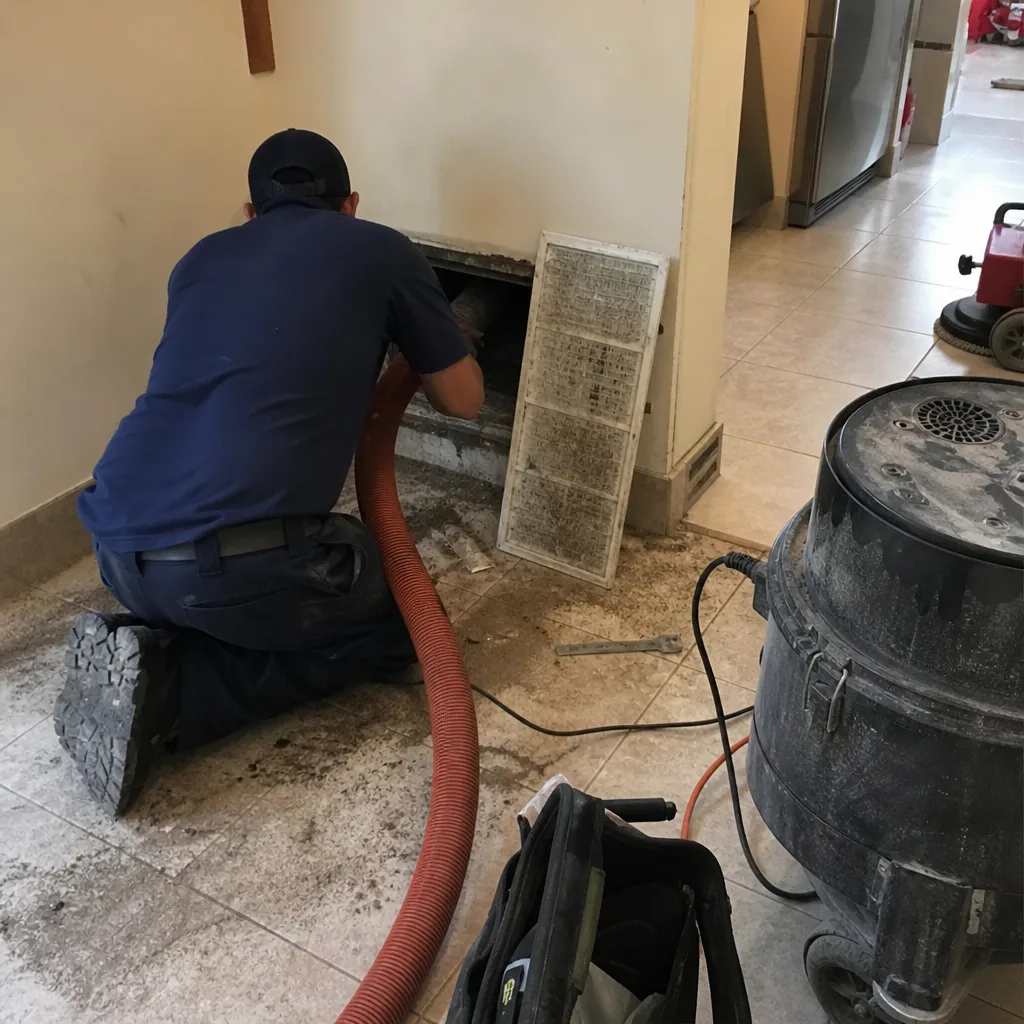 Before
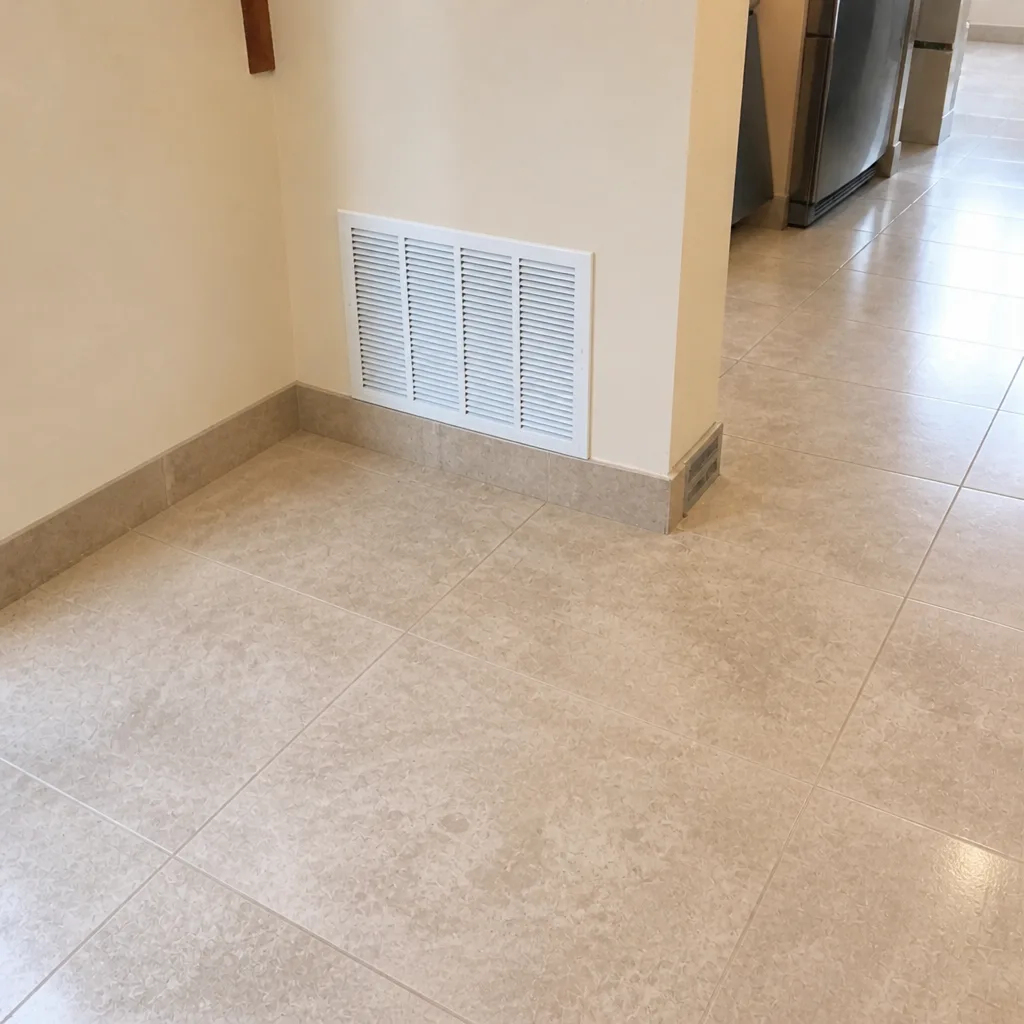 After
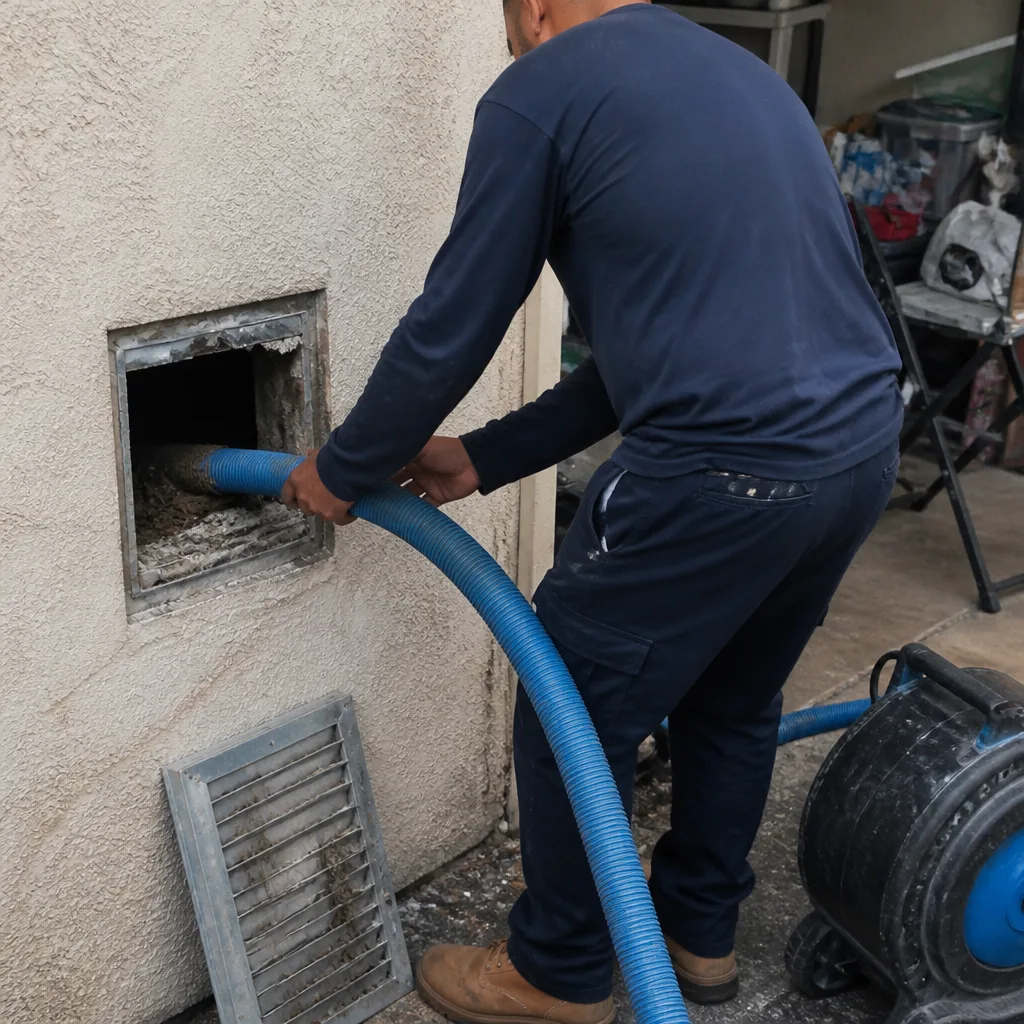 Before
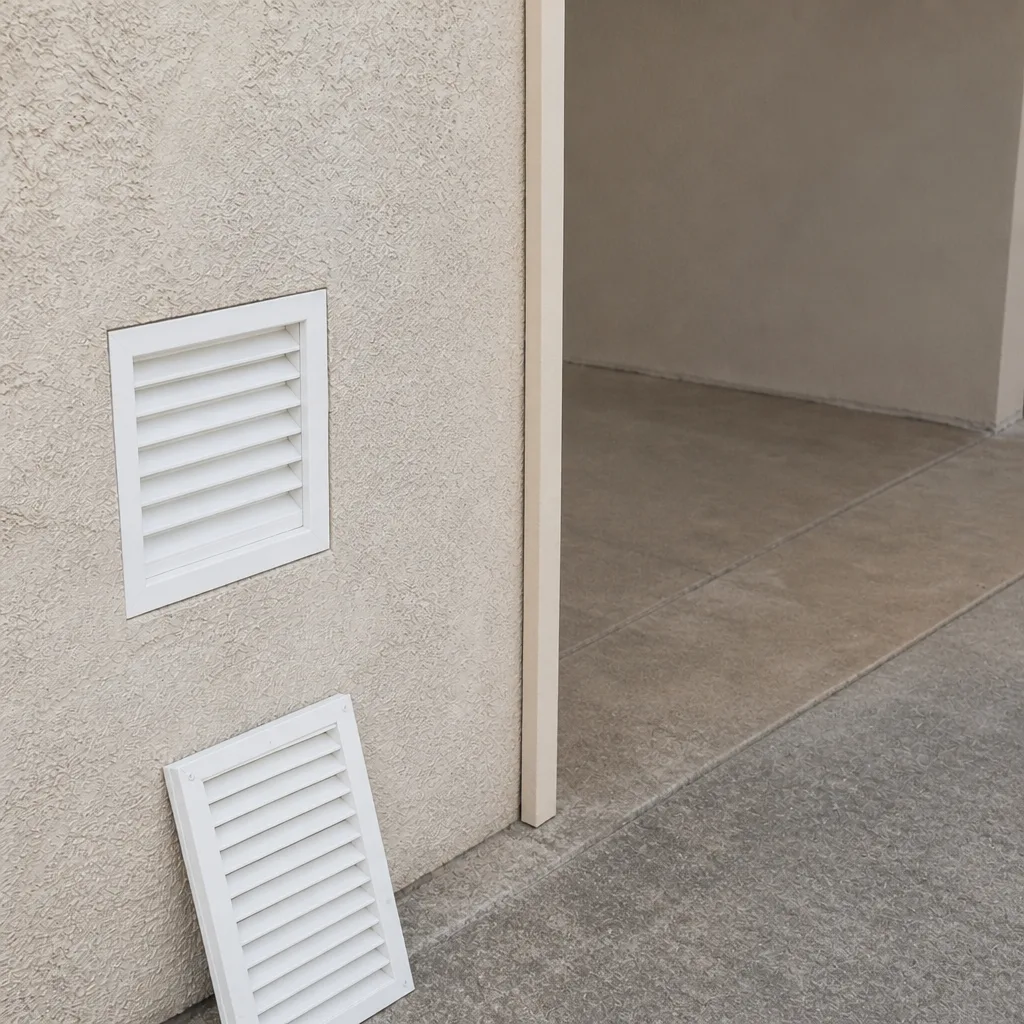 After
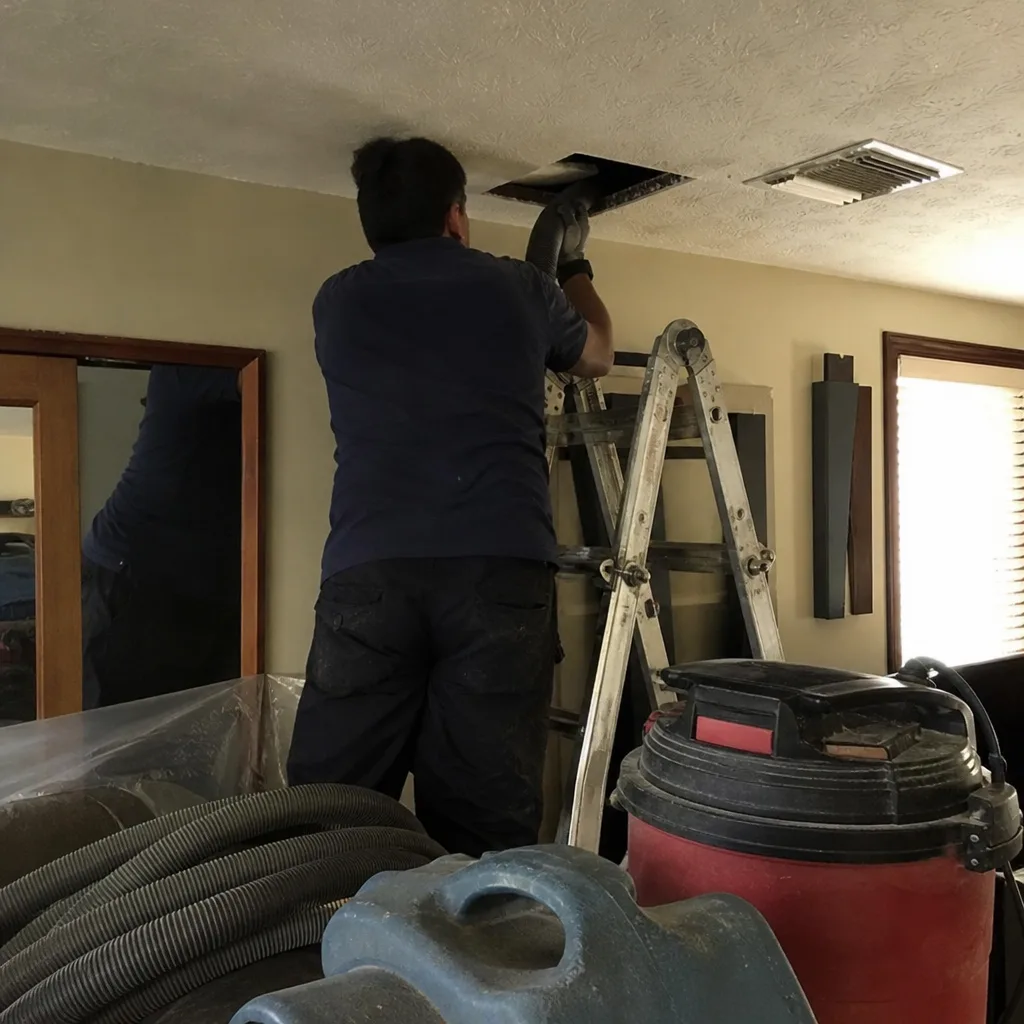 Before
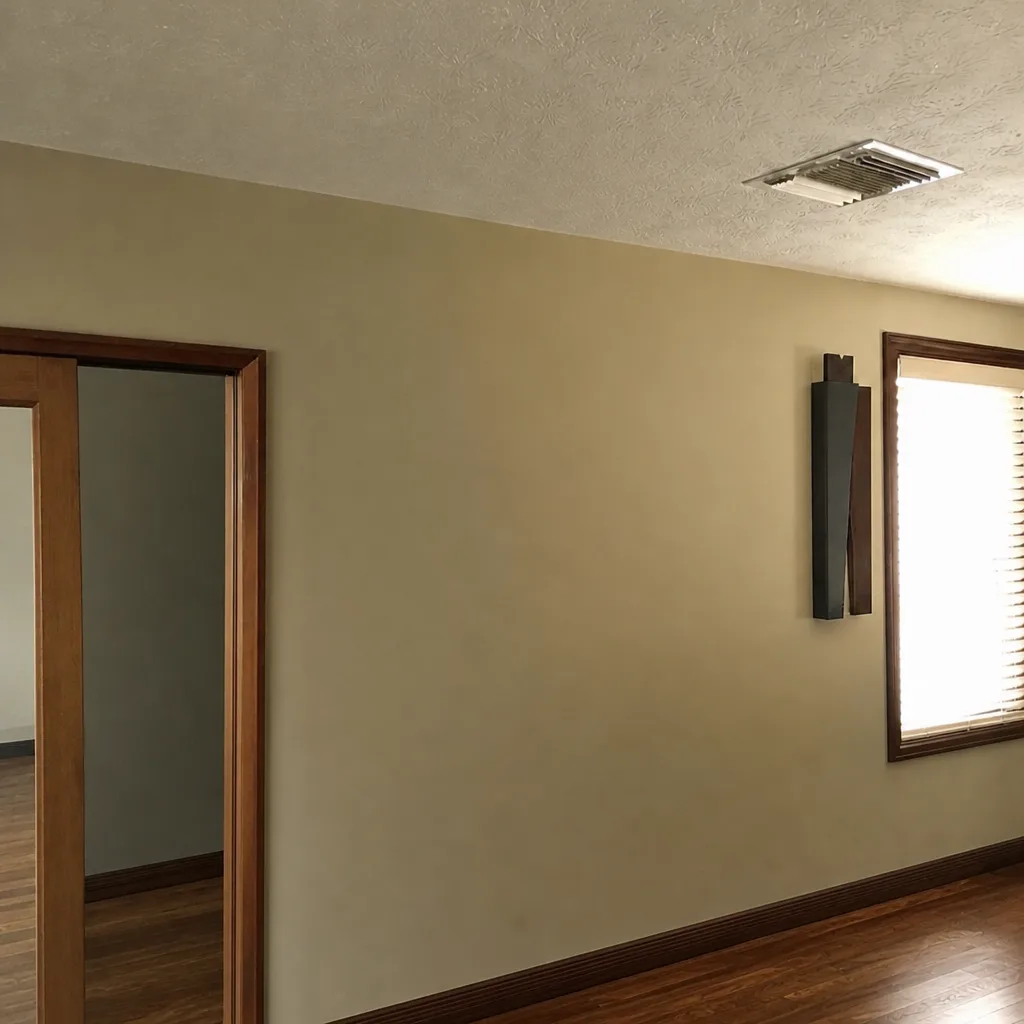 After
When to Call a Professional
Call a professional duct specialist when any of the following is true in your Davie home. The smell from the AC is musty or mildew-like and repeats on humid days. A room that used to cool properly has drifted warm without explanation. The power bill is climbing over multiple seasons. You’ve finished a renovation and the ducts haven’t been cleaned since. Someone in the house has indoor symptoms that worsen after the AC runs. The dryer takes more than one cycle to dry a load. Or the duct system has never been professionally cleaned and the house is more than a few years old. Duct Cleaning Davie offers free estimates in Davie, and we can be reached at (833) 772-2601. We answer 24/7. Fast dispatch from 7am to 7pm, Sunday through Friday. Our technicians have up to 8 years of experience and use professional-grade equipment, not consumer shortcuts.
Frequently Asked Questions
Any two of these signs together usually justify an inspection: a musty smell when the AC runs, visible dust streaking from a register, a room that stays warmer than the rest of the house, a power bill climbing over several seasons, or lingering construction dust after a renovation. One sign alone isn’t proof, but a repeating pattern is worth checking. Call (833) 772-2601 for a free estimate; the inspection takes less than an hour and gives you a straight answer either way.
Not always, but in Davie’s humidity it’s one of the more common explanations. A musty odor that starts right as the air handler kicks on and fades when the system stops points inside the duct system rather than to something in the room. If the odor gets worse on humid days or after the system has been off, that’s additional support for the duct hypothesis. A professional inspection confirms the cause with a camera and airflow reading rather than guesswork. Call (833) 772-2601 to book one.
Most homes do well with a professional cleaning every three to five years, though that’s a general guideline rather than a fixed rule. Homes with pets, recent renovations, allergy-sensitive occupants, or heavy summer AC use (which describes most of Davie) often benefit from cleaning closer to the three-year mark. Homes with no pets, no renovations, and clean filters can stretch to five. A professional inspection tells you which side of that range your house falls on. Call (833) 772-2601 to schedule an assessment.
Reducing duct leaks and blockages lets the air handler run less to deliver the same cooling, which usually shows up as a lower bill over the season. We don’t quote a percentage, because efficiency loss depends on the specific leak location, the duct layout, and how long the system has been running with it. What we can say is that a partially blocked system works harder than it should, and fixing it is normally the first step in getting costs under control. Call for a free estimate and we’ll measure what’s actually happening.
Yes, in most cases. Drywall dust is intensely fine, drifts into every open return, and coats the evaporator coil and blower as well as the duct walls. A remodel that produced significant sanding or drywall work usually means the duct system collected months’ worth of ordinary dust in a week. Filter changes alone won’t catch it all. Call (833) 772-2601 for an estimate and we can evaluate whether a full-system cleaning is warranted.
Ask for before-and-after photographs and airflow readings documented during the visit. The before shots show what was in the system; the after shots show what was removed. If a company can’t or won’t produce documentation, that’s worth treating as a red flag. Our technicians use professional-grade equipment (Rotobrush, Nikro, Abatement Technologies) designed for source removal, and we document the work so you can see exactly what changed. Call (833) 772-2601 to schedule a visit and see how a professional job differs from a coupon-clipper’s.
The Bottom Line
Duct problems speak up early. The musty smell, the warm room, the rising bill, the post-renovation dust, the slow dryer: each is a signal worth acting on before it becomes a service call that’s twice the size. For a Davie homeowner, the climate makes those signals louder than they’d be in a drier part of the country, because humidity feeds the same conditions that make contamination visible. Use this guide as a reference you come back to, and call when two or more signs line up. Our technicians have up to 8 years of experience, we use professional equipment from Rotobrush and Nikro rather than consumer shortcuts, and we handle cleaning and repair as one conversation. Contact Duct Cleaning Davie today, or if you’re nearby, learn more about service across Davie. Call (833) 772-2601 for a free estimate.
Written by the team at Duct Cleaning Davie.