
Last updated November 16, 2026
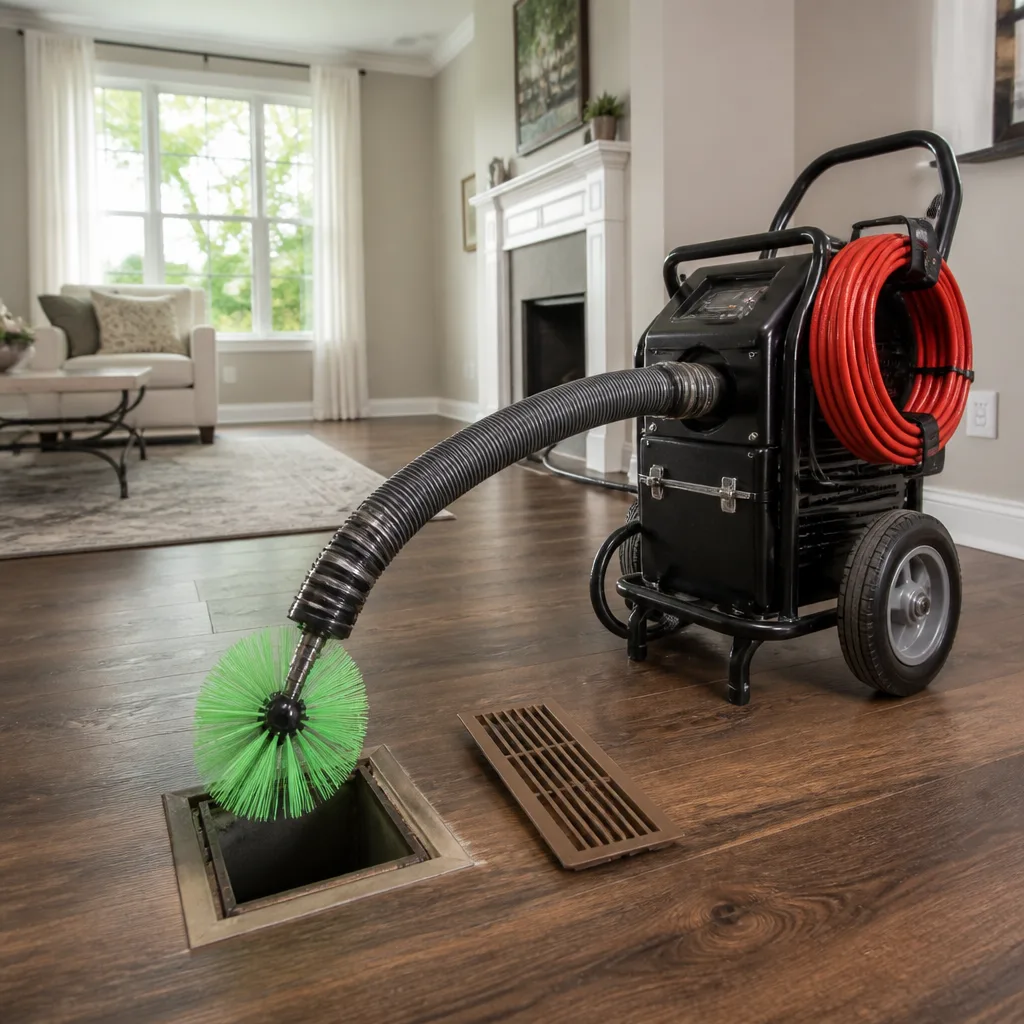 Whole-home duct cleaning
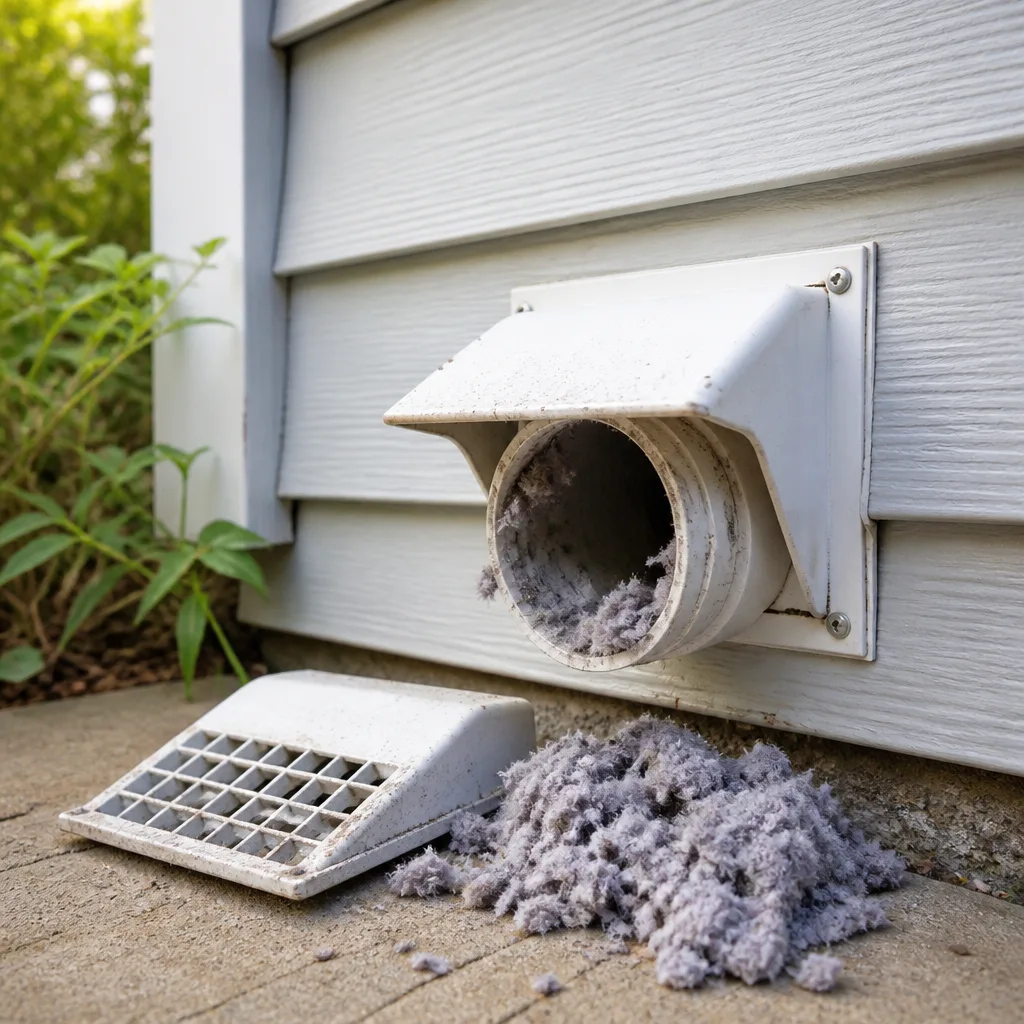 Dryer vent cleaning
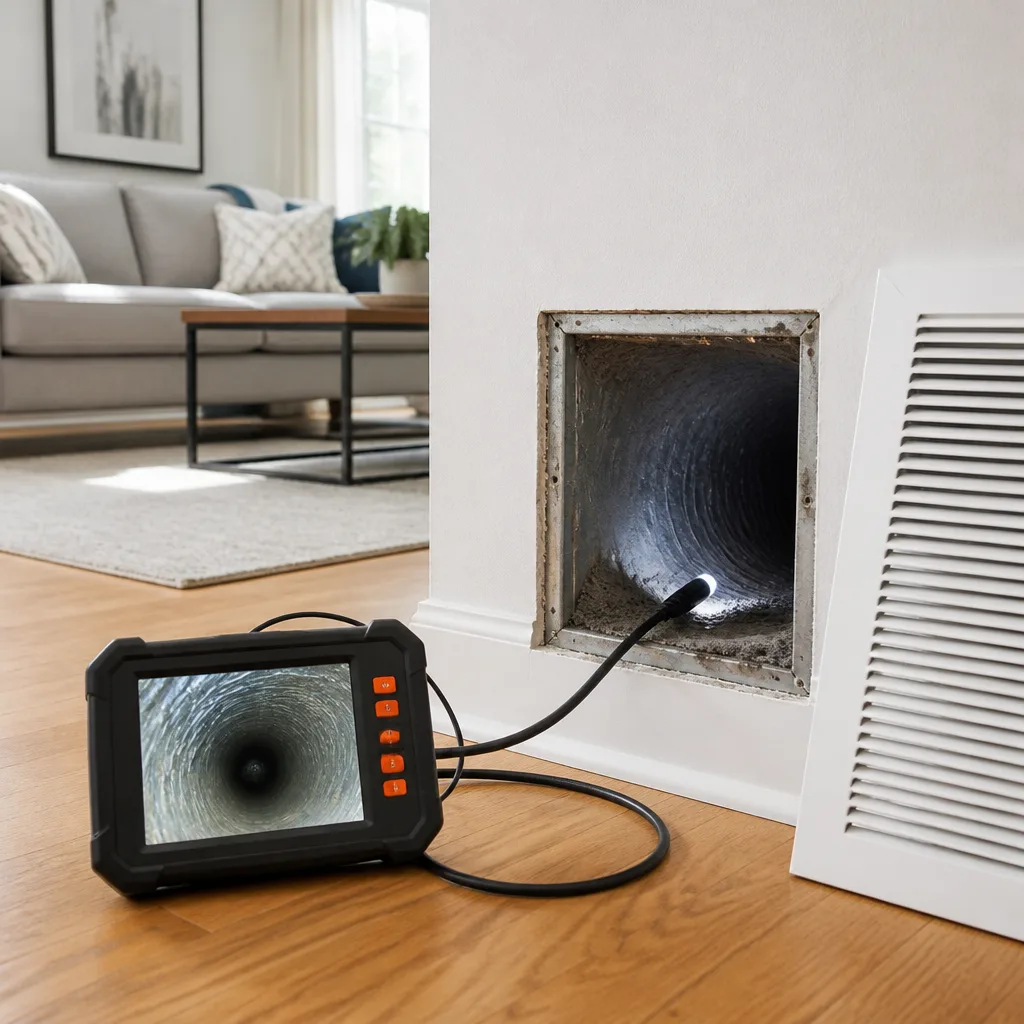 Camera inspection
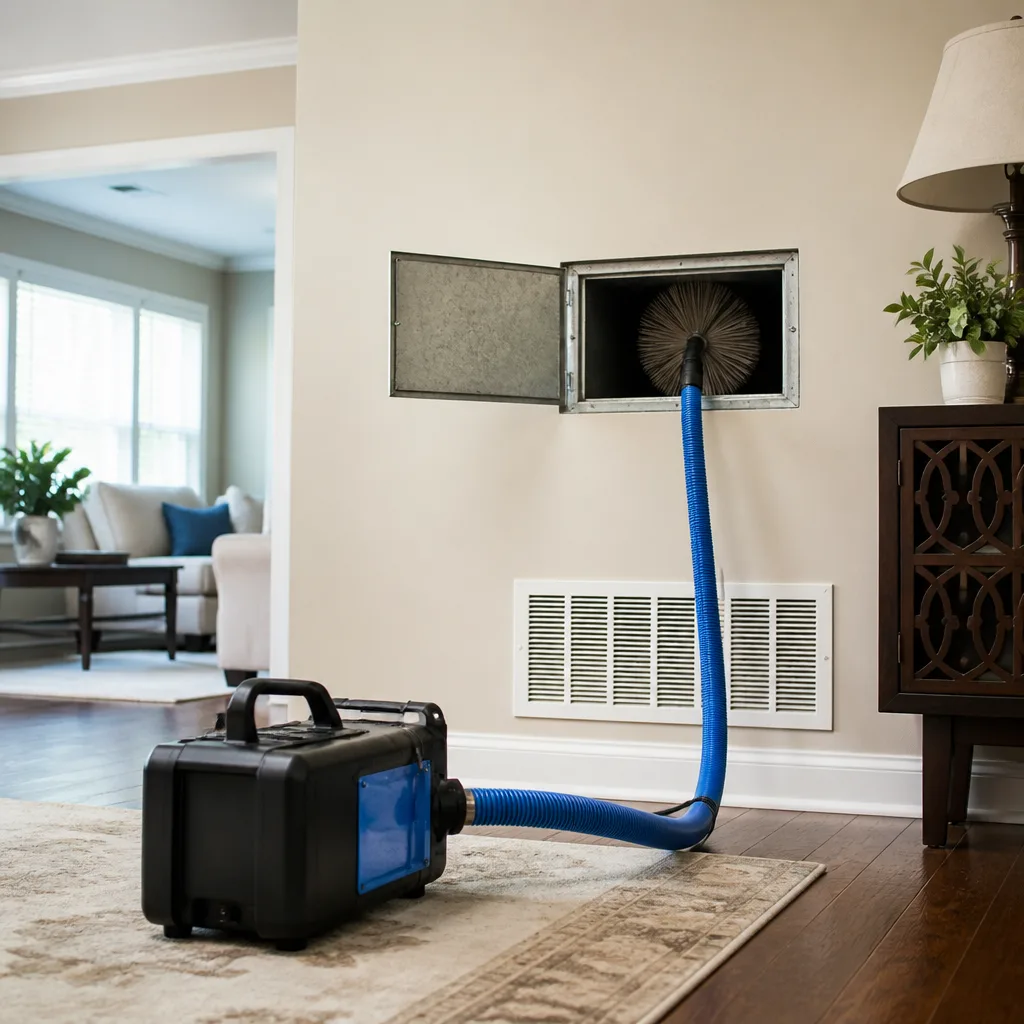 Sanitizing & deodorizing
Whole-system duct and dryer vent check with before-and-after photos - you see exactly what came out of your vents
That "$99 whole-house special" is a bait ad - the real number appears once they are in your hallway, or the "clean" is a shop-vac at the register. We photograph the inside of your ducts before and after instead.
Air Duct Cleaning Troubleshooting in Davie: Common Problems and How to Fix Them
If your AC was just serviced but one room still won’t cool, the fault is almost certainly in your ducts, not your equipment. That’s the part most homeowners get wrong. A technician tops off refrigerant, swaps a filter, tells you the unit is running fine, and the room stays warm anyway. The equipment was never the problem. The duct system was. In this guide we map the symptoms you’re actually noticing (weak airflow, warm rooms, dust that comes back, musty smells, condensation on registers) to the underlying duct failures that cause them, so you can stop paying to treat the wrong thing. We’ll cover how to tell duct leakage from a collapsed flex run from a dirty coil, which checks you can do yourself and which “fixes” make things worse, and why Davie’s humidity turns a small duct problem into a bigger one.
Quick Answer
Weak airflow, uneven cooling, and returning dust in a Davie home usually come from duct problems, not a failing AC unit. The three most common causes are duct leakage at joints and connections, a collapsed or kinked flex duct section, and a dirty evaporator coil that restricts airflow at the source. A proper diagnosis checks all three before anyone recommends replacing equipment. Cleaning and repairs, done with professional-grade equipment, fix the root cause for far less than a new system.
Styles & brands we work with
- Whole-home duct cleaning
- Dryer vent cleaning
- Camera inspection
- Sanitizing & deodorizing
Table of Contents
- Symptom Map: What Your Home Is Telling You
- Duct Leakage vs. Collapsed Flex Duct vs. Dirty Coil
- The Register Airflow Test: Locate the Pressure Loss With No Tools
- Why Musty Smells Come Back Weeks After Cleaning
- Condensation on Registers and Davie’s Humidity Problem
- DIY Checks That Help vs. DIY “Fixes” That Hurt
- When Duct Repair Beats Replacement
- The Dryer Vent Problem Homeowners Overlook
Symptom Map: What Your Home Is Telling You
Every duct problem announces itself before it becomes expensive. The trick is reading the symptom correctly. Most people call an HVAC company because the house “isn’t cooling,” when the more accurate description is “this room isn’t getting air.” Those are different problems with different fixes. Here’s how the symptoms line up with the actual causes.
- One or two rooms never cool, the rest are fine. This is almost always a branch-line problem: a leak, a kink, or a disconnected run feeding that room. The main trunk is doing its job.
- Whole house feels weak, air comes out but barely. Often a dirty evaporator coil, a crushed main trunk, or a filter that’s choked the return.
- Dust settles on surfaces within days of cleaning. Leaky return ducts pulling attic or garage air into the system.
- Musty smell that fades then returns. Moisture entering the duct system somewhere, not a dirty duct that was missed.
- Condensation on registers or duct runs. Insulation failure on the duct, made worse by Davie’s humidity.
- Energy bills climbing without a rate change. The system is running longer to move the same air because the duct system is losing pressure.
Notice that none of these point to the outdoor unit. That’s the point. In our experience, homeowners in Davie spend money on equipment service when the equipment is fine and the duct system is quietly failing. Reading the symptom correctly is the first step. Knowing which of the air duct cleaning and repair options applies to that symptom is the second. A focused duct specialist starts by diagnosing, not by quoting a cleaning.
Duct Leakage vs. Collapsed Flex Duct vs. Dirty Coil
These three problems produce very similar symptoms, and each has a completely different fix. Getting the diagnosis right saves you from paying for the wrong solution. Here’s how they differ.
Duct Leakage
A leak lets conditioned air escape before it reaches the room. Attic ducts in South Florida homes are a common location because that’s where the heat and the flex connections are. Symptoms include weak airflow at one or more registers, rooms that never quite reach the thermostat setting, and a dusty house if the leak is on the return side pulling unfiltered air. The fix is sealing and repairing the affected joints and connections, then verifying airflow at the registers.
Collapsed Flex Duct
Flex duct is a common material in Florida homes, and it can crush, kink, or sag when it’s run through tight attic spaces or stepped on during other work. A collapsed section chokes airflow to that branch the way a kinked garden hose stops water. The symptom is dramatic and localized: one register with almost no air while others are strong. The fix is replacing the collapsed section, not cleaning it. No amount of cleaning restores a duct that’s physically crushed.
Dirty Evaporator Coil
The coil sits in the air handler and is where the cooling actually happens. When it’s coated with dust, the air moving across it can’t transfer heat efficiently, and airflow drops system-wide. Symptoms are a whole-house weakness, air that comes out cool but not cold, and a unit that runs constantly. The coil isn’t part of the duct system, but a dirty duct system is a leading reason coils get dirty in the first place. This is why duct cleaning in Davie is often the preventive fix rather than the repair itself.
Our approach is to identify which of these three is causing the symptom before any work begins, because cleaning a duct system with a collapsed run won’t solve the airflow problem, and sealing leaks won’t fix a dirty coil. Same team, same visit: we diagnose, clean, and repair if needed, so you’re not handed off to a second contractor for the repair portion.
The Register Airflow Test: Locate the Pressure Loss With No Tools
You can find the general location of an airflow problem yourself, with no tools and no guessing. It’s called register comparison, and it works because duct pressure is measurable by feel. Here’s the process.
- Turn the system on and let it run for at least ten minutes. You want steady-state airflow, not the initial surge.
- Go to each supply register one at a time. Hold your hand a few inches from the grille. You’re not measuring precisely, just comparing strong, medium, and weak.
- Note which registers are strong and which are weak. Write it down. The pattern matters more than any single reading.
- Check for a pattern. If one room is weak and the rest are strong, the problem is on that branch line. If every register is weak, the problem is upstream: main trunk, air handler, or coil.
- Check the return registers the same way. A weak return starves the whole system. If returns feel weak, the filter or a crushed return duct is a likely cause.
- Look for a fully dead register. No air at all at one register usually means a disconnected, collapsed, or blocked run.
This test tells a technician where to look before they climb into the attic. A weak single register points to a branch. Weak everywhere points upstream. Strong everywhere but warm air points to the coil or the refrigerant, not the ducts. We use this same logic, then verify it with the gauge and airflow readings we take during service. If you’ve run the comparison and the pattern points to one weak branch or a whole-house weakness, that’s the information to give the technician when you call. It turns a vague “something’s wrong” into a specific starting point.
Why Musty Smells Come Back Weeks After Cleaning
If a musty smell returns a few weeks after a cleaning, the cleaning didn’t fail. The moisture source that created the smell was never addressed. Cleaning removes the biological growth that’s already there; it doesn’t stop the moisture feeding it. Until the entry point is sealed, the growth comes back. This is the single most misunderstood part of duct maintenance, and it’s worth explaining properly.
In Davie’s climate, air carries a lot of moisture. When that air enters a duct system that has a break in it, or when a duct passes through a hot attic and loses its insulation, condensation forms inside the duct. Damp duct interiors are the ideal environment for the musty smell to return. The two most common moisture entry points we find:
- A disconnected joint or seam. A gap where two duct sections meet lets humid attic air into the system. The cleaning removes the growth at that spot, but the gap is still there, so the smell returns to the same place.
- A negative pressure zone. Part of the house pulls air the wrong way, drawing humid outside air or crawlspace air into the return side. Cleaning the ducts doesn’t change the pressure balance, so the moisture keeps coming in.
What actually solves it is finding and sealing the entry point first, then cleaning, then confirming the system is dry. If a company cleans and leaves without locating the source, the return of the smell is predictable. It’s also why we pair cleaning with repair: the team that finds the gap can close it in the same appointment, using professional equipment to verify the system is sealed and dry before we leave. If you’ve had a cleaning recently and the smell is already back, that’s a moisture-issue call, not a repeat-cleaning call.
Condensation on Registers and Davie’s Humidity Problem
Condensation on a register is not just a cosmetic annoyance; it’s a signal. Water beading on the metal grille means the duct surface is colder than the dew point of the air around it, and that almost always points to insulation failure on the duct. In Davie, where the ambient humidity is high for most of the year, that dew point is easy to reach, so a duct that would be fine in a dry climate sweats freely here.
Here’s what’s happening. The air inside a supply duct is around 55°F after the coil. If the duct insulation is torn, compressed, or missing over a section, the metal surface of the duct drops toward that temperature. The humid attic or wall-cavity air touching it condenses. The water then runs down the duct, drips onto the register, and can soak into drywall, framing, or the ceiling below. Over time, that’s a structural problem, not just a stain.
What to check:
- Which registers sweat. A single sweating register usually means a localized insulation failure on that branch. Multiple sweating registers point to a system-wide insulation or balance problem.
- The duct surface just behind the register. If the flex duct’s outer jacket is torn or separated, insulation is exposed, and that’s the likely source of condensation.
- The attic runs in summer. Duct runs through a hot attic lose insulation effectiveness faster than runs inside conditioned space.
- Water stains on ceiling or drywall near a register. This moves from “watch it” to “call someone.” Continued condensation can damage structure.
Fixing condensation means restoring the insulation and sealing the duct so humid air can’t reach the cold surface. That’s a repair, not a cleaning. It’s also the kind of problem that rewards a specialist who works on duct systems every day rather than a generalist who treats it as a minor annoyance. If you’re seeing water on registers during the humid months, treat it as a duct-system diagnosis, not a cleaning upsell.
DIY Checks That Help vs. DIY “Fixes” That Hurt
Some homeowner checks are genuinely useful. Others are the reason a small problem becomes an expensive one. Knowing which is which is worth ten minutes of your time.
Legitimate DIY checks
- Check the filter. A clogged filter starves the system and mimics a duct problem. Replace it on schedule, note the condition, and don’t run the system with a missing filter.
- Look at visible registers for blockages. Furniture, rugs, or a closed damper can make a room feel like it has a duct problem. Open the damper, clear the grille, and recheck airflow.
- Run the register comparison test above. It’s free, safe, and gives you useful information to share with a technician.
- Check for visible condensation or water stains. Note location and when it appears. That’s diagnostic information, not a repair.
- Listen at the air handler. A rattle or a whistling sound is worth reporting. It may indicate a loose connection or a partially blocked return.
DIY “fixes” that make things worse
- Sealing flex duct with standard duct tape. This is the big one. Standard cloth duct tape dries out, loses adhesion, and peels off within a season in a Florida attic, leaving a sticky residue that makes a proper seal harder. Duct sealing requires a mastic or a foil-backed tape rated for the application, applied to a clean surface. A taped joint that fails is worse than a joint that was never touched.
- Spraying cleaners or disinfectants into registers. This can damage the duct lining, void the system, and doesn’t address the moisture source.
- Poking into the duct to “see inside.” Flex duct is easy to tear and easy to disconnect. A poke can create the very leak you were trying to find.
- Cranking the thermostat lower to force airflow. It doesn’t increase airflow. It runs the system longer and colder, which can create more condensation on an already compromised duct.
- Opening the air handler cabinet to inspect the coil. The coil and the electrical components around it aren’t a homeowner area. Leave the cabinet closed and have a technician check the coil.
If you’ve already tried one of the “fixes” above and the problem got worse, that’s not a reason to panic. It’s a reason to have a technician look at the specific spot you touched. In our experience, the most common DIY mistake in Davie attics is duct tape on flex joints, and it’s fixable once it’s identified.
When Duct Repair Beats Replacement
Most airflow complaints we’re called about are repairable. The question isn’t “do I need a new system,” it’s “which section of the duct system is failing, and can it be fixed?” Repair beats replacement when the failure is localized: a collapsed branch, a disconnected joint, a torn section of insulation, a crushed run. These are the cases where a specialist team can clean, repair, and seal the system in a single appointment. Replacement territory is different: a duct system that’s near the end of its service life, or one where multiple major sections are failing at once, or where the layout itself is causing the airflow problems.
Three factors point toward repair:
- The symptom is localized. One weak room, one sweating register, one musty spot. The rest of the system is working. That’s a repair.
- The failure is physical, not systemic. A crushed run or a torn jacket is a physical defect. Sealing and replacing that section restores performance.
- The equipment is healthy. If the AC unit is running correctly and the coil is clean, the duct system is the variable. Repairing it is less expensive than replacing equipment that doesn’t need replacing.
What separates a repair from a replacement job is diagnosis, and diagnosis needs the right equipment. We use Rotobrush and Nikro systems for cleaning and inspection, and Abatement Technologies air filtration equipment to capture dislodged contaminants before they re-enter your living spaces. That’s the professional-grade side of the work: the same equipment brands trusted in commercial and industrial duct cleaning, not a consumer shop vac on a hose. It’s also why we can clean and repair in the same visit. When the team that finds the damage is the same team that fixes it, you’re not paying a second contractor to climb into the same attic.
The Dryer Vent Problem Homeowners Overlook
The dryer vent is a duct system too, and it’s the one most likely to cause a real safety problem. Lint builds up in the vent line, restricts airflow, and creates a fire risk. It’s not an airflow comfort issue; it’s a fire-safety issue, and it deserves its own appointment rather than being tacked onto a duct cleaning as an upsell. We treat it as a discrete service for exactly that reason.
Signs your dryer vent needs attention:
- Clothes take longer than one cycle to dry.
- The dryer feels hot to the touch on the outside.
- The exterior vent flap doesn’t open fully or doesn’t open at all.
- Lint is visible around the vent connection behind the dryer.
- There’s a burning or musty smell when the dryer runs.
In Davie, the same humidity that stresses the AC ducts also stresses the dryer vent. The flexible foil or vinyl vent material common in many homes can sag or kink, trapping lint at the low point. That’s why a proper dryer vent cleaning is a safety service measured on its own, not a line item on a duct cleaning invoice. If the dryer has been slow for a while, don’t wait for the smell to start. The check is quick and the risk is real.
Common Mistakes to Avoid
- Replacing the AC unit before diagnosing the ducts. If the equipment is fine, a new unit won’t fix a duct leak or a collapsed run. Diagnose the duct system first.
- Cleaning the ducts when the real problem is moisture. A cleaning that doesn’t address the moisture source will leave you calling again in a few weeks. Find the entry point first.
- Using standard duct tape on flex joints. In a Davie attic, ordinary duct tape peels off within a season. Duct sealing needs mastic or a foil-backed tape approved for the job, applied to a clean surface.
- Treating condensation on registers as a minor annoyance. In this climate, sweat on a register is a structural warning. Insulation failure on a duct run can damage drywall and framing if it’s ignored.
- Hiring a generalist when the problem is duct-specific. A crew that rotates through dozens of unrelated jobs doesn’t see duct-system patterns the way a specialist does. The diagnosis is the service.
- Ignoring the dryer vent until it smells. Lint buildup is a fire risk before it’s a visible problem. Treat the vent as a safety check, not an add-on.
- Trusting a coupon price without a written scope. A low teaser price that balloons once the technician is on site is this trade’s oldest problem. Ask for the scope in writing before anyone starts.
See the difference
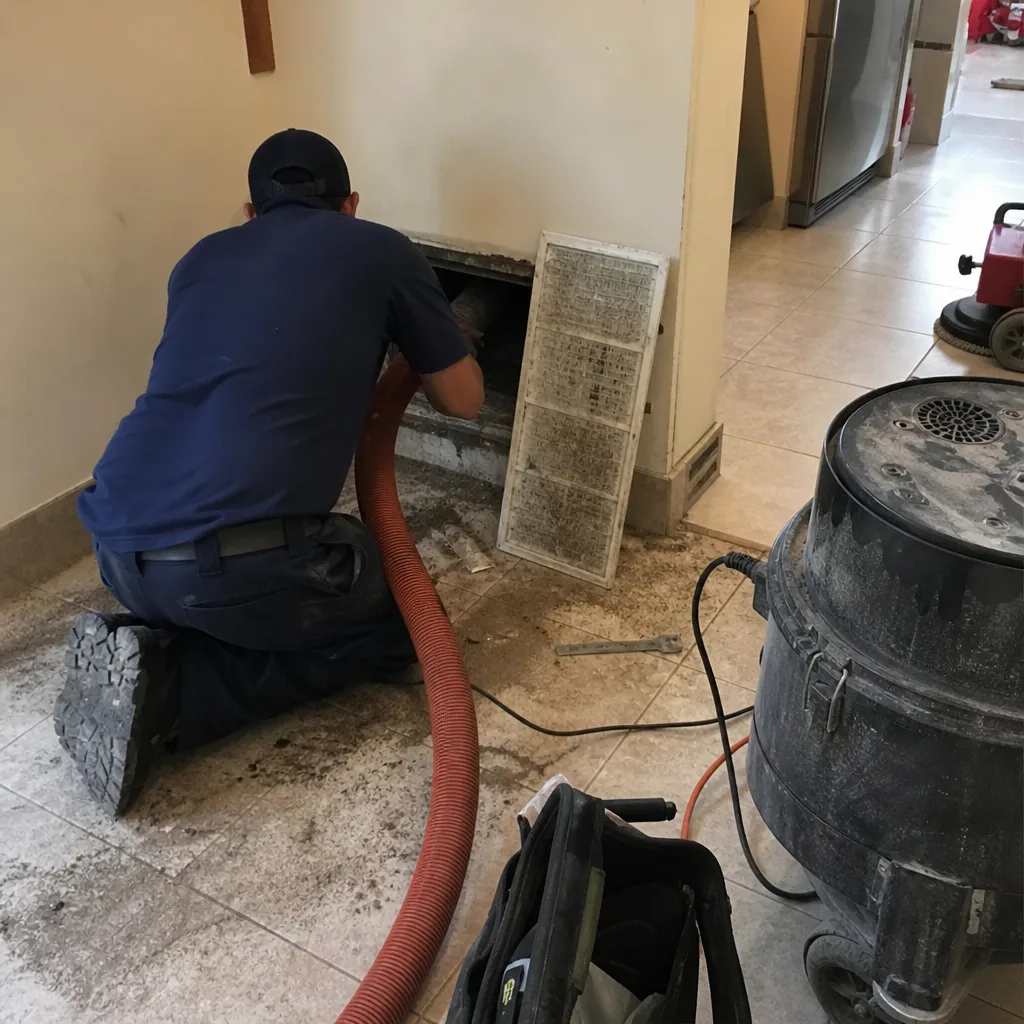 Before
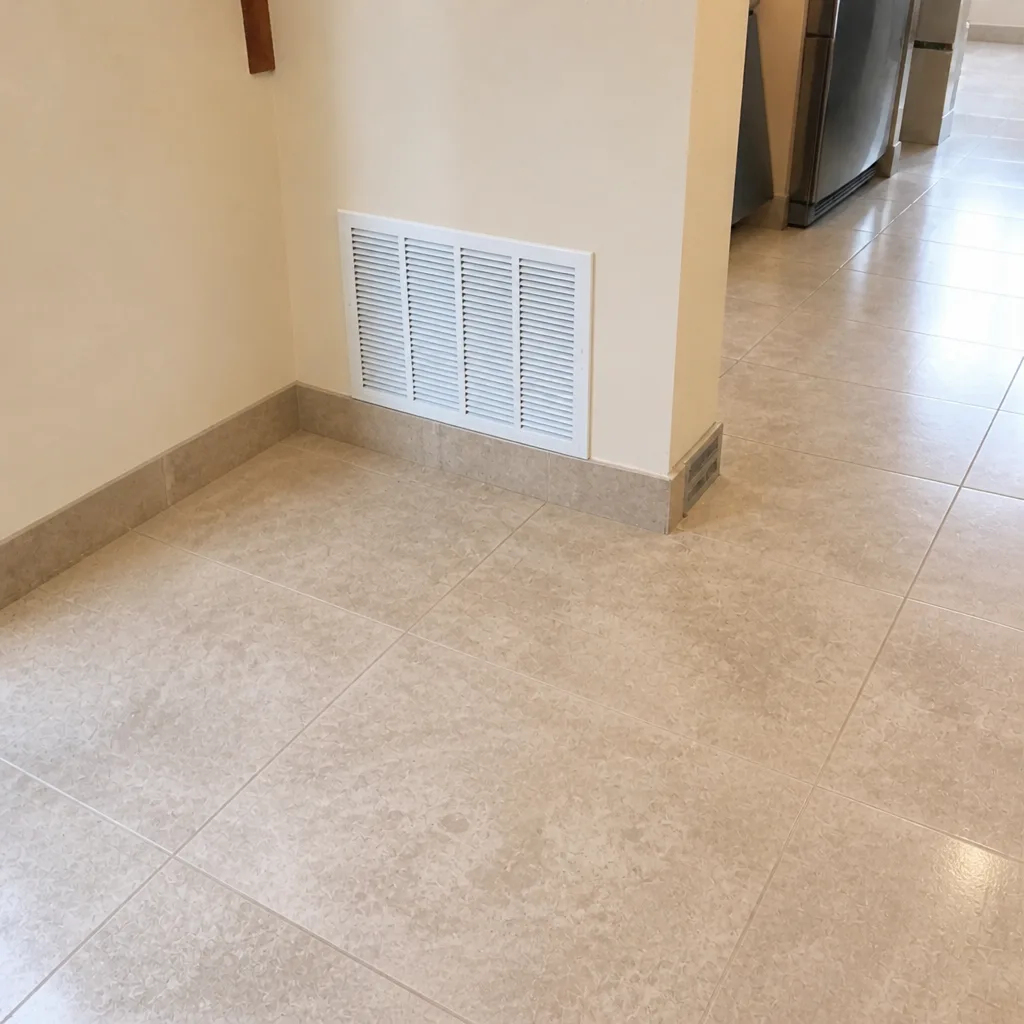 After
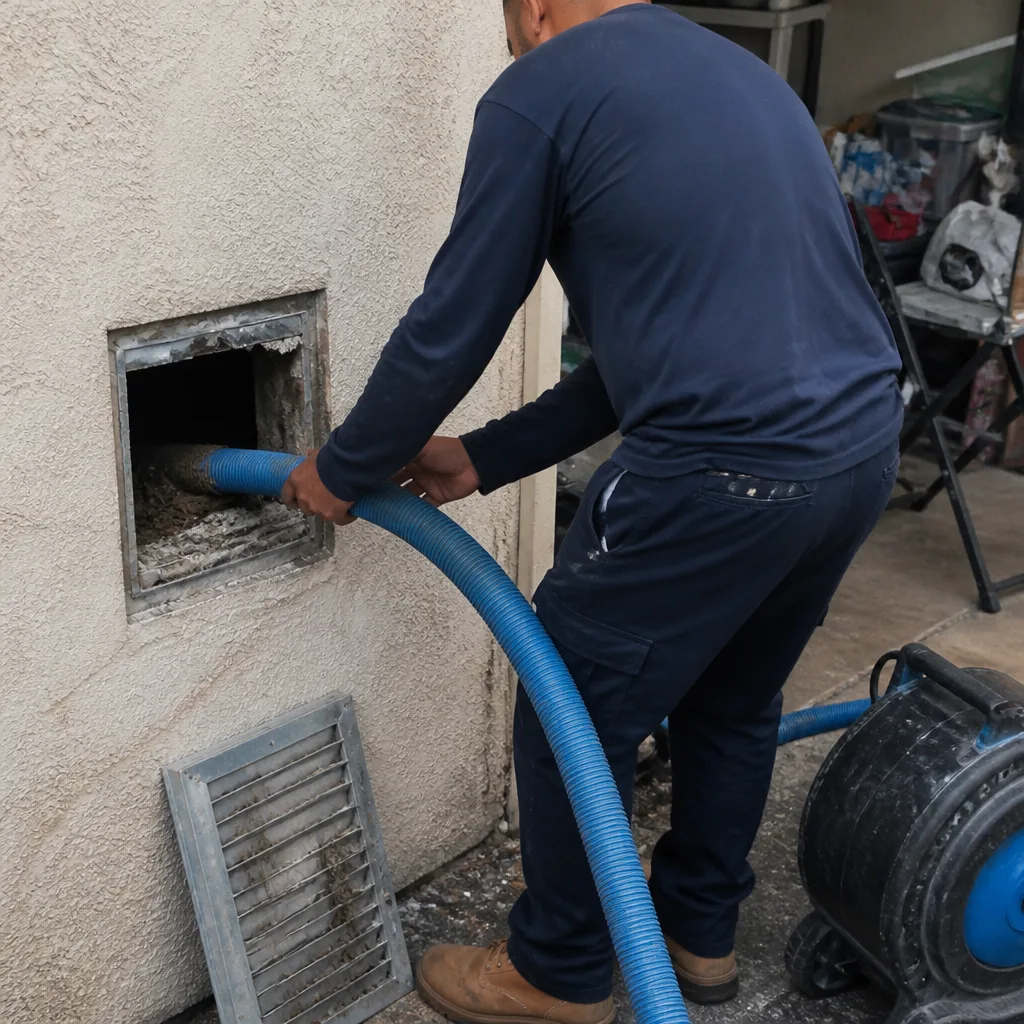 Before
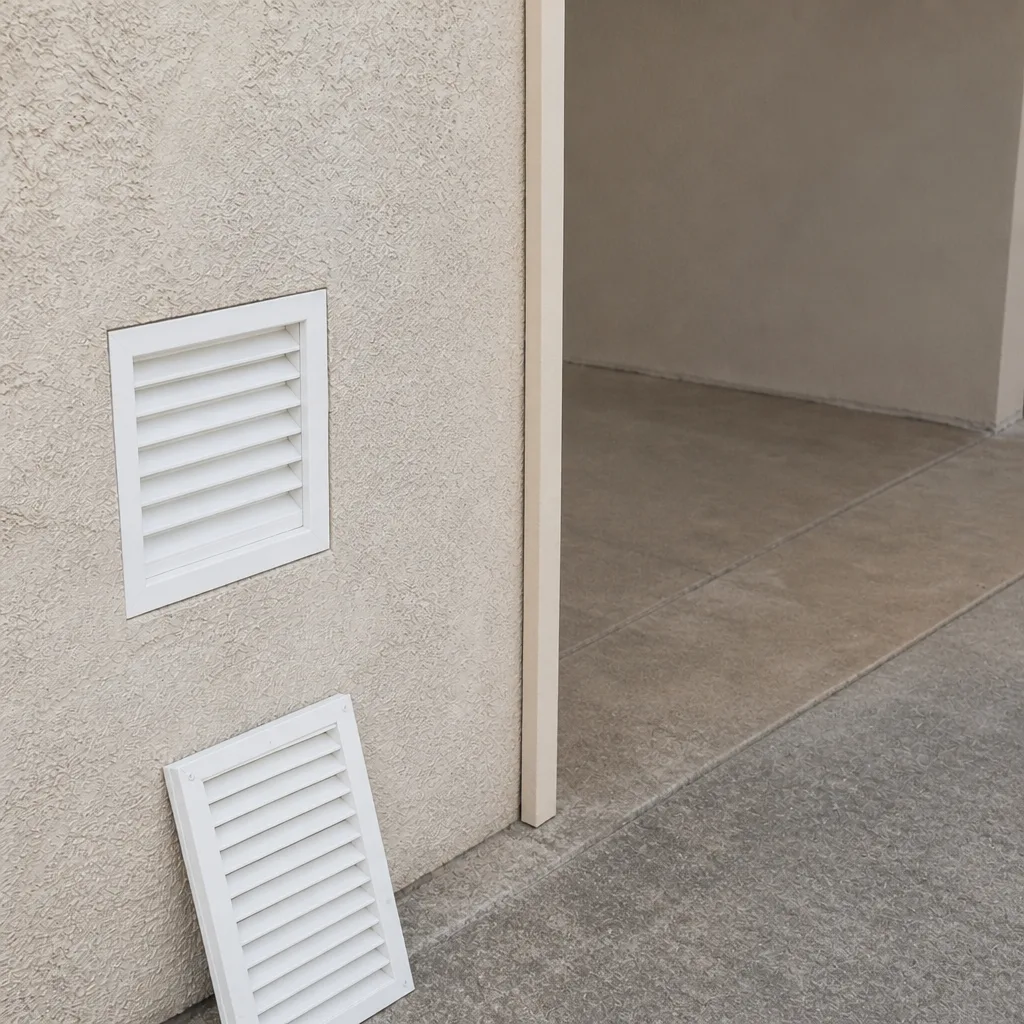 After
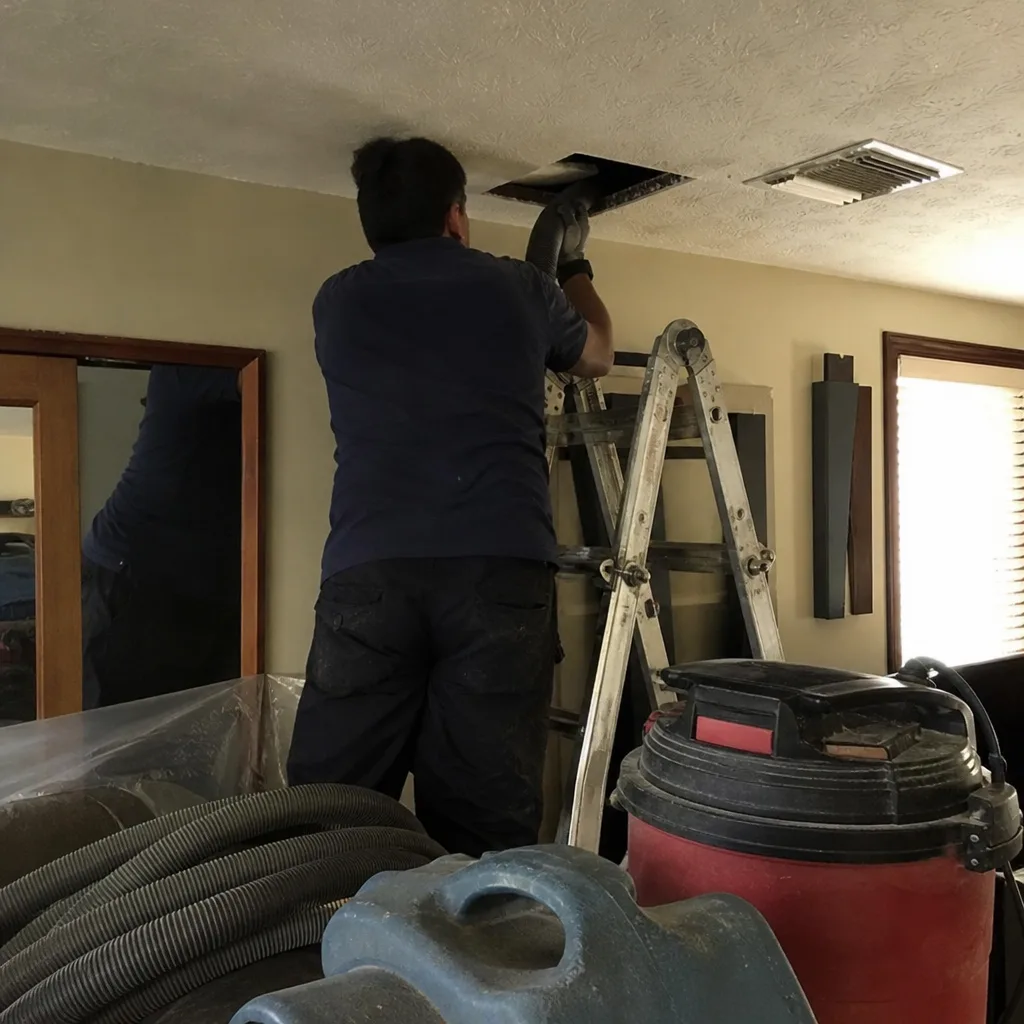 Before
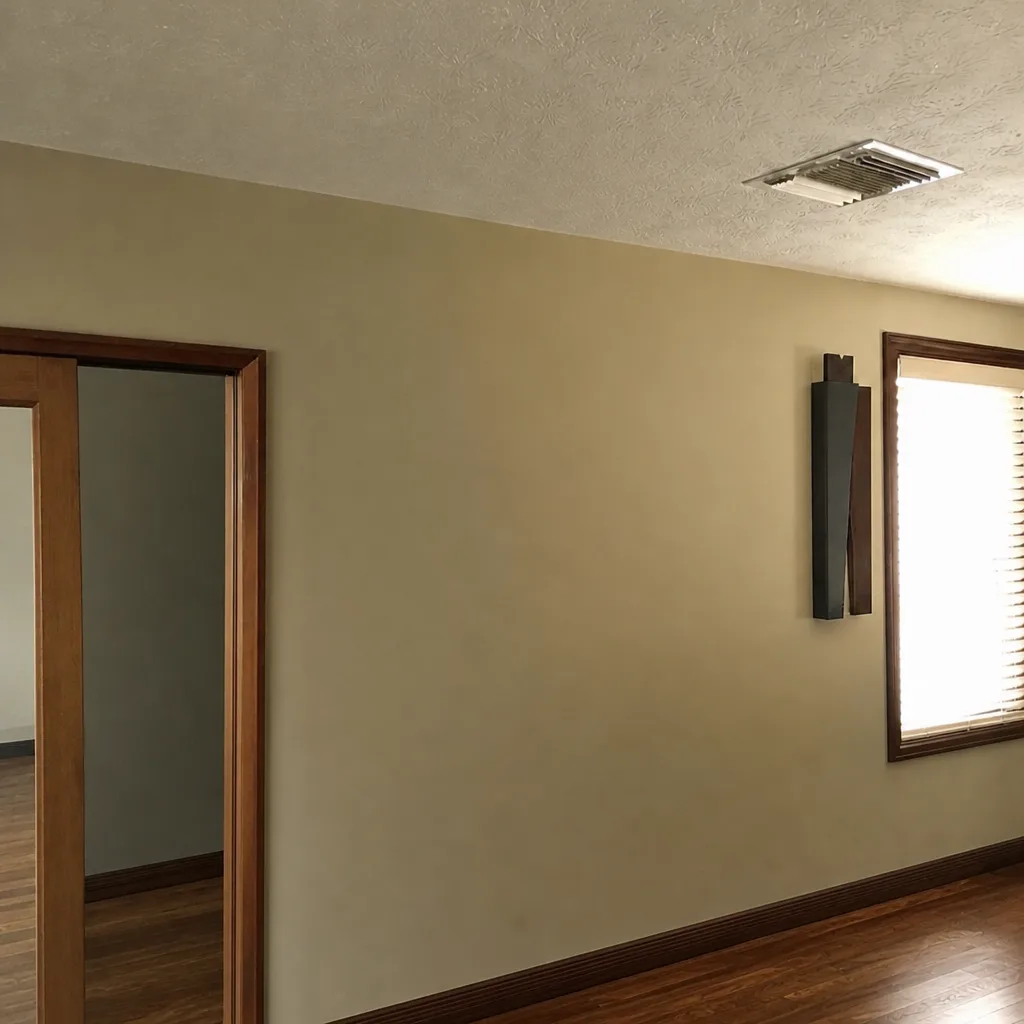 After
When to Call a Professional
Call a professional when you’ve done the register comparison and found a pattern you can’t explain, when a musty smell returns within weeks of a cleaning, when a register sweats during the humid months, when one room won’t cool after the AC has been serviced, or when you can see physical damage to a duct run. Also call if the dryer vent is slow and you can’t find an obvious kink. The check is quick, the diagnosis is what matters, and the cost of guessing is usually higher than the cost of a proper diagnosis in the first place. We offer free estimates in Davie. Call (833) 772-2601. We answer 24/7. Fast dispatch from 7am to 7pm, Sunday through Friday. Every job is quoted as one flat price per system, agreed before work starts, so you know the scope before anyone climbs into the attic.
Frequently Asked Questions
If one or two rooms are weak while the rest are fine, or if the house feels weak overall but the air coming out is cold, the ducts are the likely cause. If the air is barely cool everywhere and the unit runs constantly, the coil or the equipment is more likely. The register comparison test above tells you which pattern you have. Call (833) 772-2601 for an exact quote – estimates are free.
A very low quote usually means a smaller scope: fewer vents, less equipment, no repair capability, or a coupon that turns into a larger invoice once the technician is on site. Ask what’s included in writing, and specifically whether repair is part of the job or a separate contractor’s problem. We quote one flat price per system before work starts, using professional equipment rather than a shop vac.
Ask to see before-and-after photos of your own ducts, and ask for the scope in writing. A credible duct specialist documents the condition, cleans with professional-grade equipment, and can show you the difference. We supply before-and-after photos of your system as part of the service, and we keep the same team on cleaning and repair so there’s no gap between the two.
Most Davie homes don’t need annual cleaning. It’s driven by the specific conditions in the home: pets, recent renovation, visible dust returning quickly, moisture problems, or a smell that won’t go. If none of those apply, the system usually runs years between cleanings. If the smell returns within weeks, the issue is moisture, not frequency, and cleaning again won’t fix it. Call (833) 772-2601 to talk through what you’re seeing.
Condensation on a register means the duct surface is colder than the dew point of the surrounding air, usually because insulation has failed on that section of duct. In Davie’s humidity, this is common and it’s a structural warning, not a cosmetic one. It’s a repair, not a cleaning. Call (833) 772-2601 and describe which registers sweat.
Yes. That’s the advantage of working with a duct specialist rather than a cleaner who has to hand off repair work. The same team cleans, finds the damage, and fixes it in the same appointment. We also install Honeywell and Aprilaire products if you want to address filtration or humidity in the same visit. Call (833) 772-2601 for a free estimate. We answer 24/7, and fast dispatch runs from 7am to 7pm, Sunday through Friday.
The Bottom Line
If your house isn’t cooling the way it should, start with the ducts. The register comparison test tells you whether the problem is localized to one branch or up the whole system. Leaks, collapsed flex runs, dirty coils, moisture entry, and failed insulation each produce distinct patterns, and each has a specific fix. Most of the “fixes” homeowners try, especially standard duct tape on flex joints, do more harm than good. The right move is a proper diagnosis by a specialist who works on duct systems every day, so you don’t replace equipment that’s working fine. If the pattern points to a duct problem, Davie homeowners can call (833) 772-2601 for a free estimate with one flat price per system agreed before work starts. We answer 24/7. Fast dispatch from 7am to 7pm, Sunday through Friday.
Written by the team at Duct Cleaning Davie.